
Britain’s Urban Battlegrounds: The Perpetual Tensions Behind Public Order Arrests
POLICY WIRE — London, UK — The British pavement, it seems, remains a favored stage for a rather predictable — but no less unsettling — drama. It’s where ideological fault lines don’t just appear;...

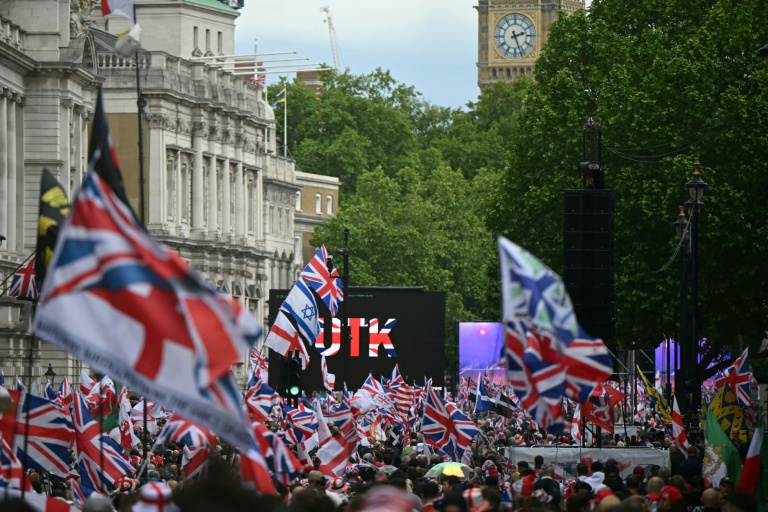
POLICY WIRE — London, UK — The British pavement, it seems, remains a favored stage for a rather predictable — but no less unsettling — drama. It’s where ideological fault lines don’t just appear; they clash, often physically, under the wary gaze of a public order contingent far too familiar with the routine. Recently, metropolitan authorities tallied up the usual figures after another weekend’s installment: a series of arrests following both a far-right assembly and its inevitable, spirited counter-demonstration.
It wasn’t merely a count of apprehended individuals; it was a snapshot of a nation consistently grappling with what it means to coexist. The details, sparse as they’re from official channels until further legal proceedings unfold, speak to underlying frictions. Reports indicate disruptions to public services, minor scuffles, and the occasional thrown object—all symptoms, really, of a deeper malaise that’s got its claws into the UK’s social fabric.
Because let’s be frank, these weren’t isolated incidents. They’re part of a pattern, a recurring tableau where flags are waved, slogans are chanted, and opposing viewpoints collide, frequently culminating in police intervention. This time, dozens of individuals were taken into custody. For various public order offenses, mind you. Assault, possession of weapons, resisting arrest—you know the drill. It’s become a grim sort of public theatre.
And you’ve got to wonder about the message this sends, both internally — and abroad. It’s hardly the picture of tranquil multiculturalism that policymakers often project. But it’s also a stark reminder of free speech’s messy edges. Metropolitan Police Chief Superintendent, Sarah Atherton, didn’t pull punches. “Our primary duty is public safety,” she stated, a hint of weary determination in her tone. “We will always facilitate peaceful protest, but that right doesn’t extend to violence or criminal damage. When lines are crossed, we act. It’s that simple.” Not really, though, is it?
Then there’s the broader political class. Conservative MP for Kensington, Dr. Hamza Malik, offered his own, less tactical perspective. “We see this repeated cycle of grievance — and confrontation,” he observed, sighing slightly over the phone. “It’s damaging. It doesn’t solve a single problem for anyone, least of all the communities, many with strong roots in places like Pakistan and Bangladesh, who find themselves caught in the middle of these ugly narratives. We’ve got to build bridges, not continually construct barricades on our high streets.” His frustration, it felt, was authentic. Many within the South Asian diaspora in Britain, often the direct or indirect targets of far-right rhetoric, see these street clashes as profoundly unsettling, forcing them to consider what true belonging means in a society often defined by noisy divisions.
These confrontations, however minor they appear individually, pile up. They chip away at civic trust. They harden positions. And they make it exceptionally tough for anyone actually trying to find common ground. Consider the economic strain alone; according to data compiled by the Home Office in 2022, policing large-scale public demonstrations and events cost UK taxpayers an estimated £120 million annually. That’s a chunk of change for what often amounts to containing discontent rather than resolving it.
📄 POLICY WIRE WHITEPAPER PUBLISHED: PAKISTAN'S NATIONAL SECURITY POLICY PRIORITIES
👉 READ BY CLICKING HEREWhat This Means
This recurring street-level antagonism isn’t just noise; it’s a symptom of deeper political — and economic currents. On one hand, it reflects a global surge in identity politics, a rejection of perceived liberal consensus that’s seeing its adherents organize with growing audacity. Politically, the government faces a quandary: uphold the sanctity of free expression while simultaneously condemning hate speech and maintaining public order. It’s a tightrope walk they’ve performed many times, but the rope feels increasingly frayed.
The economic implications, beyond the policing costs, are insidious. Constant public strife damages a city’s reputation, potentially deterring investment and tourism, particularly for businesses in directly affected areas. It also contributes to a sense of instability that can depress consumer confidence locally. From a social standpoint, such events exacerbate societal divisions, making integration harder — and breeding resentment. They become a self-fulfilling prophecy, justifying the fears they supposedly protest. It’s hard to make gains towards a truly inclusive society when these kinds of theatrics — a form of schizophrenic rhetoric against peace, in their own way — keep unfolding publicly.
The incidents also bring to the fore questions about the effectiveness of existing legislation to curb inflammatory rhetoric and organized hate groups. Are the police sufficiently empowered? Are political leaders articulate enough in their condemnation? As the UK continues to navigate a post-Brexit landscape, with all its inherent identity questions and economic uncertainties, these public clashes will remain a challenging barometer of the nation’s social health. The real battle, many would argue, isn’t happening in the streets but in the quiet spaces where tolerance and understanding are either fostered or fatally neglected. It’s truly a test of the crossroads after survival for any modern, diverse democracy.