


Dharamshala’s High-Stakes Wager: IPL, Soft Power, and South Asia’s Fragmented Future
POLICY WIRE — Dharamshala, India — Up in the crisp, rarified air of the Dhauladhar range, where monasteries perch precariously and shadows lengthen early, a peculiar theater of commerce and ambition...

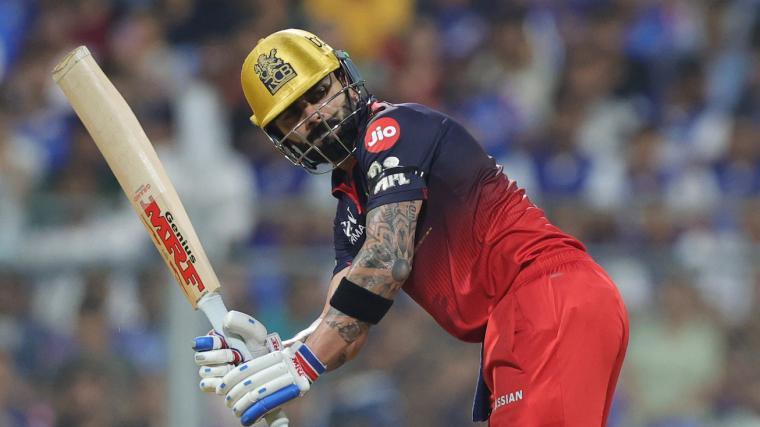
POLICY WIRE — Dharamshala, India — Up in the crisp, rarified air of the Dhauladhar range, where monasteries perch precariously and shadows lengthen early, a peculiar theater of commerce and ambition just unfolded. It wasn’t some diplomatic summit (though Dharamshala has certainly hosted its share of quiet international plays). No, this was the Indian Premier League, a cricket spectacle—Punjab Kings versus Royal Challengers Bengaluru—playing out against a backdrop of breathtaking Himalayan grandeur, and frankly, some rather pointed geopolitical silences.
It’s a peculiar thing, seeing million-dollar athletes clash for corporate glory at 1,457 meters (that’s 4,780 feet) above sea level, far from the heaving metropolitan arenas typical of this gargantuan sport. But then, the IPL isn’t just a sport anymore; it’s a statement, a cultural blitzkrieg, and increasingly, an understated instrument of national strategy. Every towering six and impossible catch isn’t just entertainment; it’s an advertisement for India’s economic might and burgeoning soft power, beaming out across a deeply complex subcontinent.
The Kings, surprisingly, chose to field after winning the toss—a bold call, considering the pitch dynamics up here can be as fickle as Himalayan weather. But on a larger scale, this match, like so many others, underscores the extraordinary appeal and reach of India’s economic narrative. It’s impossible to overstate its cultural penetration. But for whom, exactly? And what does it say about who’s invited to the party?
“The IPL isn’t just a game; it’s an export,” offered Mr. Sanjeev Singh, a senior aide within India’s Ministry of External Affairs, in an earlier discussion about cultural diplomacy. “It showcases our vibrancy, our technological prowess, — and our ability to host and manage events of global scale. It brings people together, makes them root for teams, makes them connect.” That’s the official line, anyway.
But connect where? And with whom? The live telecast details for this very match—PBKS vs RCB—painted a rather stark, if familiar, picture of regional disconnect. While fans across India devoured every moment on JioHotstar, and viewers in the UAE and USA tuned into various specialized channels, a crucial neighbor was explicitly absent from the broadcast roster: Pakistan. Zero broadcast. Nada.
It’s not some oversight, not a technical glitch. It’s a deliberate chasm, an entrenched media and political divide that means while Mumbai celebrates, Islamabad—or Karachi, or Lahore—can only catch snippets from unofficial streams, or perhaps read a live blog somewhere, their own cricket-mad population excluded from one of the region’s biggest spectacles. Because frankly, the two nations haven’t played proper bilateral cricket in years, the broader diplomatic chill reflecting directly in the cultural sphere. This commercial blackout—this media iron curtain—isn’t accidental; it’s a policy, enacted through omission.
📄 POLICY WIRE WHITEPAPER PUBLISHED: PAKISTAN'S NATIONAL SECURITY POLICY PRIORITIES
👉 READ BY CLICKING HEREBut the money keeps rolling, relentlessly. Royal Challengers Bengaluru, with their array of international stars like Virat Kohli and Devdutt Padikkal, walked into Dharamshala favored to win, their internal league analysis indicating a 58% win probability. Punjab, with names like Arshdeep Singh, were holding on for dear life in the playoffs race, sitting precariously at fourth in the table, having already suffered five straight losses.
And then there’s the subtle pressure of climate, of politics, of perception. Delhi’s strategic posturing is always there, lurking just beneath the surface of the sixes and fours. Professor Amina Khan, a Lahore-based political scientist specializing in South Asian relations, once observed, “Cricket in South Asia has always been more than just a game; it’s a canvas upon which national aspirations, rivalries, and anxieties are vividly painted. When it’s not broadcast, it’s a statement of indifference, or worse, outright animosity.” Her words hang heavy when you consider the millions just across the border, wanting to watch, but unable.
What This Means
This exclusion isn’t just about sports. It’s a low-key, but potent, expression of geopolitical reality. For Delhi, the IPL—a privately run league with staggering financial power—serves as an increasingly self-reliant soft power projection tool, independent of explicit government mandates yet deeply aligned with national interests. It’s about cultivating an image of a confident, booming India that dictates its own terms, even in cultural exchange. When Pakistan is digitally blacked out, it signifies more than a lack of broadcast rights; it underlines the depth of political antagonism, demonstrating who controls the flow of popular culture and, implicitly, regional influence. This isn’t just business; it’s a strategic assertion of cultural dominance, playing out in real-time, every six, every wicket, across a digital divide. And frankly, it’s not going away anytime soon.