


Celtic’s Unlikely Crown: How O’Neill Wrestled Glory from the Jaws of Chaos
POLICY WIRE — Glasgow, Scotland — For months, Celtic Park wasn’t a fortress; it was a battleground. Not against rivals, mind you, but against itself. A civil war simmered —...

POLICY WIRE — Glasgow, Scotland — For months, Celtic Park wasn’t a fortress; it was a battleground. Not against rivals, mind you, but against itself. A civil war simmered — no, exploded — between the boardroom and the terraces, leaving the once-hallowed club a scorched earth. That a league title, any title, would emerge from such deep-seated antagonism seemed not just unlikely, but flat-out ridiculous. And yet, here we’re. Martin O’Neill, the prodigal son returning for a second, almost mythical, stint, didn’t just walk into a club; he walked into a psychological operations nightmare and somehow, miraculously, walked out with the trophy.
It began — or rather, collapsed — long before the final, dramatic whistles. Brendan Rodgers, who once felt like the messiah, threw verbal hand grenades about transfer policy, comparing his squad to a Honda Civic when he craved a Ferrari. The implication? They weren’t his chosen few. But when his patience snapped, and he bailed in October after a brace of humbling defeats, the full force of boardroom ire descended. Dermot Desmond, Celtic’s major shareholder, didn’t hold back. Rodgers, he declared, had been “divisive, misleading, and self-serving,” accusations that ripped the professional veneer clean off the club. Fans, already feeling burned by European exits (remember that Kairat Almaty debacle?) and questionable summer signings, had been turning ugly. Now, their anger had fresh targets.
O’Neill’s first, brief return — five league wins in five games, an almost surreal calm before a coming storm — merely foreshadowed the bizarre circumstances of his second. Then Wilfried Nancy happened. A ‘monumental and needless punt,’ as some whispered, championed by the ‘lesser-spotted’ head of football operations, Paul Tisdale. It blew up. Right on day one. A loss to Hearts. Then another to Dundee United. A cup final defeat in between. The fragile peace O’Neill had briefly fostered evaporated, replaced by an even more corrosive poison. Supporters railed against incompetence — the hopeless transfer windows, the dismal communication, the blatant disregard for their passion. At the November AGM, Desmond’s own son, Ross, inflamed matters further, castigating fans and accusing them of attempting to “dehumanise and vilify” chairman Peter Lawwell. Lawwell, it seemed, couldn’t take it either, resigning amidst “abuse and threats from sinister elements.” Nancy and Tisdale were gone by January. No manager, no chairman, no sporting director. Just a vacuum. And a team that looked utterly defeated.
Enter O’Neill, again. Seventy-odd years young, returning from an even longer retirement from management. Many saw it as a desperate roll of the dice, a sentimental appointment bound to end in tears. His mission? Part football manager, part hostage negotiator, part therapist. He was grilled about transfers, looked haggard, but kept pushing. The new players, mostly loan signings, arrived in dribs — and drabs; few really stamped their mark. Yet, as the league campaign reached its frantic, exhausting conclusion, O’Neill did it. He galvanized a fractured dressing room — and extracted grit from players who, by many accounts, lacked genuine class. It’s hard to believe. They even pulled it off with a historically low goal tally — just 73 in the league — according to BBC Sport data, a stark 39 fewer than last season. That’s some serious doing, navigating that kind of decline to still win.
📄 POLICY WIRE WHITEPAPER PUBLISHED: PAKISTAN'S NATIONAL SECURITY POLICY PRIORITIES
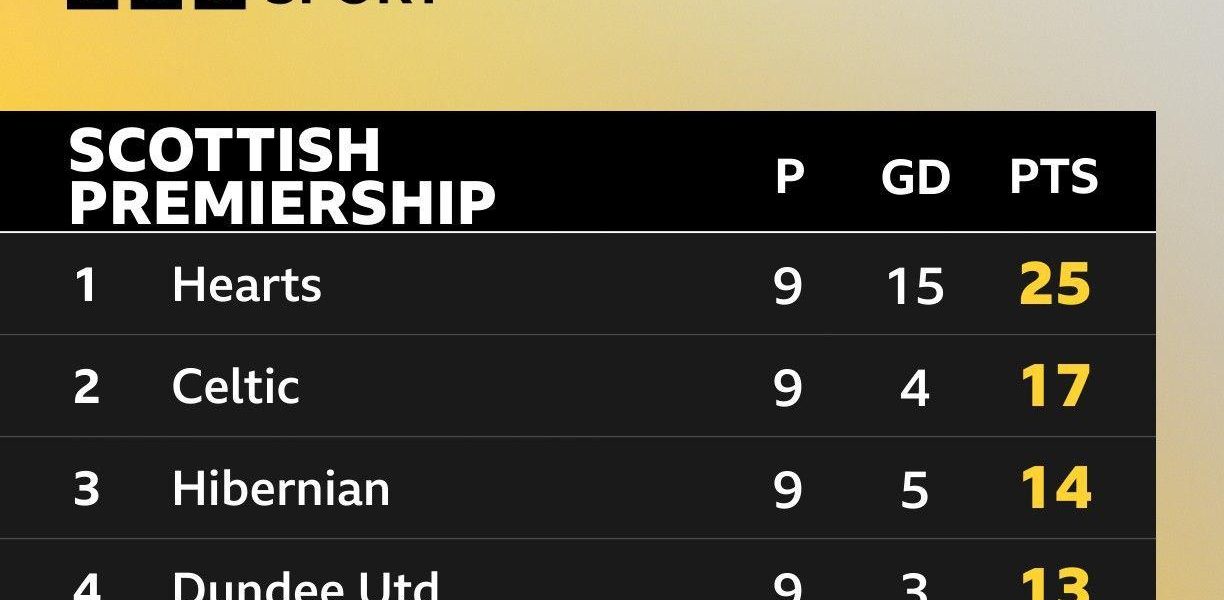
👉 READ BY CLICKING HEREAnd let’s be honest, it wasn’t pretty. Not by a long shot. After trailing Hearts by eight points in March, with a game in hand, O’Neill demanded seven wins from seven. They delivered, but it was a gut-wrenching grind. Most victories were by a single goal, some clinched dramatically late. The contentious penalty call at Fir Park, the penultimate game, became a flashpoint — an “abomination” to some, “clear” to others — sparking police intervention for the referee. Such was the raw, emotional edge of this title race. But through it all, O’Neill, with his customary mix of pragmatic defiance, navigated the chaos. It simply shouldn’t have been possible. “We weren’t just playing football matches; we were putting out fires, week after week,” O’Neill is reported to have remarked privately after the celebrations died down. “It’s probably the most satisfying title I’ve ever been a part of, precisely because nobody — absolutely nobody — gave us a prayer.”
What This Means
This improbable Celtic victory transcends mere sport, offering a stark lesson in crisis management and the sheer, often irrational, power of personality over structured planning. In a climate where corporations fetishize ‘data-driven’ decisions and perfectly articulated strategic roadmaps, O’Neill’s triumph was messy, reactive, and driven by an almost primordial will to win amidst unadulterated bedlam. It speaks to a deeper hunger for charismatic leadership when institutions flounder, where an experienced hand, even a slightly grumpy, world-weary one, can trump internal process. From a governance perspective, the club’s implosion under Rodgers and Nancy serves as a textbook example of leadership failure, fractured communication, and profound disconnection between ownership, management, and a rabid fanbase. The fan discontent, amplified by social media, showcases a contemporary phenomenon: stakeholders — whether consumers, citizens, or supporters — are increasingly vocal and empowered to directly challenge perceived inadequacies, making top-down control a relic of a bygone era. It’s a reminder that even global brands, like Celtic with its legions of fans stretching from Glasgow to Lahore, face intense scrutiny, where missteps reverberate far beyond their immediate locales. The passion, both positive and negative, mirrors similar deep-seated loyalties and rivalries observed in South Asia’s vibrant sports cultures, showing that fanatical devotion is truly a global ethos — often testing the grit of even seasoned leaders. For Celtic, this trophy isn’t a vindication of their boardroom’s approach, but a monument to one man’s almost superhuman ability to hold back the tide, if only temporarily.