


The Fading Roar: Clovis’s Bengal Tiger and the Unseen Costs of Conservation
POLICY WIRE — Clovis, New Mexico — It wasn’t the dramatic escape or the tragic accident that claimed Sooner, Clovis Zoo’s long-serving Bengal tiger. No, his end came with the quiet,...

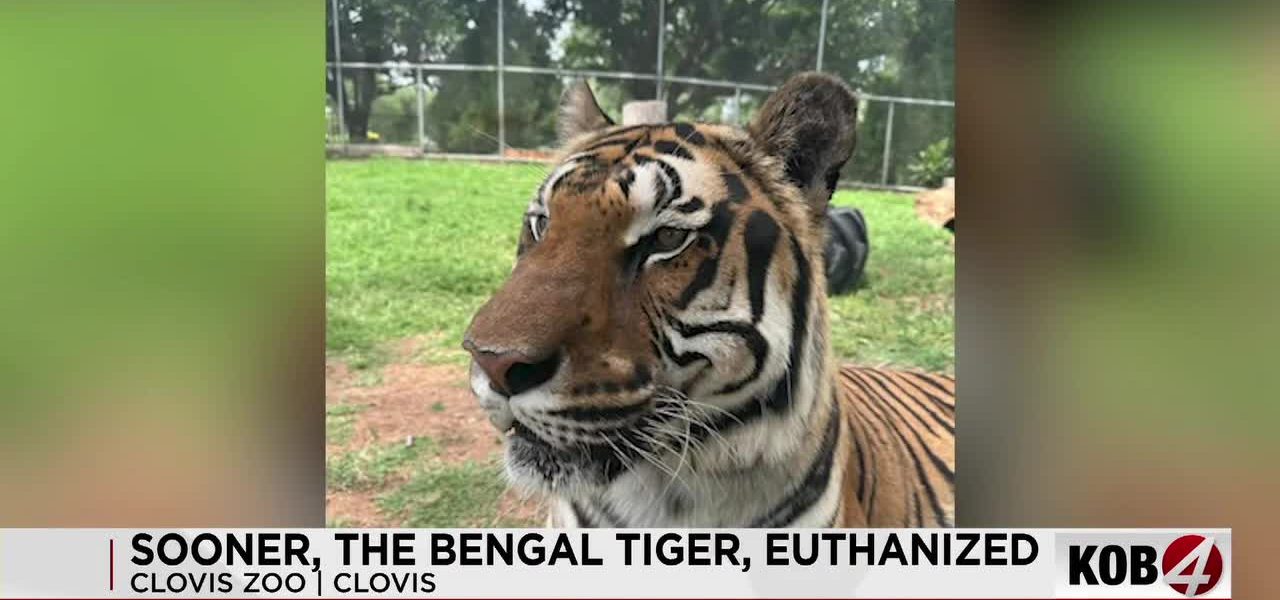
POLICY WIRE — Clovis, New Mexico — It wasn’t the dramatic escape or the tragic accident that claimed Sooner, Clovis Zoo’s long-serving Bengal tiger. No, his end came with the quiet, clinical inevitability of advanced age, chronic kidney failure, and a difficult but calculated decision to euthanize. He was 15, nearly 16. In an age of instant outrage and perpetual crises, a single animal’s passing in a sleepy New Mexico town might seem a trivial headline. But dig a little, push past the predictable expressions of sorrow, and you find a tangled web of questions about our relationship with nature, the peculiar economics of small-town zoological parks, and the surprisingly human burden of keeping the wild domesticated.
Sooner wasn’t just any tiger. He’d lived a life more luxurious than most wild cousins could ever dream of—climate-controlled enclosure, regular meals, expert veterinary care. He’d even had a brief stint as a poster child for alternative animal therapeutics, famously receiving CBD treatments for arthritis. Yes, you read that right. A creature whose ancestors once stalked the vast, untamed forests of South Asia, on cannabinoid supplements in rural New Mexico. It’s the kind of detail that prompts a weary shrug from anyone who’s spent too much time observing human attempts to control, categorise, and occasionally medicate the animal kingdom. What an age we live in, right?
The zoo, predictably, announced his death with solemn dignity. Dr. Eleanor Vance, the zoo’s director — and head veterinarian, didn’t mince words about the necessity of the act. “It’s never an easy decision,†she told Policy Wire, her voice heavy but steady. “Sooner lived a good, long life for a tiger in captivity, largely thanks to the dedicated care he received. But quality of life? That’s always the bottom line for us. It simply had to be done. He deserved peace.†Her statement, an uncomfortable blend of grief and professional duty, laid bare the tightrope walked by those who care for exotic species behind fences. They’re guardians, yes, but also wardens, deciding fates most predators once reserved for their prey.
And what of Clovis itself? Mayor Thomas ‘Mac’ McFadden understands the weight of Sooner’s absence. “Sooner wasn’t just an animal here; he was a Clovis fixture,†he noted, reflecting the sentiment of a town that likely considered the tiger as much a local landmark as its high school stadium. “Generations grew up visiting him. It’s a sad day for our town, — and we stand by the difficult choices made by our dedicated zoo staff. These places—small zoos like ours—they matter to folks. They’re often the only wild contact people get.†He’s not wrong. For many, a zoo offers a portal, albeit a manufactured one, to realms they’ll never see. But the portals are costly to maintain, both financially — and ethically.
This particular tiger’s narrative, however ordinary in its conclusion, speaks to broader dilemmas. His distant wild relatives, fewer than 4,000 according to the World Wildlife Fund (WWF), face existential threats across Asia. While Sooner munched his specially formulated meals and dozed under the New Mexico sun, tigers in Bangladesh and India battle habitat loss, poaching, and human-wildlife conflict. It’s a harsh dichotomy. We fuss over the comfort of a captive specimen while species blink out in the ecosystems they once owned.
What This Means
📄 POLICY WIRE WHITEPAPER PUBLISHED: PAKISTAN'S NATIONAL SECURITY POLICY PRIORITIES
👉 READ BY CLICKING HERESooner’s death isn’t just about a tiger. It’s a lens through which to view the often-strained finances of smaller municipal zoos. These institutions operate on slim budgets, relying on ticket sales, local tax dollars, — and donations. Losing a marquee animal like a Bengal tiger can impact visitation, leading to real economic jitters for an attraction that pulls in tourist dollars. But there’s a deeper policy discussion at play too: What’s the true mission of these facilities today? Are they strictly conservation centers, living museums, or entertainment venues? The lines, they’re blurring faster than a startled gazelle. The resources poured into an animal like Sooner—his expensive CBD regimen, the round-the-clock specialized care—are testament to the dedication, yes, but also to the colossal infrastructure needed to keep such an animal alive outside its native habitat.
Because ultimately, these captive animals serve as ambassadors for their wild brethren. Sooner, for all his tranquil existence, symbolized a disappearing world. His passing, however undramatic, quietly echoes the more deafening silences growing across the tiger’s native range, from the lush Sundarbans of the Indian subcontinent to the forests of Southeast Asia. And this global reality, where wild spaces shrink and their inhabitants vanish, puts a heavier, unseen burden on the captive creatures we cherish. For those in countries like Pakistan or India, where ancient forest traditions clash with modern development, the message is clear: if we can barely keep them going in zoos, what hope is there for the jungles?
The Clovis Zoo, like many small operations, grapples with this every day. The question isn’t just how to replace a beloved animal, but how to ensure its new role—as a symbolic void—doesn’t eclipse the complex, global realities of wildlife conservation it represents. His roar may be gone, but the reverberations of his life and death, even in a dusty corner of New Mexico, are anything but quiet.