


Fever Pitch or Fever Dream: Albuquerque’s NBA Fix Amidst the Quiet American Strain
POLICY WIRE — Albuquerque, New Mexico — A palpable hum has settled over the mesas and sprawling arroyos of Albuquerque this week, a collective tilt of the head toward television screens and sports...

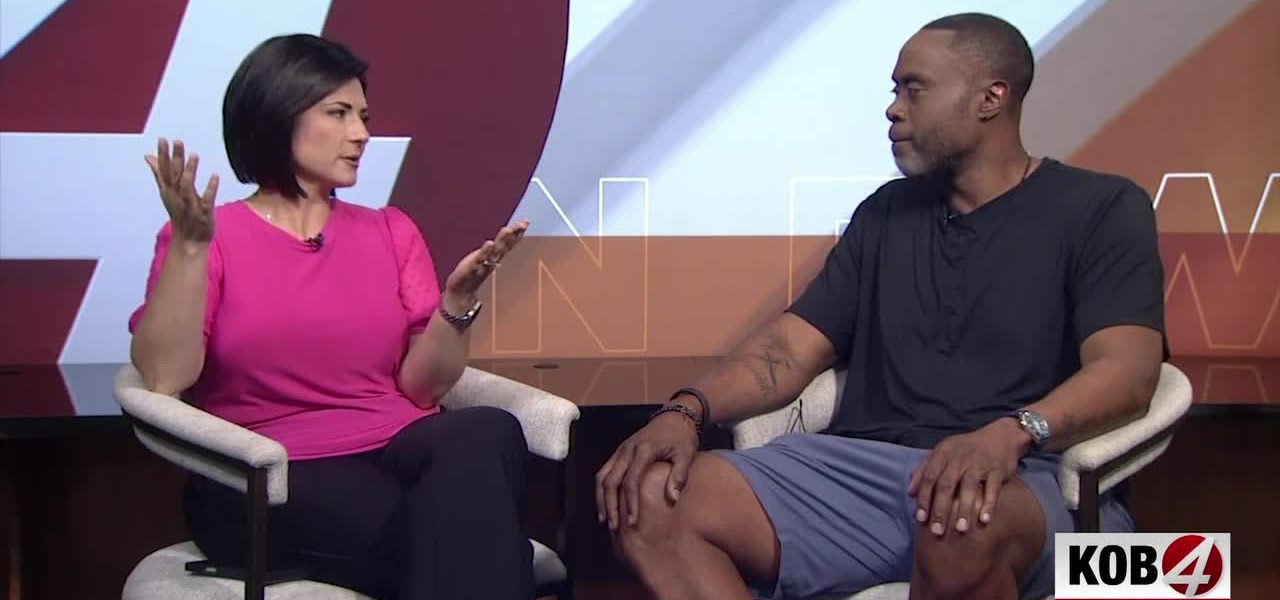
POLICY WIRE — Albuquerque, New Mexico — A palpable hum has settled over the mesas and sprawling arroyos of Albuquerque this week, a collective tilt of the head toward television screens and sports apps. It isn’t the familiar drone of air force jets or the low rumble of I-40 traffic. No, it’s the peculiar, electric current generated by the NBA playoffs—a spectacle now seemingly captivating this desert city with a fervor typically reserved for local high school football rivalries. But look closer. That very same national obsession, filtering through local media outlets like KOB.com, serves a purpose far grander, and far more subtle, than mere entertainment: it’s a distraction, a brief, high-gloss veneer over a less glamorous American reality.
It’s an odd dance, this national absorption into an athlete’s heroics while municipal budgets remain as tight as a drum and local infrastructure groans under decades of neglect. Albuquerque, a city with its own set of persistent economic headwinds—a reality often masked by momentary civic celebrations—finds solace, if only fleeting, in the remote triumphs of athletes playing thousands of miles away. It’s not just a sport; it’s a shared illusion, carefully cultivated — and broadcast.
And local officials, they’re not blind to it. They’re acutely aware of the delicate balance between public mood — and public policy. “You know, there’s an undeniable spirit this time of year, an excitement that unites folks,” remarked Mayor Tim Keller, his voice carefully calibrated during a recent public appearance. “People are talking basketball, sharing a sense of shared community pride—even if it’s about a team that isn’t our own. We welcome that energy, that shared enthusiasm, especially after a tough few years.” He’s right, of course, about the energy. It’s hard not to get swept up. But the pragmatist in him likely recognizes it for what it’s: a useful, though ephemeral, antidepressant for the populace.
But the true score isn’t tallied on a scoreboard; it’s reflected in the city’s ledger and its less fortunate neighborhoods. In New Mexico, the unemployment rate, for instance, sat stubbornly around 4.5% last year—higher than the national average at the time—a stark statistic reported by the New Mexico Department of Workforce Solutions. So, while Luka Doncic dribbles and jumps, a different kind of calculation plays out on the ground: the struggle for stable employment, access to healthcare, and affordable housing. Because while the playoffs offer a sense of collective purpose, they don’t fill food banks or fix potholes.
This particular playoff narrative also reflects a broader, perhaps even unsettling, phenomenon of American cultural exports. This very buzz—the analysis, the hero worship, the strategic breakdowns—isn’t confined to the Land of Enchantment. Oh no. From bustling markets in Karachi to quiet cafes in Dhaka, young men and women track the NBA’s convoluted bracketology with astonishing precision. It’s a softer form of global influence, far removed from diplomatic cables or trade agreements. But it’s powerful. While Bangladesh grapples with geopolitical shifts and resource distribution, its youth might be found passionately debating whether the Celtics’ defense can contain the Western Conference’s offensive juggernaut. It’s not just an American game anymore; it’s a global narrative, an economic engine, and, for many, a universal language.
📄 POLICY WIRE WHITEPAPER PUBLISHED: PAKISTAN'S NATIONAL SECURITY POLICY PRIORITIES
👉 READ BY CLICKING HEREAnd what happens when the final whistle blows? When the confetti drops for a champion team hundreds or thousands of miles away, and the sports broadcasts return to baseball and golf? The shared distraction evaporates. The subtle balm fades, and Albuquerque awakens to its everyday challenges, the bills still needing payment, the jobs still needing to be created. That’s the real game.
What This Means
The fixation on external sporting events, especially in economically marginal cities, speaks volumes about contemporary socio-political dynamics. For civic leaders, such ‘bread — and circuses’ moments are often a convenient, cost-free boon to public morale. It offers a momentary relief valve, allowing residents to collectively redirect anxieties onto a universally accessible, low-stakes competition. It’s a testament not to a lack of local interest or spirit, but to the pervasive nature of entertainment as a form of social governance—a quiet acknowledgement by those in power that sometimes, the best policy is a good game on television. This distraction, while beneficial in the short term, also risks diluting local civic engagement on more pressing, homegrown issues, perpetuating a cycle where local struggles remain obscured beneath the glitz of national spectacles. It’s an interesting strategy, if one could call it that, because it functions on collective emotion, not deliberative action. And emotions, as we know, can shift on a dime.
“We shouldn’t confuse cheering for a team with actual progress,” cautioned Dr. Lena Shah, an urban economist specializing in arid region development, her words cutting through the usual platitudes. “While the camaraderie of sports is genuine, its economic impact on cities like Albuquerque is often indirect, at best—a fleeting surge in bar sales, perhaps. The structural issues? They persist. You can’t finance a city’s future on championship dreams from other states. You just can’t.” She’s got a point. You always knew she would.