

Shadowboxing the Market: Injuries Decimate Cards, Fighters’ Dreams — and Promoter Bottom Lines
POLICY WIRE — Sheffield, UK — The glitzy facade of professional boxing often distracts from its brutal, sometimes inconvenient truths. It’s a game of intricate choreography — and calculated risk,...

POLICY WIRE — Sheffield, UK — The glitzy facade of professional boxing often distracts from its brutal, sometimes inconvenient truths. It’s a game of intricate choreography — and calculated risk, yes, but also of sudden, deflating happenstance. Another main event — gone. Poof. Just like that.
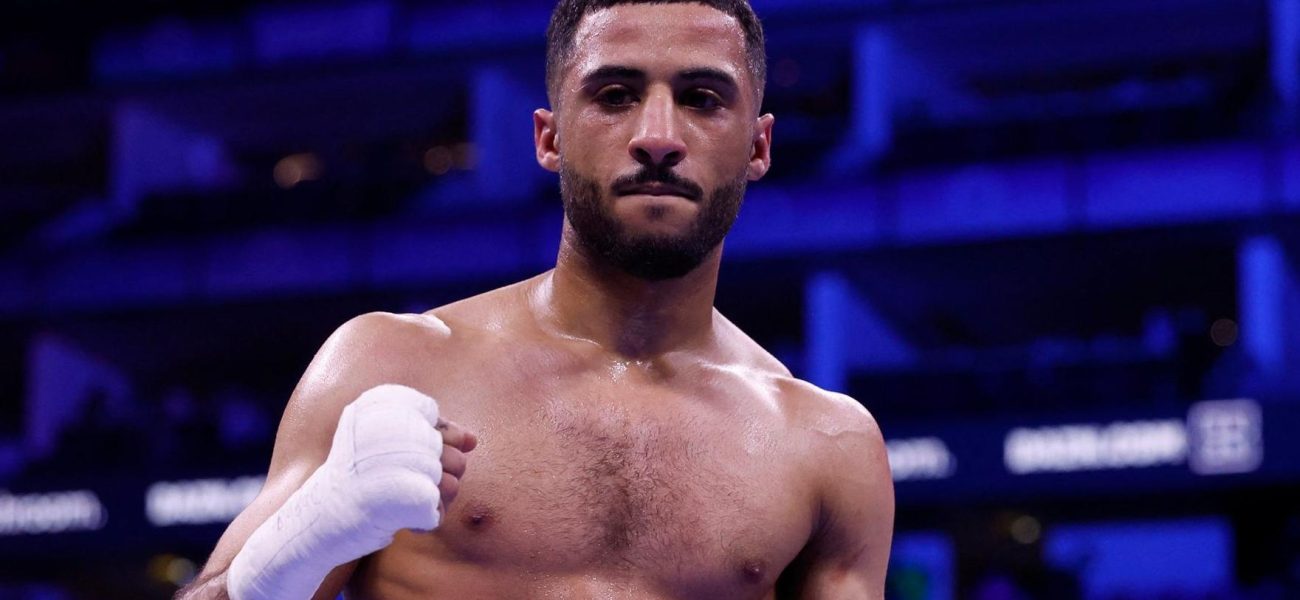
Galal Yafai, Britain’s golden boy from Tokyo, a name whispered with hushed reverence among fight fans, won’t be gracing the ring on June 6. His much-anticipated title tilt against unified flyweight king Ricardo Sandoval? Derailed. Another casualty in the relentless, unyielding grind of training camps. He picked up an injury, the kind that whispers ‘rest,’ not ‘title shot.’ And just when the promotional machine had barely spun back up after the last debacle, too.
It’s a pattern that feels depressingly familiar, isn’t it? Just weeks ago, Dalton Smith, the British WBC light-welterweight champ, yanked himself from the very same Sheffield card, citing his own bodily breakdown. You’ve got to wonder what’s going on behind the scenes at Utilita Arena. Is it the fight game itself – the sheer, punishing physicality – or something else, some strange confluence of ill-luck settling over Yorkshire? Doesn’t matter, though. The show, as they say, simply must stagger on.
But this isn’t merely about Yafai’s postponed moment in the spotlight; it’s a microcosm of the precarious nature of combat sports careers. He hasn’t fought since June of last year, a technical loss against Francisco Rodriguez Jr. later – — and conveniently – overturned to a no-contest when Rodriguez, predictably, flunked a drug test. One step forward, two steps back, you know? The man’s professional record stands clean at 10-0 (7 KOs) now, which is pretty exceptional. Yet, the momentum? That’s what really takes a hit.
“Look, fighters get hurt,” declared Frank Warren, a legendary boxing promoter, his voice betraying a hint of world-weariness I picked up last month at a London presser. “It’s the game we play. The punches, the training — it takes its toll. My job isn’t to dwell, it’s to keep the engines running. You pivot. You always, always pivot.” It’s a sentiment echoed across every promotional office in the land, a pragmatic shrug in the face of what are, for the athletes, shattering setbacks.
The promoter’s focus now shifts. Young Josh Padley’s European super-featherweight defense against Aqib Fiaz has been shoved into the main event slot. Good for them, really. You grab the chance when it lands, right? Because tomorrow, it might be your turn for the medical report that ends your dream. On the undercard, young talent Leo Atang, a heavyweight prodigy from Yorkshire, continues his ascent, alongside other unblemished hopefuls Adam Maca and Connor Mitchell. Coventry’s Aaron Bowen takes on Troy Coleman, and for British boxing cognoscenti, there’s always the English super-featherweight belt scrap between Ibraheem Sulaimaan and Ibrahim Nadim. These are the future stars, some of them — but they’re also the next generation facing the same brutal risks.
📄 POLICY WIRE WHITEPAPER PUBLISHED: PAKISTAN'S NATIONAL SECURITY POLICY PRIORITIES
👉 READ BY CLICKING HEREIt’s fascinating, isn’t it, how these individual misfortunes can impact entire communities? Especially when you consider the ethnic makeup of boxing in the UK. Fighters like Fiaz — and Nadim, both of South Asian heritage, carry the hopes of many. Their presence on such a visible stage resonates deeply within diaspora communities, mirroring the aspirations and triumphs of second and third-generation immigrants. In Pakistan, for instance, sports heroes like Amir Khan (another British Pakistani boxer) are celebrated with a fervour that crosses continents, a symbol of potential achieved despite the odds. When these cards wobble, it isn’t just ticket sales; it’s a tiny fracture in that narrative.
And then there’s the broader issue of athlete welfare. “We’ve always got to be vigilant,” cautioned Dr. Aaliyah Qureshi, an Undersecretary for Sports Integrity in a recent parliamentary subcommittee hearing. “The health of our fighters isn’t just their concern; it’s a regulatory imperative. Because if we don’t protect them, what are we protecting, really? The long-term commercial viability of the sport depends on our athletes having a fighting chance — literally.” The statistics are stark: A 2023 report from the British Medical Association indicated that competitive boxers endure an average of 3.4 serious training injuries per year, significantly impacting career longevity and earning potential. It’s not for the faint of heart, or for those whose bones are made of glass.
What This Means
For Sheffield, losing another marquee fighter hits the local economy square in the jaw. Pubs, restaurants, hotels — they all take a little knock. Promoters like Boxxer, who put this thing together, have got to pull out the old contingency plan and make it sing, which isn’t cheap. It means more scrambled marketing, re-printed programs, a frantic reshuffle of fight orders. The overall perceived quality of the card dips, potentially hurting future ticket sales and undermining efforts to keep boxing top of mind in a country where football — as an all-consuming juggernaut — dominates. Financially, an injured main eventer often means less money from broadcast deals, too, or at least a renegotiation. You just don’t pay the same for an unproven headliner as you do for an Olympic gold medalist challenging for a world title. But, on the flip side, it creates unexpected opportunities for hungry up-and-comers. Josh Padley and Aqib Fiaz will now have a bigger spotlight than they’d anticipated, a chance to make their names in front of an international audience, albeit a slightly less expectant one. It’s the ruthless, unforgiving engine of the fight business, always chewing up one story to spit out another.