

New Mexico’s Flickering Storms: A Mirage in the Dust Bowl’s Deepening Shadow
POLICY WIRE — ALBUQUERQUE, N.M. — It’s a familiar sort of gallows humor for folks here: hope for rain, then watch the sky offer nothing but a dramatic shrug. New Mexico, that vast canvas of high...

POLICY WIRE — ALBUQUERQUE, N.M. — It’s a familiar sort of gallows humor for folks here: hope for rain, then watch the sky offer nothing but a dramatic shrug. New Mexico, that vast canvas of high desert and soaring mountains, finds itself once more in the tightening grip of aridity, its momentary skirmishes with summer storms doing little to loosen the drought’s persistent chokehold. A marginal whisper of severe weather in the state’s far east, bringing the tantalizing promise of rain, quickly dissipates into the much louder, harsher reality: relentless sun, desiccating winds, and the sort of dryness that makes the air feel brittle.
Because, really, what’s a brief bluster of wind and a few lightning strikes against the slow, geological grind of an ecosystem that’s thirsty down to its bones? This isn’t just a bad week for gardening, you understand. This is another turn of the screw for a region where every drop of water is, effectively, a political decision—a zero-sum game fought in legislatures, river compacts, and ultimately, on the ground by farmers, ranchers, and urban planners all scraping for diminishing returns. Central and western stretches, the heart of the state, stay baked and breezy; the afternoon wind-downs offer scant relief from a relentless cycle. Even Albuquerque, Farmington, and Socorro, strung along vital lifelines, feel the persistent westward push of the hot air, an almost taunting caress.
Cooler air was supposed to drift in behind a so-called ‘backdoor front’ up in the northeast. But it’s come up short. Didn’t deliver. Instead, forecasts now suggest that feeble front is weaker than anticipated. Overnight lows are still pretty mild for mid-May—which sounds lovely if you’re vacationing, less so if you’re concerned about water retention or the health of a high-altitude forest. These sorts of small-scale weather events, the ones that barely register on the national radar, often expose a deeper unease, a sort of climatic anxiety quietly seeping into the public consciousness. We’re witnessing, in real time, the renegotiation of what ‘normal’ means.
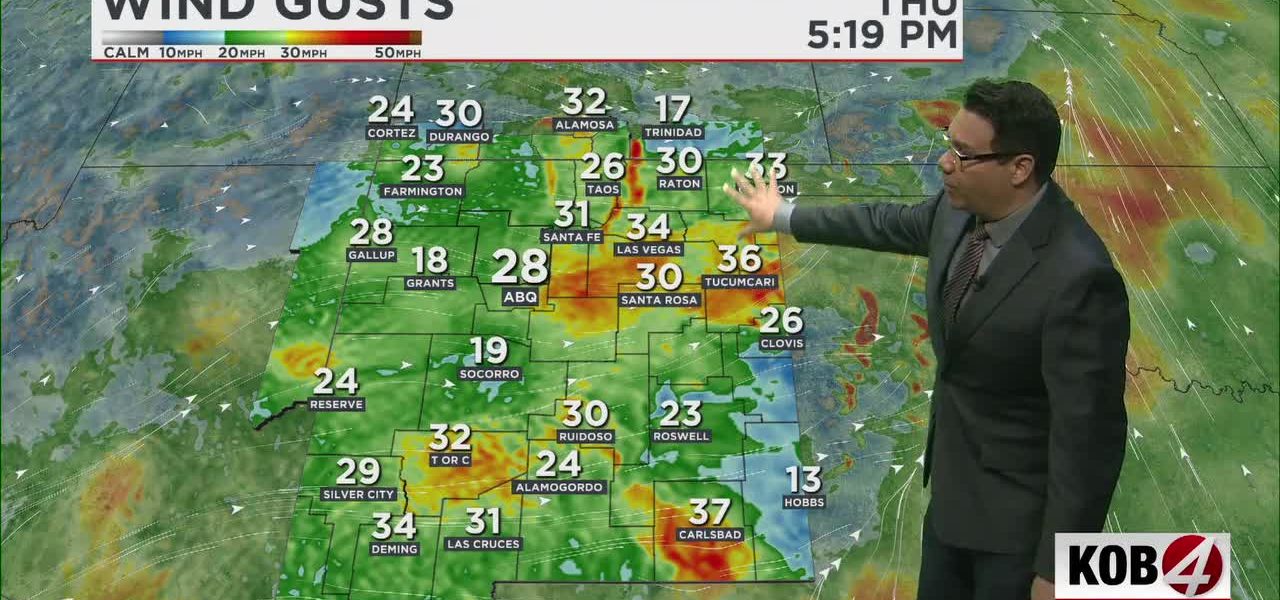
And on Friday, that anaemic front will just loiter around northeast New Mexico. Maybe, just maybe, it’ll kick off another round of afternoon storms, mostly confined to Union County and its dusty neighbors. But don’t get too excited; these aren’t your grandfather’s deluges. These are the kind of storms that prefer grand theatrics: strong outflow winds and dramatic lightning, often without the life-giving rain needed to quench the earth. We’re talking wind gusts upwards of 50 to 60 mph—the kind that kicks up topsoil, not the kind that fills cisterns. Most of the rest of New Mexico? Just more sunny skies, bone-dry humidity, those perpetual breezes, and temperatures creeping towards the uncomfortable side of 90 degrees Fahrenheit in Albuquerque. Roswell will likely hit the mid-90s, a testament to its furnace-like temperament, while even Santa Fe, usually a bit cooler in its mountain perch, will feel the heat in the mid-80s.
Governor Michelle Lujan Grisham (D-N.M.), who’s certainly seen her share of wildfires and droughts, minced no words recently. “Our state is on the front lines of climate change,” she remarked during a recent press brief, adding, “We’re not just managing a weather event; we’re adapting to a new era. The challenges for our agricultural sectors, our indigenous communities, and our urban centers are immense, and they require a collective, sustained response that recognizes this isn’t a temporary hardship.” But beyond state lines, the picture looks no less daunting. Dr. Aisha Rahman, a climate scientist specializing in arid zone hydrology at the University of California, Berkeley, and an expert consultant to various international bodies, pointed out that the trends in the American Southwest aren’t isolated incidents. “The precipitation variability and increased heat we’re observing in places like New Mexico,” she explained in an email interview this week, “are echoes of what we see in semi-arid regions globally, from the Sahel to the agricultural belts of Pakistan’s Sindh province. Water scarcity is not a localized problem anymore; it’s a shared vulnerability.” Rahman noted that recent reports indicate that New Mexico’s average annual precipitation has declined by roughly 8% over the past two decades, making these short-lived, windy storms largely ineffectual.
📄 POLICY WIRE WHITEPAPER PUBLISHED: PAKISTAN'S NATIONAL SECURITY POLICY PRIORITIES
👉 READ BY CLICKING HEREThe parallels to South Asia aren’t lost on observers of global climate patterns. Just as New Mexico struggles with securing water rights from the Colorado River Basin amid burgeoning populations, nations like Pakistan confront ever-decreasing flows in the Indus, intensified by glacial melt anomalies and an increasing demand that the system simply can’t meet. The challenges become less about localized weather patterns and more about geopolitics and resource allocation—how governments respond when nature offers a steadily shrinking pie. The scramble for water isn’t just about survival, it’s about stability, an issue Pakistan understands intimately given its reliance on agricultural output and the vast populations impacted by monsoon variations. The same dry winds whipping across New Mexico are, in a symbolic sense, felt globally.
What This Means
This isn’t merely a meteorologist’s forecast; it’s a policy predicament wrapped in heatwaves. New Mexico, a state historically defined by its scarce water, is now staring down the barrel of amplified scarcity. Economically, this translates directly to pressure on farming and ranching, two mainstays that form part of the state’s very identity and heritage. Less water means smaller yields, tougher grazing conditions, — and higher food prices down the line. It’s a squeeze felt everywhere, though maybe more intensely here. Infrastructure investment—things like advanced water recycling plants and improved aquifer management—will become less of an option and more of a non-negotiable expense for municipalities and the state itself. Such gambits often reveal how delicate economic stability can be when natural resources are strained. Politically, leaders face an unenviable choice: either invest massively in climate adaptation and water security measures—a huge lift for any state budget—or face continued disputes between urban centers, agricultural interests, and sovereign tribal nations, all vying for limited resources. It forces conversations about federal aid — and regional collaboration in a country that’s increasingly fractured. These aren’t local problems, but manifestations of shifting global power dynamics driven by resources, a dynamic many cities and regions now grapple with, even those not directly in a desert. This ongoing drought forces a hard look at long-term survival strategies for arid regions worldwide, compelling decision-makers to adapt to an uncompromising new environmental baseline.