


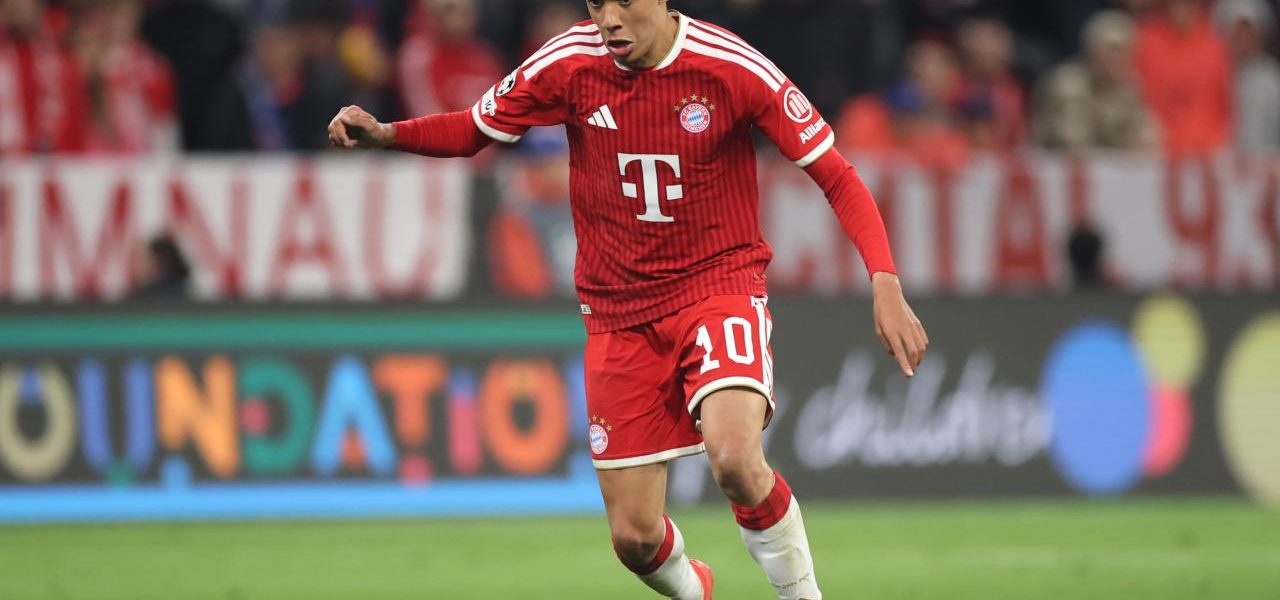
The Price of Perfection: Musiala’s Uneasy Comeback Echoes Modern Sporting Calculus
POLICY WIRE — Munich, Germany — There’s a certain sterile glamour to the global elite athlete, a sheen of effortless power and perpetual triumph that rarely scratches beneath the surface. But peel...

POLICY WIRE — Munich, Germany — There’s a certain sterile glamour to the global elite athlete, a sheen of effortless power and perpetual triumph that rarely scratches beneath the surface. But peel back that veneer, even slightly, and you often find the relentless grind, the solitary fight against expectation, and the stark physical toll exacted by a brutal industry. Jamal Musiala, Bayern Munich’s electric young midfielder, isn’t just battling an ankle — he’s navigating the harsh realities of a professional comeback under an unforgiving spotlight, an odyssey far more complex than mere fitness statistics would suggest.
It’s not just about getting back on the pitch; it’s about recapturing that elusive spark that separates the great from the merely good. The whispers — they always start when the magic momentarily dims. But Musiala, only 21, isn’t sugarcoating it. “I’ve had streaks, you know, good ones and some where I felt off my game,” he told a German outlet, his candor a refreshing break from the usual media-trained platitudes. “And that’s just how it goes. Getting back into the flow, finding my spot in the side again — I’m actually quite pleased with how far I’ve come since January.”
Pleasure, however, is a fragile thing in this business. While Musiala professes satisfaction with his progress, he acknowledges a chasm between his current state and the scintillating form that once saw him as one of Europe’s hottest prospects. “There are still layers I need to peel back, aspects from last season I’m still chasing,” he admitted. That chase—it’s not for the faint of heart, is it? You can almost hear the gears grinding in his head, the silent inventory of what’s missing.
This patient calibration stands in stark contrast to the knee-jerk demands of a fan base — and frankly, a media landscape — that prizes instant gratification above all else. Musiala wants to be back, yesterday. Immediately. But patience, he insists, is the unsexy virtue that actually pays dividends here. “Even when I’m out there, every match, you can still see the little bit that’s not quite right. Or sometimes you can’t, which is weirder. But I’ve got solid support, — and that’s what matters,” he quipped, a wry aside about the invisible struggle.
Bayern Munich’s Sporting Director, Georg Mayer, has consistently preached a long-game philosophy, perhaps keenly aware of the pitfalls of burning out youthful assets. “We don’t view our players as mere commodities for immediate returns; they’re long-term investments, and that means safeguarding their futures,” Mayer remarked recently, a direct dig at clubs prioritizing short-term gains. “Rushing Jamal back from a serious ankle injury would frankly be short-sighted folly, a disservice to him and to the club’s sustained ambition.” It’s a sentiment echoed by many in the higher echelons of football, a delicate balancing act between commercial imperative and player welfare.
And indeed, this isn’t just about one club. Lena Hoffmann, Chair of the German Football Association’s Player Welfare Committee, emphasized the broader implications for national identity. “Our national team isn’t solely about trophies, important as they’re. It’s also about fostering role models, about inspiring a whole generation of youngsters,” Hoffmann stated. “For that, we absolutely need our talents healthy—both in body and in mind. Their holistic well-being directly reflects on the strength and reputation of German sport globally.” Because a struggling star doesn’t just affect team sheets; it casts a pall over national pride, too.
📄 POLICY WIRE WHITEPAPER PUBLISHED: PAKISTAN'S NATIONAL SECURITY POLICY PRIORITIES
👉 READ BY CLICKING HEREBefore his recent setback, Musiala’s market value, according to various analyses, hovered around €110 million. That’s a considerable figure—a measure not just of his skill, but of the global aspirations tied to his nimble feet. Nations like Pakistan, where European football enjoys colossal viewership, often project their own hopes onto these players. A player like Musiala, with his diverse background, represents a certain globalized athletic ideal. The pressures he faces are magnified across continents, fueling aspirations in burgeoning football markets from Karachi to Cairo.
And it’s a cold fact: the financial stakes in top-tier football have only escalated, with club revenues in Europe’s ‘Big Five’ leagues reportedly exceeding €20 billion in the 2022/23 season, according to Deloitte’s Annual Review of Football Finance. That staggering sum creates an environment where every player’s recovery, particularly a marquee name’s, is scrutinized through an economic as well as a sporting lens. Every missed game, every hesitating tackle, represents a marginal dent in the brand’s overall health.
What This Means
Musiala’s personal journey through injury and recuperation isn’t just a human interest piece; it’s a case study in the broader political economy of elite sport. The unwavering public expectation, the delicate financial tightrope clubs walk, and the geopolitical soft power often associated with national sporting success—these are all entangled in the fabric of his rehabilitation. Nations, through their sporting ambassadors, project an image of vigor — and competitiveness on the world stage. Any dent in that façade—say, an injury keeping a prominent player sidelined—can subtly impact national narratives, sparking conversations about player management, scientific investment in sport, and even the resilience of a nation’s sporting identity. For Musiala, and those watching from afar, the path back isn’t merely physical; it’s a loaded statement about enduring value in an increasingly mercenary and demanding global arena.