


Kohli’s Gallows Humor Moment: Superstar Hints at Freedom from National Burden Amidst IPL Triumph
POLICY WIRE — New Delhi, India — Forget the scorching century; that’s just the headline any sports ticker would blare. The real tremor through the subcontinent’s perpetually agitated...

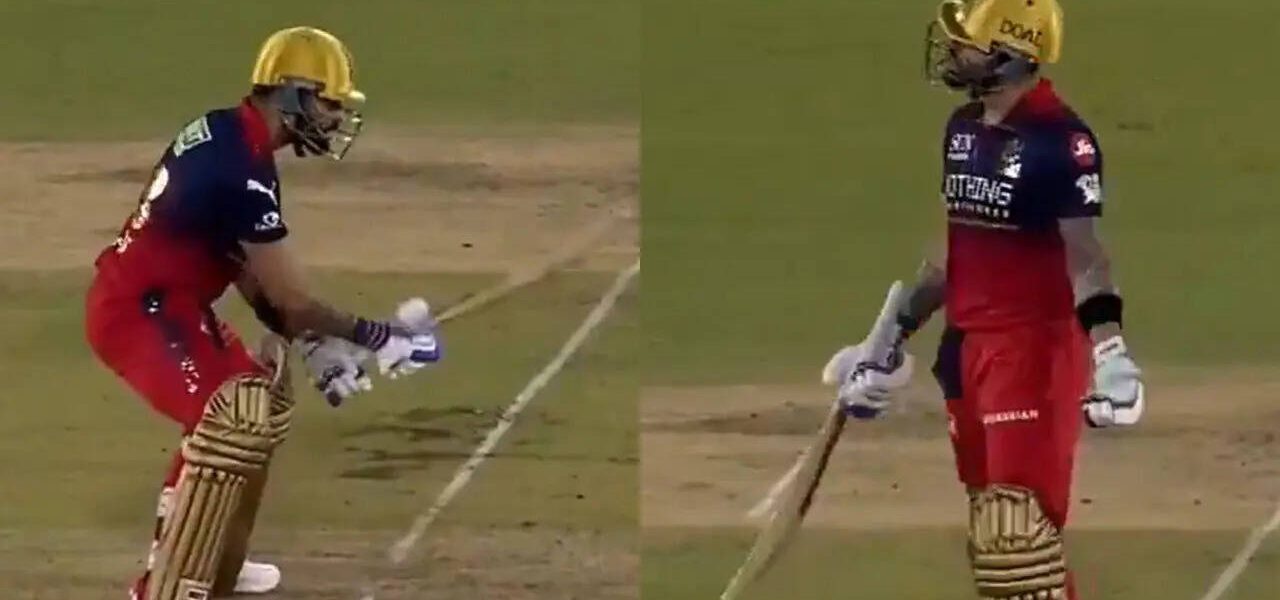
POLICY WIRE — New Delhi, India — Forget the scorching century; that’s just the headline any sports ticker would blare. The real tremor through the subcontinent’s perpetually agitated cricket conscience arrived not with the crack of leather on willow, but with a muttered, almost playful confession into a stump microphone. Amidst a bruising chase for the Royal Challengers Bengaluru against Kolkata Knight Riders, superstar batter Virat Kohli, navigating a tricky phase, quipped to a former teammate, “Ab toh India ke liye thodi na khelna hai, ab toh har shot lagega.” Translated, that’s, “I’m not playing for India now, every shot will land.”
It was a fleeting moment, a micro-burst of gallows humor from a man carrying the weight of a billion-plus dreams on his shoulders since puberty. But in India, where cricket isn’t just sport—it’s a religion, a political proxy, a measure of national ego—such a remark, however light-hearted, hits different. It rips back the curtain, even for a nanosecond, on the suffocating pressure cooker these athletes inhabit, far removed from the glitz of franchise cricket’s corporate box seats. You don’t often hear a monarch, even a sporting one, muse about abdicating his crown during a coronation.
Kohli, you see, wasn’t just casually batting. He was crafting a masterpiece. His unbeaten 105 off 60 deliveries, laden with effortless power, pulled RCB from the brink, securing a six-wicket victory in the IPL 2026 fixture. But it wasn’t merely the statistical triumph that grabbed eyeballs—though those were significant; Kohli crossed 14,000 runs in T20 cricket, making him the first Indian batter to reach that milestone, according to a recent BCCI statistical review. No, it was the raw, unscripted moment of vulnerability, disguised as jest, that echoed louder than any cheer from the Raipur crowd.
“Haan, abhi maarunga dekh,” he’d said earlier to Manish Pandey, gesturing a daring ramp shot, before the loaded follow-up. Pandey, who shared a dressing room with Kohli during India’s 2008 U19 World Cup glory, could only smile. It’s a sentiment most players in India, and indeed across the subcontinental cricketing behemoths like Pakistan and Bangladesh, understand implicitly. The club jersey, however expensive, can never quite shed the shadow of the national colors. Every stroke is scrutinized through the lens of potential international form, every duck a public referendum on patriotism.
Former Sports Minister, M. Krishnan, a man not prone to hyperbole, once told this reporter that, “For an Indian cricketer, the field isn’t just turf; it’s the perpetual crucible of national identity. Every match, whether club or country, is effectively a performance review for the republic.” It’s why Kohli’s offhand remark about playing “just for the club” felt so jarring—and so brutally honest. That relief, even feigned, in not carrying the burden of ‘India’ during a game where millions were watching and investing, monetarily and emotionally, spoke volumes about the unyielding pressure. It isn’t easy. And it’s not a narrative often aired publicly.
📄 POLICY WIRE WHITEPAPER PUBLISHED: PAKISTAN'S NATIONAL SECURITY POLICY PRIORITIES
👉 READ BY CLICKING HEREWhat This Means
Kohli’s candidness, however inadvertent, peels back a layer on the economics — and politics of South Asian sports. The Indian Premier League (IPL) is a commercial juggernaut, a multi-billion dollar enterprise that frequently overshadows bilateral international series and, at times, national team priorities. Players are paid astronomical sums by franchises—millions for a few weeks of work—a financial draw so potent it often dictates career longevity and international commitments. This financial allure creates an interesting tension: athletes are global brands first, national representatives second, in the franchise ecosystem. But their value to the franchises, particularly for Indian stars, is inextricably linked to their aura as national heroes. It’s a circular dependency.
Because, culturally, for the common fan, their heroes like Kohli remain an extension of national pride. This puts the athlete in an unenviable position, often navigating criticisms from pundits and public alike over prioritizing personal wealth and franchise commitments versus the ‘higher calling’ of national service. The emotional — and mental toll, often disregarded in the roar of the crowd, can be immense. The collateral damage in professional sports is rarely just physical; it’s a deep dive into the psyche, too. This dual loyalty isn’t unique to cricket; professional sports worldwide grapple with the same dynamic, as gridiron geopolitics shows us with the NFL’s global play.
The ‘viral moment’ therefore wasn’t about a brilliant century; those are par for the course for Kohli. It was a peek behind the stoic veneer of a national icon, suggesting that even the King—as he’s often called—craves the momentary freedom from the scepter. A small slip, perhaps, but a telling one, reinforcing the idea that even for the most accomplished, playing ‘just’ for a team, however lavish, feels different from shouldering the hopes of a whole nation.