

Beyond the Beautiful Game: Messi’s MLS Mastery and the Unseen Diplomatic Play
POLICY WIRE — Washington D.C. — Lionel Messi scored a hat-trick for Inter Miami on Wednesday night. It’s a fact that made headlines, sure, but what really warrants closer scrutiny isn’t just...

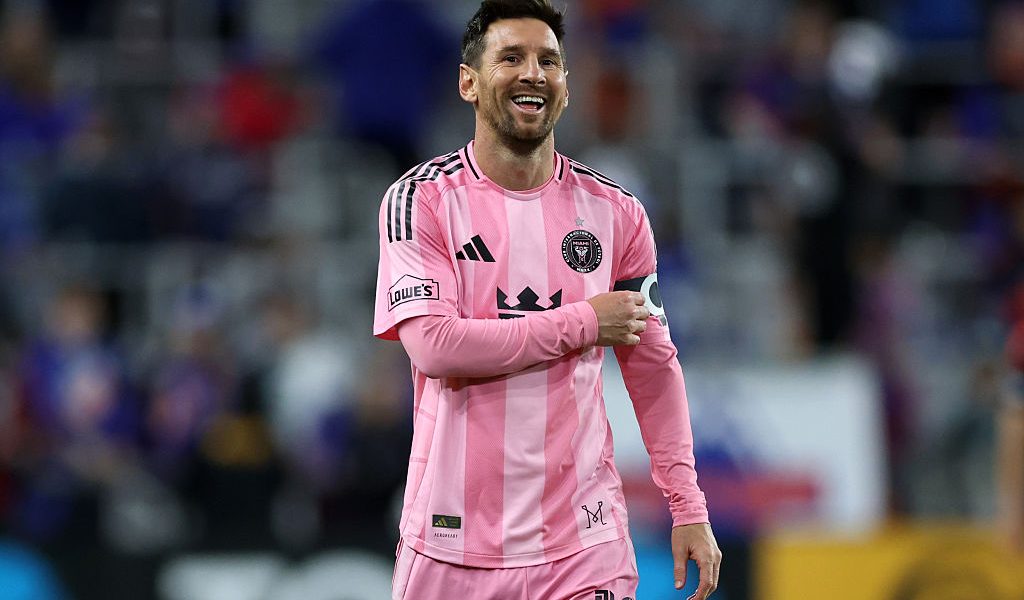
POLICY WIRE — Washington D.C. — Lionel Messi scored a hat-trick for Inter Miami on Wednesday night. It’s a fact that made headlines, sure, but what really warrants closer scrutiny isn’t just the Argentine maestro’s uncanny ability to defy the calendar — it’s the invisible strings his boots are pulling across hemispheres, right up to the very corridors of international diplomacy and global economics. Because this isn’t simply a sports story; it’s a strategic maneuver, cloaked in turf and cheers, impacting far more than mere league standings. It’s about American soft power, burgeoning markets, — and the subtle, ongoing contest for cultural sway.
His recent spree, capping off a remarkable three-game run that saw five goals and four assists (pretty darn good for a guy folks once said was past his prime), has undeniably turbocharged interest in Major League Soccer (MLS). Suddenly, an American league—long overshadowed by European titans—is on everyone’s digital lips. But don’t misunderstand the clamor; it’s not just about Messi making Miami trendy. It’s about how that trend ripples, from broadcast rights negotiations to future investment flows, painting a clearer picture of Uncle Sam’s quieter diplomatic outreach.
“Messi’s presence isn’t just filling stadiums, it’s transforming the narrative around American football,” remarked Mark Cuban, owner of the Dallas Mavericks and an outspoken figure in sports business, during a recent media briefing. He added, with his typical bluntness, “You’ve got viewership spiking in regions that barely registered MLS before. We’re not just selling tickets; we’re exporting a piece of American cultural experience now, wrapped in a Latin American hero. That’s value, folks – real, tangible value that you can’t get from a trade deficit report.” His observation cuts through the fanfare, landing right on the bedrock of economic and cultural exchange.
Indeed, the numbers are starting to bear this out. One analysis by Nielsen Gracenote suggests that global viewership for MLS games involving Inter Miami has seen an astonishing 75% increase year-over-year since Messi’s arrival, drawing particularly strong spikes from developing markets in Asia and the Middle East. It’s an undeniable fact — these weren’t traditional MLS strongholds. And that, right there, is the strategic play.
For nations like Pakistan, where football’s popularity has steadily climbed despite cricket’s historical dominance, Messi’s transfer represents an accessible entry point into the US sporting landscape. His face is plastered on billboards in Lahore, his highlights endlessly replayed in Karachi tea houses. It’s an almost accidental byproduct of his fame, yet one the US government, always keen on cultivating goodwill, certainly won’t ignore. Cultural exchange through sports is cheap, effective diplomacy. A shared love for the game, especially when featuring arguably its greatest living practitioner, bypasses a thousand diplomatic communiqués. It’s a connection forged in emotion, not policy. You can’t put a price on that, but you can certainly leverage it.
“We’ve seen an uptick in applications for sports exchange programs, even youth football camps, from students across South Asia since Lionel made the move,” stated Mariana Rodriguez, Argentina’s Cultural Attaché to the United States. She continued, “It’s remarkable, really. His impact transcends the sport. He’s become a cultural ambassador, whether he realizes it or not, bridging continents — and generations. It’s an invaluable contribution to global understanding, not just for Argentina, but for the entire American sporting ecosystem now.”
📄 POLICY WIRE WHITEPAPER PUBLISHED: PAKISTAN'S NATIONAL SECURITY POLICY PRIORITIES
👉 READ BY CLICKING HEREWhat This Means
The implications of Messi’s sojourn in the US stretch beyond the athletic arena. Economically, his drawing power has prompted a fresh look at MLS valuations and broadcast deals, particularly for streaming services vying for global reach. His presence, as one recent Policy Wire analysis explored, is forcing traditional sports entities to recalibrate their international marketing strategies. But it’s the geopolitical angle that’s perhaps most fascinating, if subtle.
By bringing one of the world’s most beloved figures to play weekly on American soil, the U.S. bolsters its soft power credentials. It demonstrates an openness, a global ambition that competes—without explicit politicking—with the cultural influences projected by rival nations. For Muslim-majority countries, many of which are fiercely passionate about football, Messi in the MLS can cultivate a more favorable view of America as a cultural hub, potentially paving the way for broader partnerships down the line. It’s a long game, played out not with missiles, but with perfectly curled free-kicks. It won’t solve geopolitical impasses overnight, of course. But it does build bridges, however slender they might seem. And sometimes, those slender bridges are what you need to start walking.