


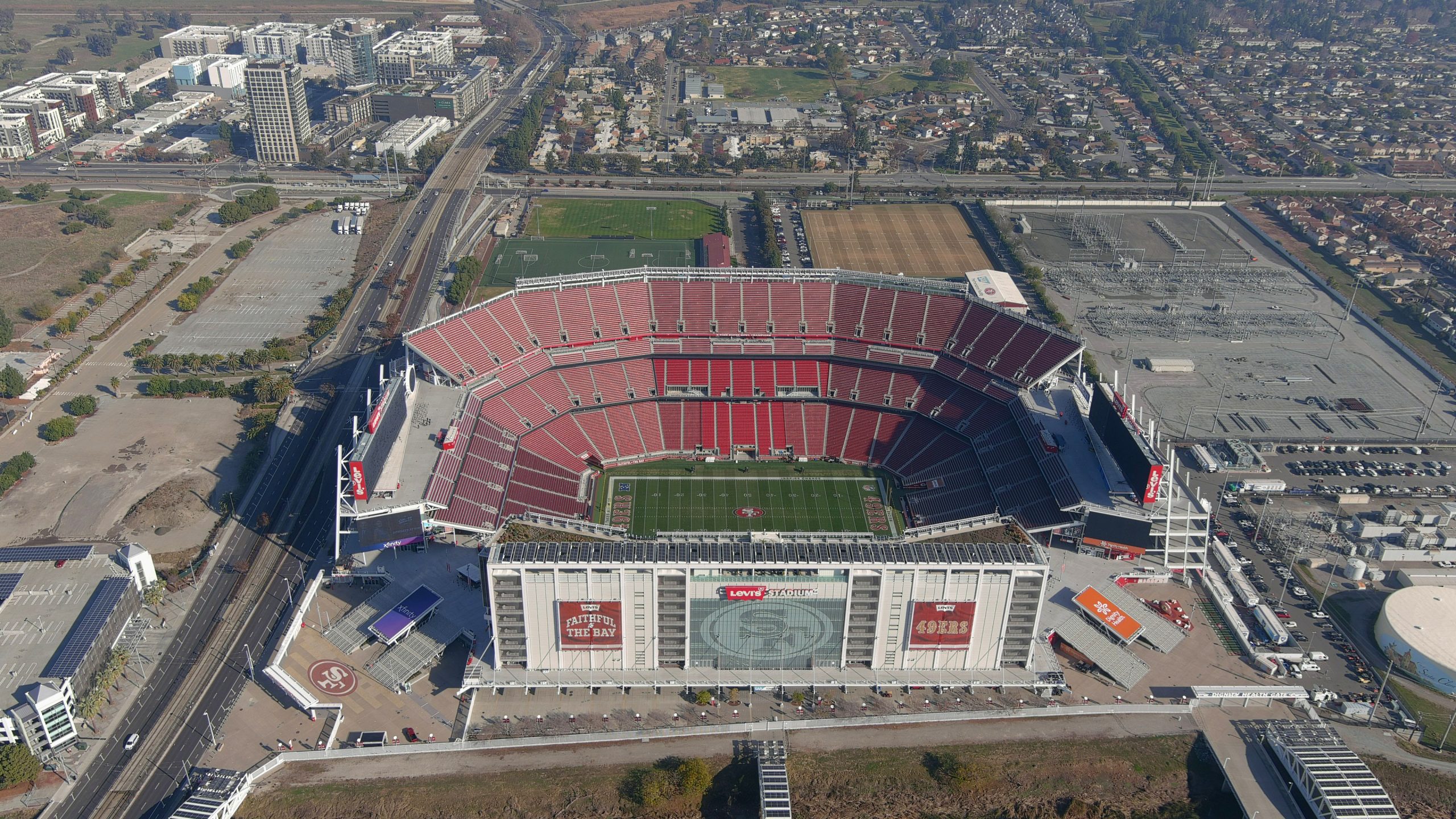
Gridiron Galleons: NFL Charts Global Conquest as 49ers Tackle Antipodean Opener and Mexico City Bout
POLICY WIRE — New York, United States — It’s less a professional sports calendar and more an audacious cartographical exercise: a crisscrossing, hemisphere-hopping testament to American football’s...

POLICY WIRE — New York, United States — It’s less a professional sports calendar and more an audacious cartographical exercise: a crisscrossing, hemisphere-hopping testament to American football’s unyielding global ambitions. Forget gridiron heroics for a moment; what the National Football League (NFL) unveils annually is, at its cynical core, a brutally efficient market expansion blueprint—with players and their well-being, naturally, a distant second to network ratings and sponsorship dollars.
And nowhere is this clearer than in the emerging details of the San Francisco 49ers’ 2026 schedule, leaked piecemeal from various corners of the sports-industrial complex. We’re talking Australia, for Christ’s sake. The opening kick-off, as word has it, will land not in California sunshine but in the chilly dawn of a Sydney spring—the Rams playing ‘host’ (read: sacrificing home-field advantage for a fat check) against the Niners on September 10th. The sheer audacity of a Week 1 fixture nearly 7,500 miles from the nearest rival NFL city tells you everything you need to know about where this league’s priorities truly lie. But that’s not even the half of it.
Because just a few weeks later, Kyle Shanahan’s squad—presumably after adjusting to time zones, international culinary choices, and the general misery of elite travel—is penciled in for an engagement in Mexico City, a familiar altitude-defying locale for NFL ventures. These aren’t quaint overseas exhibition games anymore; they’re bona fide regular season contests, impacting playoff races and athlete longevity. The schedule release this week isn’t merely about who plays whom; it’s about where the American corporate sporting leviathan next plants its flag.
Roger Goodell, the NFL’s long-serving commissioner, rarely misses an opportunity to trumpet the league’s global reach. “We’re not just selling touchdowns anymore,” Goodell quipped recently to a closed-door gathering of owners, as reported by an associate. “We’re selling a global experience, bridging continents through sport—and unlocking previously untapped consumer bases. It’s an open-ended strategic play, truly.” A shrewd observation, if one tinged with the unmistakable aroma of maximizing shareholder value. Jed York, the 49ers’ CEO, when pressed on the logistics, offered a telling pragmatism: “Sure, it’s a hell of a travel log for the team, demanding incredible operational foresight. But the brand visibility—the market penetration in these crucial growth regions—it’s too immense to ignore from a business standpoint. We’re simply following the market.”
Indeed they’re. The NFL isn’t just looking for casual viewers; it’s chasing deeper market integration. The spectacle of millions tuning in isn’t enough; it demands local fan bases, merchandise sales, — and partnerships. Last year’s Thanksgiving Day game, for instance, pulled in a staggering 57.23 million viewers, according to Nielsen data reported by CBS Sports—a testament to its entrenched domestic appeal. Now, they’re trying to replicate that raw viewership across hemispheres. And it isn’t an isolated American phenomenon; similar maneuvers are afoot globally, as even nations like Pakistan and those across South Asia eye sports, including everything from cricket leagues to burgeoning esports, as channels for both soft power and hard currency. While Riyadh pours billions into European football, and the International Cricket Council eyes the subcontinent for its next boom, the NFL, ever the American giant, maps out its own audacious, hemisphere-spanning agenda. It’s all gridiron diplomacy, on steroids.
Back in the less exotic confines of North America, the rest of the 49ers’ 2026 slate promises its usual complement of bruising NFC West rivalries against Arizona, Seattle, and those aforementioned Rams. And it includes what’s considered one of the easier schedule strength metrics overall. The NFC East and AFC West loom large, meaning battles against powerhouses like the Kansas City Chiefs and the Philadelphia Eagles are baked in. But you wouldn’t know it from early projections: oddsmakers, bless their predictive hearts, have the 49ers’ win total pegged at a comfortable 10.5, hinting at a favorable path despite the global commutes.
What This Means
This global expansion isn’t simply about getting more eyes on the game; it’s an economic strategy with political undercurrents. By aggressively planting flags in territories like Australia and Mexico, the NFL isn’t just seeking new revenue streams—though that’s certainly paramount. It’s also attempting to forge cultural footholds, essentially leveraging the universal language of sport to deepen commercial ties and influence perceptions abroad. Think of it as a soft power projection, an American cultural export arriving not on cargo ships, but via chartered jets laden with millionaires in pads. The financial impact for host cities is often a temporary surge in tourism and media attention, but for the league, it’s about long-term market cultivation. It’s a calculated gamble on building global brand loyalty, turning casual viewers into passionate consumers, and extracting maximum value from every corner of the planet that can sustain the operational cost. The danger, of course, is burnout—not just for players, but for a global audience whose attention is increasingly fragmented. Will these far-flung expeditions pay dividends, or will the NFL’s expansive reach eventually overstretch its grasp?
It’s a brutal landscape out there, this international sporting business. And the NFL, a league perfected for maximizing capital, doesn’t mind flying its teams across international date lines—not when there’s an untouched market waiting to be, shall we say, sacked. The schedule isn’t merely a list of games; it’s an economic policy document disguised as a sporting event, a manifesto written in flight mileage and television rights.