


Elder Statesmen, Shaky Ground: Lewandowski’s Transfer Saga Exposes Football’s Brutal Economy
POLICY WIRE — Lisbon, Portugal — Modern football, it seems, isn’t just a game of skill and tactics; it’s a high-wire act of economic calculation, where legendary names become bargaining chips...

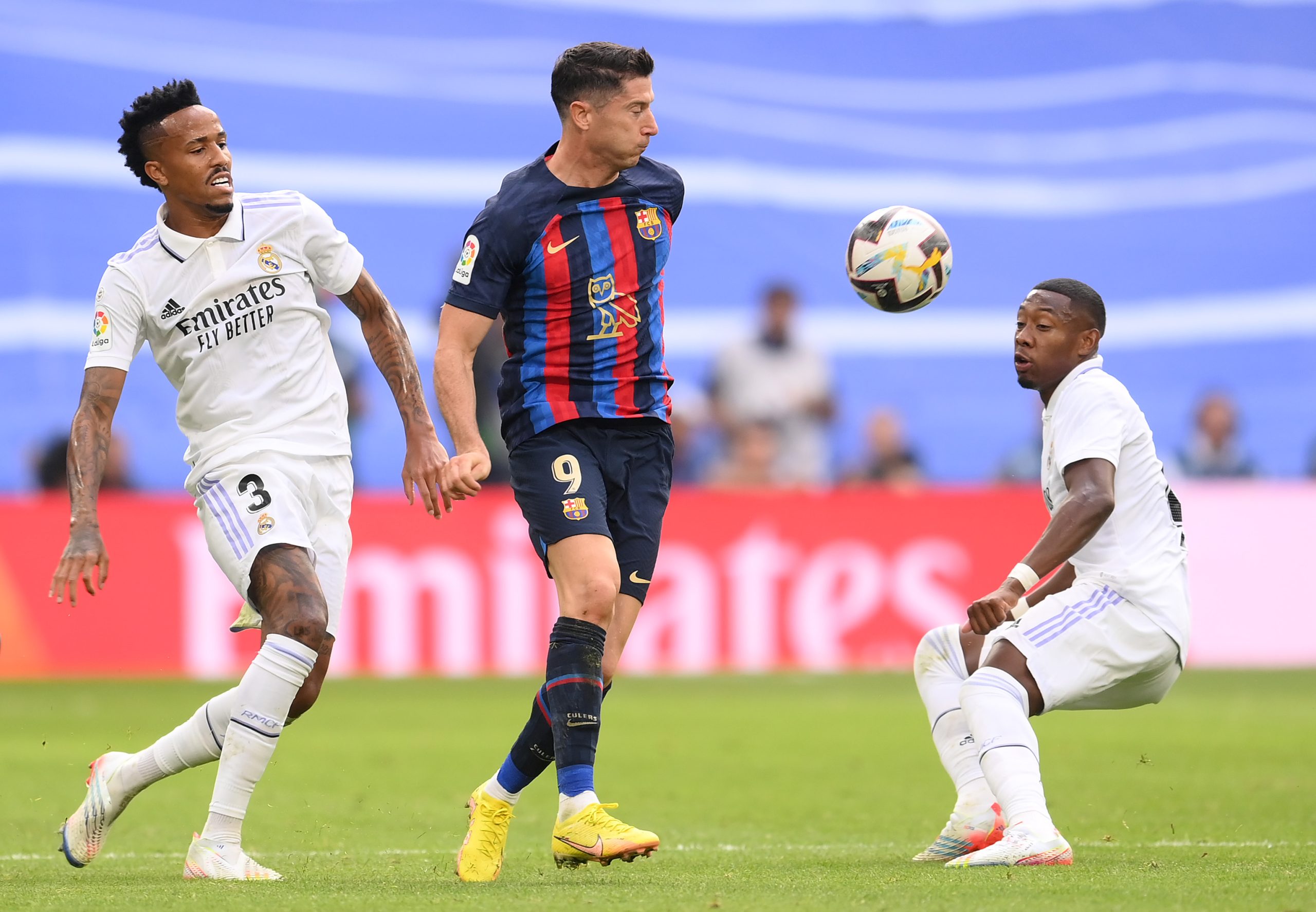
POLICY WIRE — Lisbon, Portugal — Modern football, it seems, isn’t just a game of skill and tactics; it’s a high-wire act of economic calculation, where legendary names become bargaining chips and clubs navigate a murky labyrinth of deferred salaries and strategic hesitation. Forget the simple act of signing a player. What we’re witnessing unfold around Polish striker Robert Lewandowski isn’t a mere transfer saga, it’s a masterclass in global brand management meets precarious financial planning.
Barcelona, that sprawling empire of footballing philosophy, apparently can’t quite afford its own poster boy. Whispers from Catalunya suggest they’re desperate to offload or significantly reduce the salary of a man who’s still very much a force in front of goal, reportedly seeking a contract adjustment to keep him on their books. A peculiar twist, isn’t it, for a player who, just recently, seemed to define their attacking prowess?
This financial tightrope walking leaves the door ajar, and European predators—ever hungry for that marquee signing—are circling. Juventus, the Old Lady of Turin, long synonymous with shrewd acquisition and continental dominance, has been the most vocal suitor. But even they find themselves caught in a bind, balancing the allure of Lewandowski’s golden boot with the nagging question mark over their own young prodigy, Dušan Vlahović.
“We’re building for the future, but we’re also acutely aware of the immediate need for impact,” a Juventus board member, who preferred not to be named directly but frequently speaks on club strategy, recently stated in a private discussion. “You don’t just sign a name; you integrate an entire financial proposition. That’s a decision requiring more than just instinct—it demands prudence, something the market often forgets.” His voice carried a faint, almost imperceptible hint of weariness. But this hesitancy from Juventus, it could be their undoing in a market that rewards ruthlessness.
Because while Turin deliberates, a new player has emerged from the shadows: FC Porto. The Dragons, renowned for their astute scouting and development model, aren’t typically in the business of nabbing aging global superstars. Yet, their sudden interest in Lewandowski suggests a shift, or at least a calculated deviation from their usual strategy. It’s an interesting play, considering Porto’s business model often relies on finding untapped talent, nurturing it, and then selling it on for a tidy profit. Signing Lewandowski would be an inverse strategy—an investment in immediate, undeniable celebrity.
“A player of Robert’s magnitude isn’t merely an asset for the pitch; he’s a statement, a magnet,” said FC Porto President Jorge Nuno Pinto da Costa in a brief statement to local press, his usual stoicism tempered with a rare glimmer of strategic ambition. “He elevates everything around him: our profile, our commercial appeal, — and importantly, the aspiration of our squad. We monitor every situation where such opportunity arises, regardless of traditional thinking.” His comments reveal the raw truth: it’s not just about goals anymore; it’s about brand leverage.
The transfer market, after all, is a global spectacle, where the perceived value of a player often eclipses their on-field output. This isn’t just about European fanbases either; the reach of these athletes stretches across continents. Football, a unifying force, sees its superstars followed passionately from the bustling streets of Cairo to the serene valleys of Kashmir, creating a massive, untapped market for merchandise and broadcast rights. According to a recent FIFA report, global transfer spending hit a record €7.35 billion in 2023, a figure largely driven by the pursuit of established, brand-name talent, reflecting this worldwide appeal. It’s an economy that doesn’t sleep, constantly recalculating potential returns on investment—even for players in the twilight of their careers.
Juventus, consequently, stares down a dilemma. If they wait too long to resolve the Vlahović question, they risk not only losing Lewandowski to Porto but also appearing indecisive. That kind of dithering can cost millions, not just in transfer fees, but in fan sentiment — and perceived ambition. And football, like politics, operates on perception.
The coming weeks won’t just be about Lewandowski’s choice; they’ll be about who blinked first in a high-stakes poker game that illustrates the very core of modern football’s uneasy alliance between sport and colossal commerce. It’s brutal, isn’t it?
What This Means
This brewing transfer battle isn’t just club vs. club; it’s a symptom of deeper economic forces shaping elite sports. First, it highlights the increasingly mercantile approach to player management. Barcelona’s reported desire to shed Lewandowski’s salary, despite his quality, speaks volumes about the fiscal pressures even footballing superpowers face—often due to overspending, but sometimes simply due to poor long-term financial planning. Clubs are, essentially, investment vehicles now, their players, fluctuating assets. The pursuit of a player like Lewandowski, at his age, indicates a move by some clubs (like Porto in this scenario) towards short-term, high-impact strategies designed to boost commercial appeal and provide an immediate sporting edge, rather than the traditional long-term development of talent.
Economically, it underscores the speculative nature of player values. An asset like Lewandowski, while still highly productive, represents declining resale value. So, any club acquiring him is making a conscious decision for immediate return (goals, profile, merchandise sales) rather than future capital gains from a transfer fee. It also exemplifies how even in the highest echelons of European sport, clubs from less financially dominant leagues, such as Portugal’s Primeira Liga, can occasionally disrupt the pecking order through smart strategy—or in this case, by capitalizing on the hesitation of richer rivals. It’s a subtle form of leverage in a global game, showcasing that celebrity economics applies just as fiercely on the pitch as it does in Hollywood, driving decisions based on projected reach and impact, far beyond just the athletic.