

Shadow Games: Tehran’s Gallows Speak Volumes Amid Shifting Regional Fault Lines
POLICY WIRE — Tehran, Iran — The intricate, often brutal dance of shadows between rival intelligence agencies isn’t confined to dusty archives or spy novels. No, it plays out with grim reality...

POLICY WIRE — Tehran, Iran — The intricate, often brutal dance of shadows between rival intelligence agencies isn’t confined to dusty archives or spy novels. No, it plays out with grim reality on the world stage, with each move a carefully calibrated message. So it’s that an execution in Iran — a quiet act by the state, made public with stark authority — sends shivers far beyond its borders. It wasn’t merely the taking of a life; it was a potent, visceral communiqué to adversaries both near and distant, a harsh affirmation of sovereignty in an increasingly fractured regional landscape. For years, observers have noted Tehran’s relentless campaign against perceived internal and external threats, but this latest act cuts particularly deep.
It’s a declaration. It screams deterrence. And, in a part of the world perpetually teetering on the edge, declarations like these are rarely subtle.
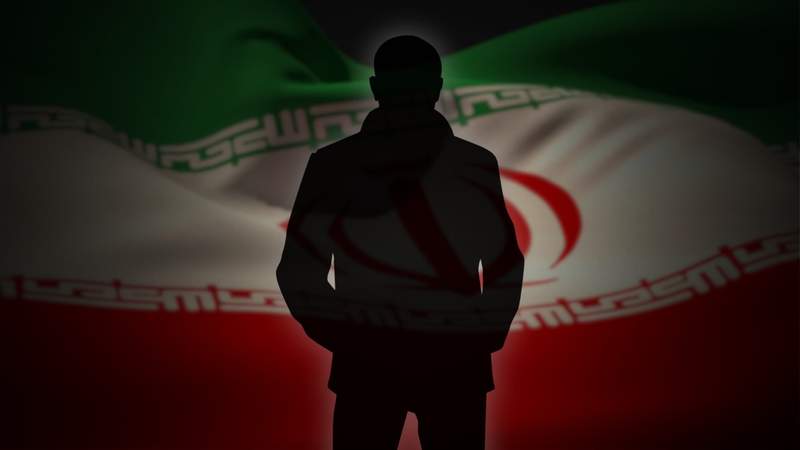
The Iranian judiciary recently announced the execution of an individual accused of collaborating with the intelligence services of both Israel’s Mossad and the American CIA. Details surrounding the alleged transgressions remain characteristically opaque, wrapped in the state’s tight narrative of national security. But for anyone tracking the Middle East, the broader context isn’t hard to grasp. This isn’t just about catching a mole. It’s about projecting unyielding resolve during a period of escalating global instability and domestic dissent, reminding everyone precisely who holds power—and what that power entails.
“Iran won’t tolerate any incursions into its national security, not from our neighbors, not from distant powers,” declared Revolutionary Guard spokesman General Abolfazl Shekarchi, his words undoubtedly meant for more than just a domestic audience. “Let this be a warning to all those who plot against our people. We will find you. We will punish you.” Such pronouncements, brimming with righteous indignation, don’t just happen; they’re meticulously crafted to resonate in capitals like Jerusalem, Washington D.C., and Riyadh.
Because, really, what’s more intimidating than an execution announcement, especially when vague details leave ample room for speculation? According to figures from human rights groups, allegations of espionage in Iran have spiked by nearly 30% in the past year alone, reflecting a tightened grip in Tehran as global pressures mount. But we’ve seen this movie before, haven’t we? This isn’t some new play; it’s a well-rehearsed act in Iran’s long-running geopolitical drama, designed to consolidate power internally while sending a stark message externally.
But the reverberations aren’t confined to the immediate sphere of US-Iran-Israel tensions. They stretch across the broader Muslim world, into places like Pakistan, where internal stability is a perpetual concern and external interference, real or imagined, often inflames domestic passions. Intelligence operations are a two-way street, and the heightened sense of suspicion emanating from Tehran impacts how Islamabad views its own strategic vulnerabilities and allegiances, particularly regarding Western overtures and regional security pacts. The ripple effect here is profound. If you’re a nation with a complex web of foreign ties, like Pakistan (always threading a needle between its Western partners, China, and its regional Muslim identity), these events serve as an uneasy reminder of just how quickly allegiances can be questioned—and lives lost.
📄 POLICY WIRE WHITEPAPER PUBLISHED: PAKISTAN'S NATIONAL SECURITY POLICY PRIORITIES
👉 READ BY CLICKING HERE“This execution marks another escalation in the protracted intelligence war that defines much of the region’s stability, or lack thereof,” observed Dr. Laleh Samadi, an independent analyst specializing in Middle Eastern geopolitics. “It tells us Tehran feels pressured, yes, but also confident enough to wield the ultimate tool of state power publicly. It’s less about one individual, really, — and more about the psychological warfare of nations. They’re making a statement about who controls what, and who sets the rules—or at least, who believes they set the rules.” It’s a sobering assessment, but one that tracks with decades of regional history.
The global security environment is one where lines are continually blurring, where non-state actors often enjoy the tacit support of nations, and where information itself is the ultimate currency. An alleged agent working for both Mossad and the CIA—if true, and we’ll likely never know the full story—speaks volumes about the layered, often contradictory, nature of espionage. You see it play out from Canada’s delicate dance with India to the murky depths of Ukraine’s drone-fueled conflicts. Espionage isn’t tidy. It never was.
What This Means
This execution isn’t an isolated incident; it’s a deliberate signal woven into Iran’s complex foreign policy tapestry. Politically, it strengthens the narrative of an embattled nation constantly fending off foreign aggressors, which plays well with its conservative base and helps to justify tighter internal controls. It tells domestic dissidents that external support is, at best, unreliable—and at worst, a death sentence. Economically, while not a direct market mover, such actions contribute to the heightened perception of geopolitical risk in Iran, making foreign investment less appealing and tightening the screws on sanctions regimes that rely on a stable operating environment. For the West, it’s a clear message: intelligence operations inside Iran come at an exceedingly high cost. For regional rivals, it’s a chilling reminder of Tehran’s capacity for ruthlessness. Ultimately, it cements an atmosphere of suspicion and hostility that doesn’t just destabilize the Middle East but keeps the entire global strategic chessboard on edge.