


The Relentless Grind: Pep Guardiola and Football’s Brutal Economy of Success
POLICY WIRE — London, UK — Forget the niceties, the romanticized ballet of the beautiful game. Modern elite football, it seems, is less a sport and more a corporate war of attrition, played out on...

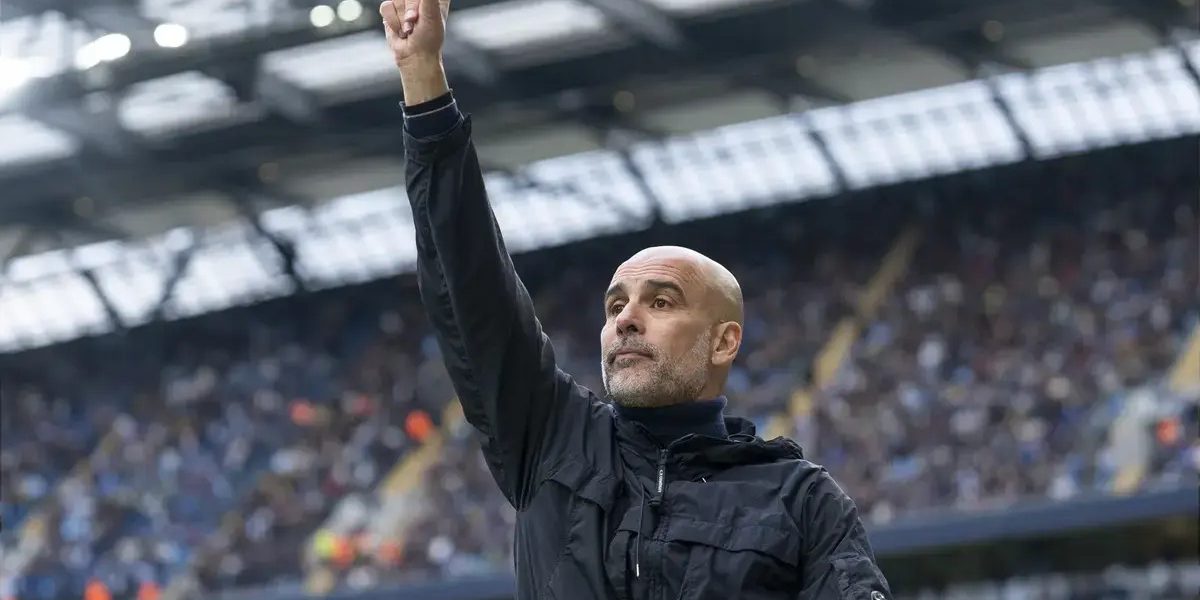
POLICY WIRE — London, UK — Forget the niceties, the romanticized ballet of the beautiful game. Modern elite football, it seems, is less a sport and more a corporate war of attrition, played out on grass pitches under blinding floodlights. A manager’s job, then, isn’t just about tactics; it’s about pushing multi-million dollar assets – his players – to the very edge of physical and mental collapse, week in, week out, for the sheer spectacle. That’s the cold, hard reality emanating from Manchester City boss Pep Guardiola, whose latest pronouncements aren’t just about another trophy push. They’re a stark window into the relentless, lucrative machine that’s the Premier League.
His recent insistence that Manchester City’s demanding schedule isn’t a burden, but a sign of privilege—a direct consequence of their consistent triumphs—strikes a peculiar chord. It’s a message that could easily be framed as tone-deaf, yet it holds a certain uncomfortable truth in a world where sporting dominance equates to staggering financial return. But he’s not complaining. That’s for other people, for smaller clubs.
“We’ve done it before; we can do it again,” Guardiola declared, echoing a mantra of self-belief that’s borderline indoctrination. And why not? It’s a line designed to resonate deeply within a squad that’s spent nearly a decade at the apex of European football, accumulating more silverware than most clubs manage in a century. They’re facing another brutal fortnight: a midweek Premier League clash against Crystal Palace, an FA Cup final against Chelsea at Wembley this weekend, then the final league skirmishes against Bournemouth and Aston Villa. Four games, two trophies potentially decided, all before the dust has settled on the current fiscal quarter. A marathon, not a sprint—a highly profitable, highly public marathon.
The manager, now 53, dismissed any hand-wringing about fixture congestion after City’s dominant 3-0 victory over Brentford. “If you’re in the final, you have this schedule,” he stated with a dry shrug, reportedly to a room full of nodding journalists. “I’d love to have the schedule of the semi-finals of the Champions League in the middle of a title race, because we’d be there.” This isn’t just about winning; it’s about perpetually being in the hunt, about maintaining the revenue streams and global brand presence that only comes with consistent, elite competition. He wasn’t wrong. According to Deloitte’s 2023 Annual Review of Football Finance, the Premier League’s total revenue for the 2021/22 season (the most recent available) stood at an eye-watering €6.4 billion ($6.9 billion USD), a testament to its unparalleled global reach and, yes, its demanding schedule.
This endless churn isn’t just for local consumption. It’s a spectacle beamed into billions of homes worldwide, including the teeming households of South Asia. In Pakistan, for instance, a Manchester City victory isn’t merely a headline; it’s a talking point in millions of chai khanas and living rooms, transcending cultural and linguistic barriers. Die-hard fans, perhaps having never stepped foot in the UK, debate formations and player performances with fervent passion. These are precisely the markets that fuel the machine, translating viewership into sponsorship deals, merchandise sales, and ever-escalating broadcast rights. It’s an economic tether, surprisingly sturdy, stretching from a Manchester stadium to Karachi.
Omar Marmoush and Phil Foden, two players highlighted by Guardiola for injecting much-needed energy into the Brentford match, aren’t just footballers. They’re interchangeable, high-performance units, critical cogs in this relentless enterprise. Their ability to deliver, even as others falter from fatigue, underpins the entire philosophy.
📄 POLICY WIRE WHITEPAPER PUBLISHED: PAKISTAN'S NATIONAL SECURITY POLICY PRIORITIES
👉 READ BY CLICKING HEREWhat This Means
Guardiola’s matter-of-fact dismissal of the grueling calendar isn’t simply the defiance of a driven manager; it’s an economic manifesto. This constant demand for peak performance, year-round, has shifted the definition of athletic achievement. It’s no longer just about talent; it’s about managing a roster of supremely conditioned athletes like a financial portfolio, ensuring every asset remains liquid and ready for deployment. The ‘privilege’ of this schedule isn’t just about the chance for trophies, but the direct corollary of hundreds of millions of dollars in television rights, sponsorship deals, and brand expansion into markets like Pakistan, where a single match can capture national attention. Because, put simply, constant visibility in high-stakes games keeps the cash registers ringing. Don’t play those games, — and you quickly become yesterday’s news. Dr. Anya Sharma, a sports economist and lecturer at the London School of Economics, observed recently, “We’re past peak football consumption; now it’s about peak football monetisation. The ‘successful’ club today is the one that has perfected the art of commodifying exhaustion.” It’s a fine line these clubs walk, between sporting glory and economic imperilment—one that, for now, City seems to manage better than most. Their trajectory has become an almost terrifying example for emerging football markets like those across South Asia’s cricket-dominated sports economy.
But there’s a darker undercurrent. The physical toll on players, often relegated to statistical footnotes or whispered concerns, raises legitimate questions about athlete welfare versus commercial imperative. A ‘relentless schedule’ sounds less like an opportunity and more like a human resources challenge in any other industry. This approach—pushing players to their physical limits, celebrating it as ‘privilege’—reveals a capitalist ecosystem where human limits are merely obstacles to be overcome in pursuit of profit and power, not just on the field, but within the larger global sporting enterprise.