


Colombia’s Bleeding River: A Post-Conflict Symphony in Stone and Color
POLICY WIRE — La Macarena, Colombia — Forget the kaleidoscope of five colors, for a moment. This particular stretch of the Colombian Llanos, where the Caño Cristales weaves its vibrant magic,...

POLICY WIRE — La Macarena, Colombia — Forget the kaleidoscope of five colors, for a moment. This particular stretch of the Colombian Llanos, where the Caño Cristales weaves its vibrant magic, wasn’t always a spectacle for eco-tourists armed with selfie sticks. For decades, it was FARC country—a dense, emerald-green sanctuary for guerrillas, hidden deep within a territory often referred to grimly as a ‘red zone.’ That scarlet, however, was usually spilled blood, not the rich pigment of algae. Now, with an uneasy peace taking root, the river’s astonishing hues symbolize something far more profound than mere botanical wonder: a fragile dividend of Colombia’s halting peace process, desperately needed and carefully guarded.
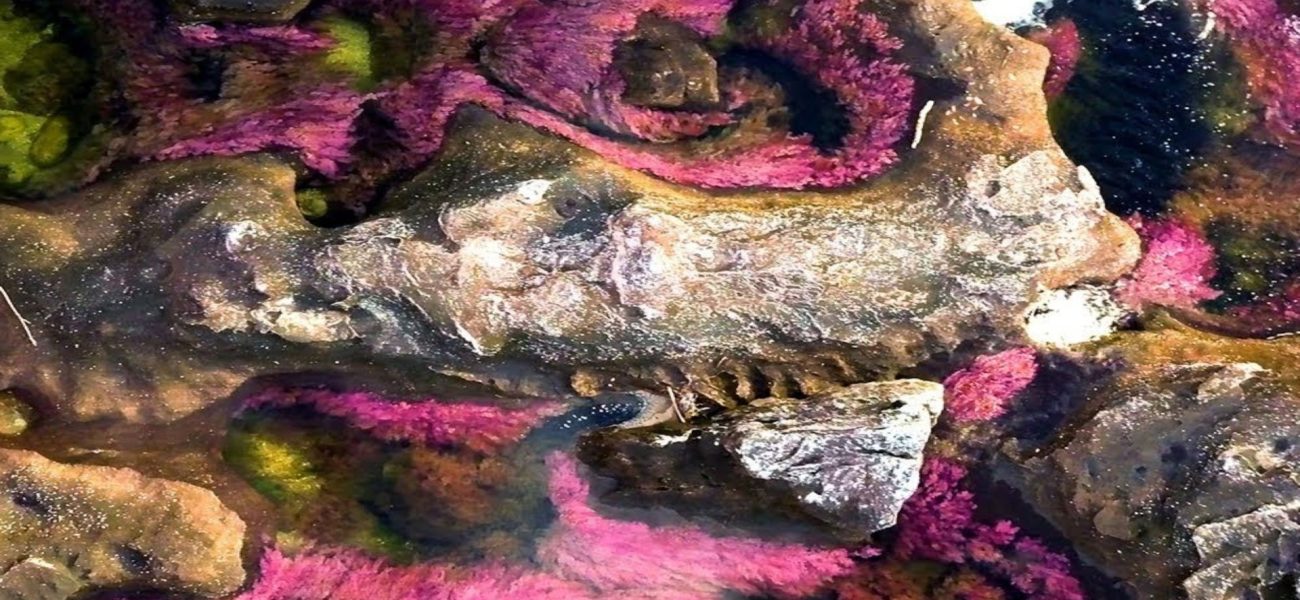
It’s an optical illusion, really, this ‘liquid rainbow.’ During a specific window between July and November, a unique plant, Macarenia clavigera, clings to the riverbed. When water levels and sunlight align just so, it bursts into an astonishing palette of reds, yellows, greens, and blues, contrasting sharply with the customary browns of most tropical rivers. Tourists, once a mythical species here, now flock—their pesos a balm on communities long suffering the indignities of conflict and isolation.
But the true marvel isn’t just nature’s brushwork. It’s the juxtaposition: a vibrant, flourishing ecosystem emerging from an area synonymous with illegal logging, illicit coca cultivation, and brutal warfare. It’s an almost cinematic arc, frankly, watching former war zones transform into adventure playgrounds. The Colombian government, after decades of fighting a seemingly endless internal war, has leaned into this narrative. “This river, it’s not just water; it’s hope bottled up,” stated Luis Murillo, Colombia’s Minister of Environment and Sustainable Development, during a recent press conference (an event I assure you, was significantly less colorful than the river itself). “It’s a symbol that even after the deepest conflicts, our land, — and our people, can recover and thrive.”
And thriving is what they need to do. Because the economic implications are stark. The department of Meta, where La Macarena sits, saw its tourism revenue climb by an estimated 120% in the five years following the 2016 peace accord, according to data from the Colombian Ministry of Commerce, Industry, and Tourism. That’s real money trickling down, employing former combatants in legitimate roles, and offering young people alternatives to the cartels or militias that once dominated their prospects. The region, once accessible only by small aircraft risking rebel fire, now sees regularly scheduled commercial flights.
Still, not everyone views the influx through rose-tinted glasses. Local elder María Estela López, whose family has lived by these waters for generations, puts it plainly. “It’s good to see new faces, new money,” she told me, her eyes fixed on the distant hills that still hold a ghost or two for her. “But we worry, too. They say peace is here, but the jungle, it still hides things. And how much tourism is too much? We don’t want to love our river to death, do we?” She’s got a point. Balancing economic growth with fragile environmental preservation in an area still prone to a quick re-escalation of violence? That’s a tough tightrope.
📄 POLICY WIRE WHITEPAPER PUBLISHED: PAKISTAN'S NATIONAL SECURITY POLICY PRIORITIES
👉 READ BY CLICKING HEREThis isn’t an isolated phenomenon, mind you. Around the globe, regions grappling with chronic insecurity often see their natural treasures held hostage by conflict. Think of the northern areas of Pakistan, for example, where stunning mountain vistas and ancient cultures are often bypassed by international visitors, victims of a geopolitical chessboard more focused on troop movements than eco-tourism. They’re facing similar quandaries: how to unlock potential without compromising security or selling off the local heritage cheap.
What This Means
The saga of Caño Cristales provides a microcosm of Colombia’s post-conflict struggle—a precarious dance between natural heritage, economic development, and lingering insecurity. It demonstrates a global trend, frankly: peace, when it finally arrives, isn’t some instantaneous flourish of prosperity; it’s a grind. Here, it’s about converting the notoriety of war into the allure of ecotourism. But this reliance on such a specialized form of tourism—highly dependent on seasonal conditions and sustained security—is inherently fragile. It also places immense pressure on a pristine environment. Policymakers, therefore, aren’t just selling a destination; they’re peddling a fragile narrative of redemption, a risky venture where any stumble in security could immediately scare off the tourist dollars and plunge these communities back into despair. The government’s challenge isn’t merely attracting visitors; it’s ensuring the peace dividend trickles broadly, fairly, and sustainably, preventing a backlash from locals who might feel alienated or exploited. And they’d better manage it with foresight. Because this river, for all its beauty, is ultimately a mirror reflecting Colombia’s ongoing, complicated negotiation with its own past and future.