


Shadow of Hormuz: Asia’s Breadbasket Braces for Invisible Economic War
POLICY WIRE — Singapore City, Republic of Singapore — Forget the thunder of bombs; sometimes, the most brutal wars are fought in quiet corridors—those teeming digital highways where insurance...

POLICY WIRE — Singapore City, Republic of Singapore — Forget the thunder of bombs; sometimes, the most brutal wars are fought in quiet corridors—those teeming digital highways where insurance underwriters fret over spreadsheets. In the shadowy wake of escalating tensions between American-Israeli maneuvers and Iran, the true casualties aren’t just vessels hit, but unseen economic lifelines already being severed. Shipping through the Strait of Hormuz hasn’t collapsed into chaos in a sudden blaze, but it’s curdling, slowing, becoming a liability for any captain, any firm—and that, dear reader, means food. The next crisis isn’t coming; it’s already here, silently seeping into the global food system through spiked freight tariffs, spiraling fuel costs, and grotesque insurance premiums. But it’s not the fireworks we should fear; it’s the invisible chokehold.
It’s an almost perverse form of pre-emptive strike, isn’t it? Long before any kinetic action might fully erupt, the very *threat* of it acts as a de facto blockade, an invisible hand on the spigot of world commerce. When Washington and its allies crank up the heat on Tehran, the immediate consequence isn’t always diplomatic breakdown; it’s maritime lawyers working overtime. Because it’s these escalating costs, primarily for insurance (which, I might add, can now constitute up to 10% of a vessel’s operational expenditure through the strait, a figure nearly unheard of a year ago, according to Lloyd’s List Intelligence), that get directly tacked onto every ounce of oil, every metric ton of grain, every bag of urea that still braves the treacherous waters. And that expense? It doesn’t disappear; it gets passed right down the line.
Because the Strait isn’t just another shipping lane. It’s the jugular of global energy — and an increasingly important vein for agricultural inputs. It ferries about one-third of the world’s seaborne crude oil, a fifth of its liquified natural gas, and an unquantifiable but significant chunk of the planet’s fertilizers, phosphates, and potash—raw ingredients for feeding billions. Disruption here isn’t a ripple; it’s a tsunami in slow motion, stealthily washing over distant markets, from Rotterdam to Karachi.
But Washington’s calculus, bless its persistent heart, often glosses over such mundane realities. “America maintains its unyielding commitment to freedom of navigation in international waters,” stated U.S. Under Secretary for Economic Affairs, Janet Powell, with a practiced diplomatic furrow. “And while we acknowledge market reactions, global stability occasionally demands firm, unambiguous stances.” Translation: someone’s gotta take the hit, and it won’t be them.
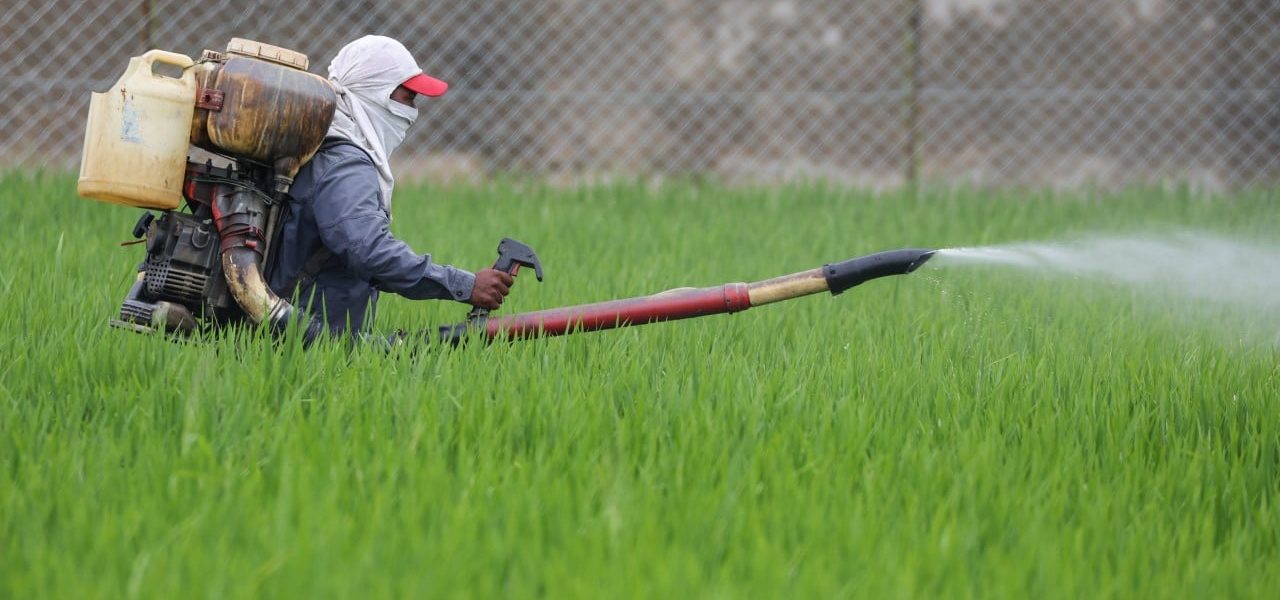
And boy, are some places taking it. Consider Pakistan, for instance, a nation already perpetually balancing on the knife-edge of fiscal viability. Heavily reliant on imported food staples and—you guessed it—fertilizer to shore up its own agriculture, the incremental increases reverberate through its fragile economy like cannon fire. Every cent added to the price of urea is a tightening knot around the average Pakistani household’s budget, a cruel squeeze on food affordability. “We’re not discussing marginal price adjustments anymore; this is about sustaining life for millions,” pleaded Dr. Ayesha Khan, Pakistan’s Minister for National Food Security, her voice etched with weary resignation, during a recent Islamabad press briefing. “Our populations simply cannot absorb these cascading shocks.”
This isn’t an isolated lament, mind you. But similar concerns echo from Jakarta to Dhaka, from Manila to Mumbay. For countries like these, where vast populations cling to precariously stable livelihoods, rising input costs mean farmers pay more to grow food, which means consumers pay more to eat it. And if they can’t pay? Well, hunger’s an old story in this part of the world, just waiting for a fresh opportunity. Because it always seems that the places least responsible for geopolitical chess matches are the first to get checkmated by their economic fallout.
📄 POLICY WIRE WHITEPAPER PUBLISHED: PAKISTAN'S NATIONAL SECURITY POLICY PRIORITIES
👉 READ BY CLICKING HEREWhat we’re seeing is the silent unraveling of assumptions. The assumption that global supply chains, though stressed, would generally endure. The assumption that food — and energy, though commodities, wouldn’t be quite so profoundly weaponized by fear itself. It forces difficult questions about national stockpiles, about finding alternative sourcing—expensive, complex undertakings in the best of times. This current mess? These aren’t the best of times.
What This Means
The geopolitical tremors emanating from the Middle East, even in their latent state, are sending a chilling message: security comes with a rapidly appreciating price tag. Politically, expect to see increased internal instability in nations struggling with food inflation, potentially fueling social unrest and putting pressure on fragile governments. This situation could also accelerate regional initiatives aimed at food sovereignty and reducing reliance on global supply chains—even if impractical in the short term. It’s a wake-up call for nations to reassess their dependency on external players and volatile shipping routes. Economically, we’re witnessing the stealthy onset of global stagflation, particularly hitting import-dependent economies. Higher input costs—from energy to fertilizers—will squeeze profit margins for producers, raise consumer prices, and likely exacerbate existing sovereign debt crises in the Global South. And we could also see renewed urgency for alternative transit corridors and a serious boost for commodity speculators betting on prolonged instability.
This isn’t about grand declarations or heroic stands. It’s about the grubby reality of daily life, about rising grocery bills, about farmers watching their thin margins disappear. The ‘war’ in Iran, if you want to call it that, might not even need a single missile launch to inflict its deepest wounds. It’s already doing it, one soaring freight bill at a time. And frankly, the global north won’t feel the pinch nearly as much as the billions in Asia who can least afford it. Isn’t that just dandy?