

Sky-High Fuel Costs: The Geopolitical Price Tag on Global Aviation
POLICY WIRE — Washington D.C., USA — That discount transatlantic flight you snagged last year? Don’t hold your breath for a repeat. The rumbling isn’t just your stomach; it’s the...

POLICY WIRE — Washington D.C., USA — That discount transatlantic flight you snagged last year? Don’t hold your breath for a repeat. The rumbling isn’t just your stomach; it’s the ominous hum of a global aviation industry facing unprecedented fuel costs. Nobody’s whispering it anymore, everyone’s shouting: the proxy wars in the Persian Gulf, particularly the lingering Iran situation, have tossed a wrench into the delicate machinery of international commerce and travel. The consequences, you see, stretch far beyond just the military front lines; they hit squarely in your pocket, right there, at the boarding gate.
For weeks, industry analysts have watched, aghast, as what was once a relatively stable line item in an airline’s budget ballooned into an existential threat. According to a recent industry brief from the International Air Transport Association (IATA), geopolitical flare-ups in the Persian Gulf have, in some instances, pushed spot jet fuel prices to more than double their pre-conflict levels in key trading hubs, translating directly to higher operational outlays. We’re talking billions, here, in extra expenses for carriers who already run on notoriously thin margins. And, because that’s just how global economics works, that cost doesn’t evaporate. It trickles down, or rather, it splashes down, onto everyone.
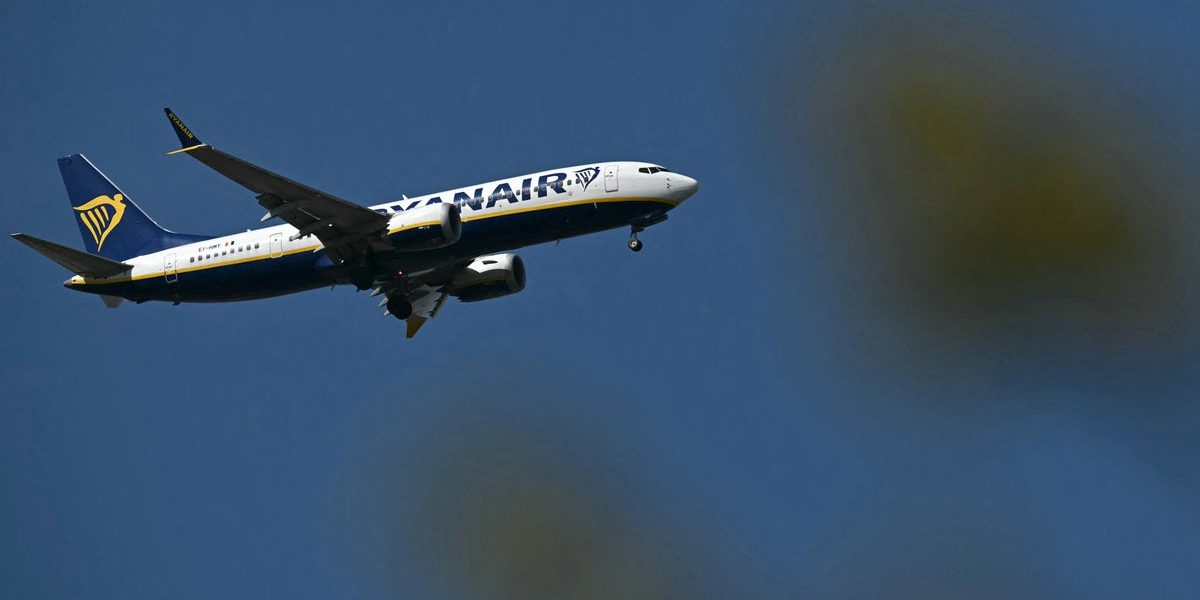
Consider the typical commercial jet. It guzzles fuel like a thirsty beast. When the cost of feeding that beast suddenly leaps, airlines have a few unpleasant choices: jack up ticket prices, trim routes, or—and this is the desperate gamble—pray for a swift resolution that just isn’t appearing. You’re already seeing the creep, aren’t you? Fares aren’t just a little higher; some routes are approaching luxury-item pricing for your average family.
“We’re operating in an environment of extreme volatility,” stated Ahmed Khan, CEO of AirBlue, a prominent carrier in South Asia, during a recent press conference. “This isn’t about tightening belts; it’s about rethinking our entire network strategy. Pakistan, for instance, relies heavily on air travel for both cargo — and the millions of expatriates working abroad. These rising costs threaten the economic viability of routes that are, frankly, lifelines. Passengers will pay, or essential flights simply get cut. It’s that simple, but the consequences aren’t.” He didn’t mince words. Couldn’t, really.
But it’s not just the ticket price. Cargo is affected, too. From pharmaceuticals to electronics, everything that moves by air sees its cost of transport spike. This invariably squeezes supply chains, making goods more expensive for the end-consumer. It’s inflation’s ugly cousin, sneaking in through the back door of a fuel tanker. And in a region like South Asia, with economies highly dependent on imported goods and international trade, these shocks reverberate with particular severity. Nations, many of them in the Muslim world, are already navigating their own domestic challenges—this just piles it higher. You can’t just wish away geography — and dependence on the Persian Gulf for energy imports, can you?
📄 POLICY WIRE WHITEPAPER PUBLISHED: PAKISTAN'S NATIONAL SECURITY POLICY PRIORITIES
👉 READ BY CLICKING HERE“The Red Sea isn’t just a shipping lane; it’s the throat of the global energy supply,” Dr. Eleanor Vance, a veteran geopolitical energy analyst with the Atlantic Council, observed tartly. “And right now, it’s pretty choked up. Every perceived escalation, every Houthi attack, every diplomatic failure between Iran and its regional rivals, adds a dollar to the price of a barrel. And that dollar metastasizes into ten for jet fuel, impacting everyone from the family flying to see grandma to the price of rice on an overseas flight. We’re seeing geopolitical posturing play out directly in market costs. This isn’t an isolated event; it’s a strategic blow to the global economy.” Her assessment rings true. For more on the intricate dance of regional powers, one might consider the implications of India’s shifting missile diplomacy and its potential ripple effects.
Airlines are already casting desperate glances toward sustainable aviation fuels (SAF), but that’s a long game. The infrastructure isn’t there yet. Production isn’t scalable enough to replace the millions of barrels of conventional jet fuel burned daily. It’s a bit like swapping out a jumbo jet for a bicycle. Good idea, eventually, but not today.
What This Means
The persistent volatility in jet fuel prices, primarily fueled by Middle Eastern conflicts, carries deep economic and political ramifications. Economically, it suggests sustained inflationary pressures on consumer goods and travel, potentially throttling economic growth in trade-dependent nations. We could see a reduction in leisure travel and increased costs for essential services like air freight, exacerbating existing supply chain frailties. Politically, the situation intensifies pressure on governments to secure stable energy supplies, pushing them towards difficult diplomatic balancing acts in an already combustible region. It also highlights the growing interconnectedness of global markets with regional security; a tremor in the Gulf isn’t just local news—it’s a global headache, influencing everything from parliamentary debates to your next holiday budget. It’s a grim reminder that instability isn’t contained, not really.