


Madrid’s Emperor Has No Clothes: Inside the Fight for a Tarnished Soul, Not Trophies
POLICY WIRE — Madrid, Spain — It’s a strange beast, power. And a stranger beast, an institution that wields it—but suddenly finds itself asking existential questions, not tactical ones. Think of a...

POLICY WIRE — Madrid, Spain — It’s a strange beast, power. And a stranger beast, an institution that wields it—but suddenly finds itself asking existential questions, not tactical ones. Think of a titan, one of history’s most decorated empires, choosing to focus on therapy sessions for its lieutenants rather than recruiting fresh legions. That, in essence, is the bizarre, fascinating tableau unfolding at Real Madrid.
For decades, their narrative has been clear: sign the best, win everything, maintain an air of invincibility. It’s what built their global following, reaching from the sprawling metros of Europe to the remotest chai stalls in Karachi. But now? We’re hearing talk of ‘rebuilding character.’ A cultural cleansing. Apparently, buying another world-class striker simply won’t fix what’s truly broken in the hallowed Santiago Bernabéu locker room. They’ve found a new obsession: their soul. And honestly, it’s about time.
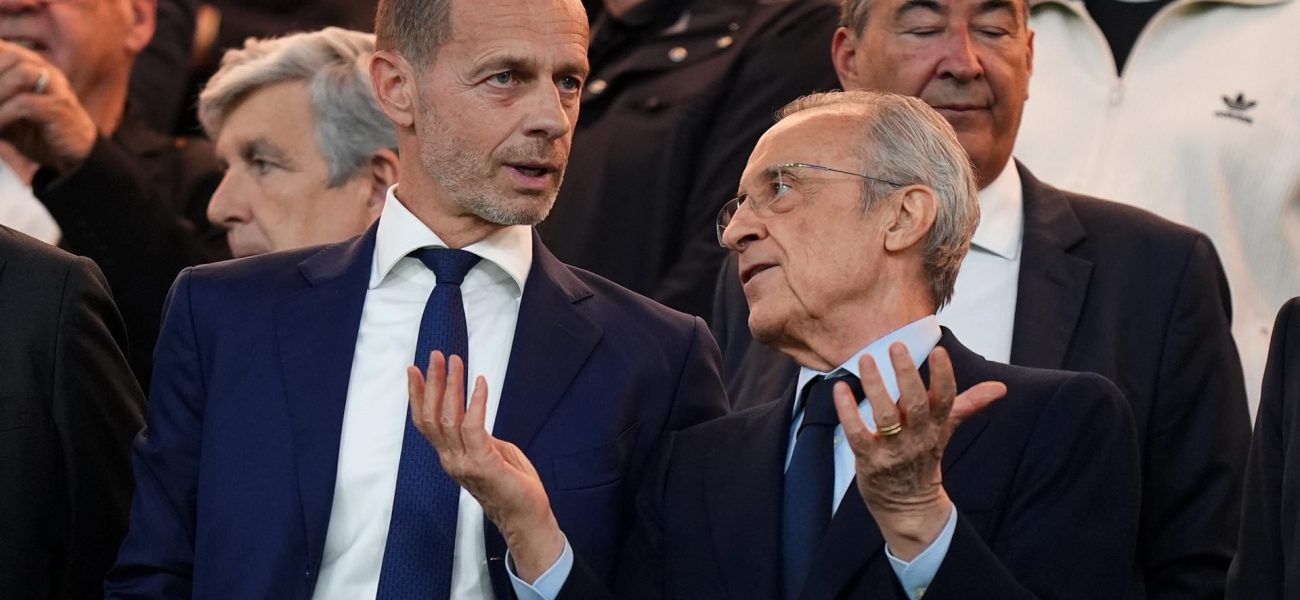
The murmurs of decline, they’ve become a roar. Two seasons without major silverware might feel like a minor blip for lesser clubs, but for Real Madrid? It’s an affront. But beneath the shiny, championship-less surface, the administrators – led by the seemingly unshakeable Florentino Pérez – realize this isn’t just a sporting slump. It’s a rot. Stories have leaked of internal skirmishes escalating to physical altercations—hospital visits, even—and a player-centric environment where respect for the manager often feels optional. A collective narcissism, some whisper, has begun to eat at the very foundations.
But they’re changing tack. That’s the real kicker. Pérez — and his high command initially leaned towards splashing cash, of course; it’s always been their modus operandi. Get the biggest names, throw them into the gladiatorial arena, watch them win. But this time, it seems, cooler, — and frankly, more terrified, heads prevailed. Reports from outlets like Diario AS suggest the mission has radically shifted. It’s no longer about collecting shiny pots but about re-establishing the foundational values the club has, at least in myth, always upheld: discipline, unity, and an almost militant work ethic.
“We’ve learned that trophies gather dust, but a tarnished legacy—that endures,” President Pérez, a man rarely seen without a stoic visage, is understood to have remarked privately. “Our brand isn’t just about what’s on the pitch; it’s about what we stand for. We must protect that, at any cost.” And frankly, you can’t argue with him. Because when the perception shifts from regal champions to a squabbling, entitled bunch, that global brand, the very essence of ‘Madridismo,’ starts to fray.
According to sources like Diario AS, a staggering three-quarters of the squad—save for a mere nine players—have reportedly been entangled in clubhouse squabbles or worse. Imagine that. Nearly an entire team unable to escape the internal friction, an overwhelming sense of discord. They aren’t just losing games; they’re losing the plot, too. That kind of internal bleed, it’s not just bad for morale, it’s deadly for sustained excellence. It’s the sign of a flailing empire, truly.
“This club, it used to demand more than talent. It demanded character,” says a prominent figure, rumored to be Zinedine Zidane, who has a storied history with the club as both player and coach. “If the changing room loses that, well, you don’t win just with brilliant feet, do you? It’s deeper than that, far deeper.” You hear this sort of sentiment repeated all over—from analysts in London to impassioned pundits in Lahore. Everyone watches the ‘Galacticos,’ — and everyone, it seems, is disappointed in what they’ve become. Forget the transfer market for a moment; these folks are eyeing something much more fundamental.
What This Means
This dramatic recalibration at Real Madrid isn’t just sports news; it’s a case study in institutional governance, one with uncomfortable parallels across diverse sectors, including political ones. What it says is this: success, especially of the opulent, dominating kind, can mask profound internal decay for a long time. For Florentino Pérez, the club isn’t merely a football team; it’s a global corporation, a cultural export, almost a soft-power diplomatic tool. Its perceived lack of discipline doesn’t just hit balance sheets, it chips away at a carefully curated image projected globally—a critical element for its substantial fanbase in the Muslim world, where hero worship often intertwines with aspirational values.
The priority shift reveals an uncomfortable truth: raw talent, or simply ‘big spending,’ can’t compensate indefinitely for a breakdown in core values or organizational cohesion. Nations, like clubs, sometimes find that projecting strength abroad while festering with internal corruption or tribalism at home is a losing game. The economic implications are also real. A damaged brand, one associated with petulance rather than prestige, loses sponsorship appeal, merchandising value, and, most importantly, the fervent loyalty of its consumer base. Pérez isn’t just fixing a team; he’s trying to stabilize a transnational identity, acknowledging that a hollowed-out cultural core is ultimately a much more expensive problem than any single trophy can solve.
For now, summer transfer sagas take a backseat. Because sometimes, the biggest battle isn’t for external glory, but for what you see in the mirror. And right now, Madrid doesn’t much like its reflection.