


Inferno on the Indus: South Asia’s Scorch Blurs Lines of Survival, Responsibility
POLICY WIRE — Islamabad, Pakistan — The air in South Asia doesn’t just hang heavy these days; it simmers. It crackles. The mercury, you see, isn’t simply climbing—it’s clawing its...

POLICY WIRE — Islamabad, Pakistan — The air in South Asia doesn’t just hang heavy these days; it simmers. It crackles. The mercury, you see, isn’t simply climbing—it’s clawing its way towards uninhabitable, turning everyday existence for millions into a grim exercise in endurance. This isn’t just a weather report; it’s a dispatch from the front lines of an unfolding, slow-motion catastrophe.
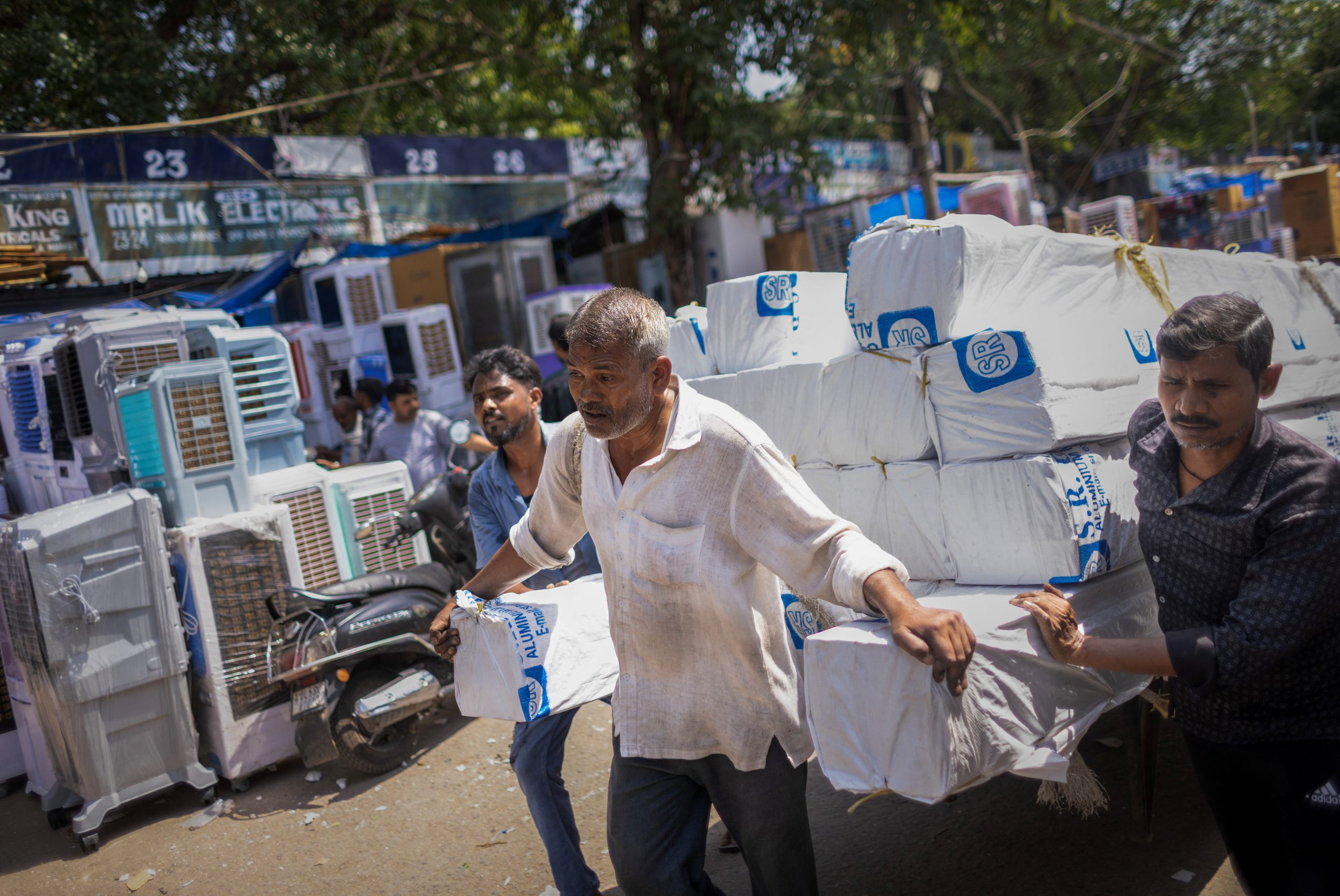
Because, really, when was the last time mere sunshine triggered such widespread panic? What we’re witnessing isn’t an annual summer nuisance; it’s a full-blown existential siege. Lahore, Delhi, Karachi—these sprawling metropolises are baking under temperatures that flirt, and sometimes outright cheat, with 50 degrees Celsius. Life slows to a crawl, then to a desperate pant. Power grids groan. Water trickles, or just stops. And the collective breath, it feels, is held hostage by a relentless, punishing sun.
It’s a peculiar kind of warfare, isn’t it? One where the enemy is invisible but everywhere, slowly parching land — and spirit. Locals, particularly those in poverty-stricken regions of Sindh and Punjab, aren’t talking about climate change in abstract terms. They’re talking about cracked fields, about children collapsing, about impossible choices between a day’s wage and staying alive in the shade. It’s grimy. It’s real.
“We’re not just fighting a heatwave; we’re wrestling an existential threat that steals our power, drains our water, and, frankly, takes our future,” asserted Sherry Rehman, Pakistan’s Minister for Climate Change, her voice tinged with an exasperation that’s become all too familiar in these parts. She isn’t wrong. The impact on daily life here, from schoolchildren to construction workers, is palpable, brutal.
But this isn’t some unforeseen act of nature; it’s a predictable, if still shocking, consequence of global patterns. “What we’re seeing in South Asia isn’t an anomaly. It’s the new, scorching normal,” commented Dr. Anya Sharma, a seasoned climate expert with the UN’s Humanitarian Office. “And the world—frankly—hasn’t quite grasped the scale of the human indignity unfolding here. They just haven’t.” Her tone suggested a weary frustration with international inertia.
For Pakistan, this latest inferno serves up another brutal reminder of its disproportionate vulnerability. An agricultural nation at its core, Pakistan’s reliance on Indus Basin rivers for irrigation, drinking water, and hydropower is a well-documented affair. Heatwaves trigger accelerated glacier melt in the Himalayas, creating temporary deluges followed by crippling droughts—a vicious cycle that rips at the nation’s fragile stability. This year alone, local meteorological departments across Pakistan and India reported over 2,000 heat-related deaths, a stark 40% increase compared to the decade’s average, according to preliminary UN humanitarian assessments. It’s a number that doesn’t account for the countless illnesses, economic losses, or long-term suffering. While the nation focuses on bolstering its air defense capabilities, it’s fighting a different kind of threat entirely—one from the very air it breathes.
What This Means
This relentless furnace blasting across South Asia isn’t merely an environmental crisis; it’s a political hot potato and an economic wrecking ball, rolled into one devastating package. Politically, the heat exacerbates everything already simmering. Governments already grappling with energy shortages — and strained public services now face impossible demands. Civil unrest simmers. Protests over power cuts, water scarcity—they’re just a given now. Public health systems buckle. And leaders? They’re on the defensive, unable to conjure relief from the heavens, often forced into stop-gap measures that satisfy no one.
Economically, the hit is immediate — and staggering. Agricultural yields, the backbone of these economies, wilt — and die. Productivity plunges as outdoor work becomes lethal. Businesses reliant on stable infrastructure (like power and water) face constant disruption, chasing away investment and stalling growth. It isn’t just about lost crops; it’s about a generation losing productive years to an environment increasingly hostile to basic human function. Food security, a perpetual challenge, transforms into a stark nightmare for millions. It’s a crisis that radiates, affecting regional trade, migration patterns, and, yes, even geopolitical dynamics as neighbors squabble over diminishing resources. Who owns the river? Who gets the next drop? These aren’t abstract questions anymore; they’re literally life-and-death.
But the long-term implications are, frankly, chilling. Climate migration becomes an unavoidable reality, creating internal displacement and refugee flows across borders—a scenario that could easily destabilize already volatile regions. International aid, while helpful in the short term, addresses symptoms, not the underlying sickness. And the conversation around climate reparations, about historical polluters owing a debt to the present-day victims, gets louder, sharper. Because how do you tell someone whose livelihood has literally evaporated to simply ‘adapt’?