

Japan’s Quiet Ascent: ‘Alt-Cities’ Redraw the Nation’s Urban Map, Reshaping Global Perceptions
POLICY WIRE — Tokyo, Japan — The old guard, it’s fair to say, sometimes misses the point. While global chatter still revolves around Tokyo’s glittering, electric chaos or Kyoto’s...

POLICY WIRE — Tokyo, Japan — The old guard, it’s fair to say, sometimes misses the point. While global chatter still revolves around Tokyo’s glittering, electric chaos or Kyoto’s hushed temple serenity, a subtler, more profound shift is quietly reordering Japan’s urban landscape. This isn’t just about finding an alternative spot for your next holiday. No, this is about a nation’s deliberate, tactical pivot away from its monolithic metropolises, breathing new life—and economic vigor—into regions previously seen as charming but peripheral.
It’s an interesting evolution, really. The narrative has long been Tokyo-centric, with Kyoto as its cultural, if equally overwhelmed, counterpart. But visit these so-called ‘alt-cities’ like Kanazawa or Fukuoka, and you’ll immediately grasp the policy currents at play. These aren’t just pretty towns; they’re meticulously cultivated hubs, each a testament to strategic investment and regional pride, now actively competing for both domestic capital and international attention. They’re making a compelling case, too.
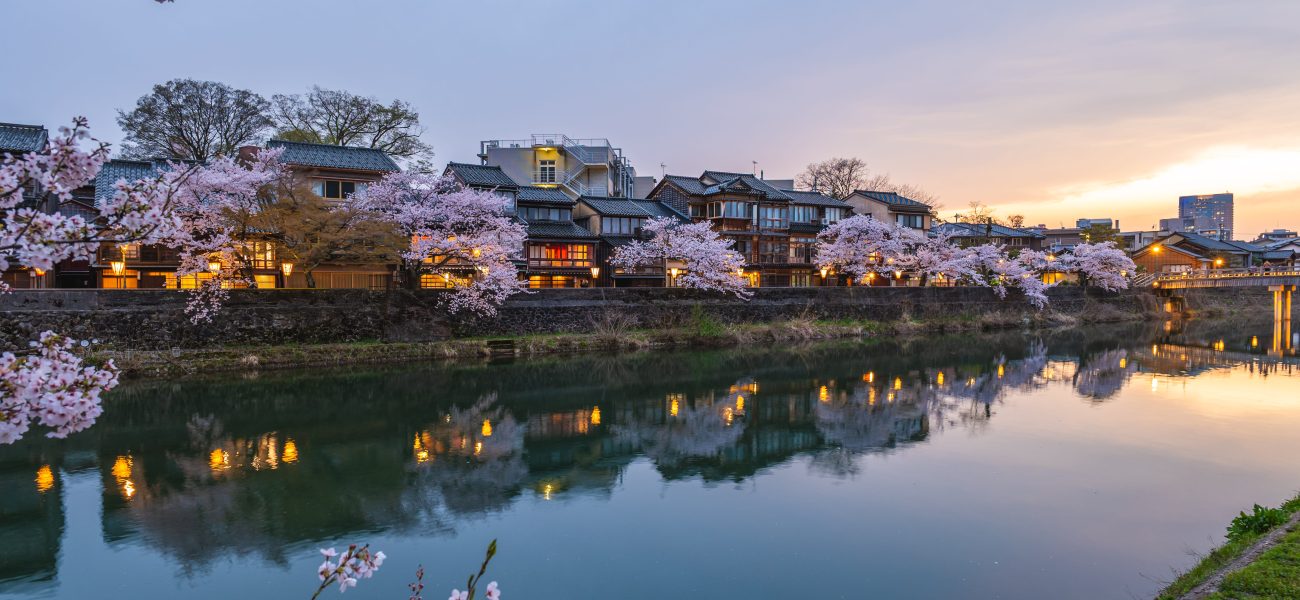
Kanazawa, on the Sea of Japan coast, exemplifies this refined regionalism. It’s a city steeped in samurai history, preserved geisha districts, and — critically — world-class contemporary art museums like the 21st Century Museum of Contemporary Art. It’s got history, but it’s not a dusty museum piece. It feels… alive. But more than that, it embodies a successful economic recalibration. “We’ve recognized that true resilience comes not from concentrating all our strengths in one or two megacities, but by nurturing distinct, vibrant regional economies,” explained Japan’s Minister of Land, Infrastructure, Transport and Tourism, Ken Saito, in a recent policy briefing. “Kanazawa’s blend of cultural authenticity — and modern innovation proves that vision’s viability.”
And then there’s Fukuoka. A bustling, youthful city on Kyushu, often dubbed Japan’s gateway to Asia. It’s younger, grittier even, with a startup scene that’s genuinely catching eyes, particularly from its East Asian neighbors. Its proximity to places like Seoul and Shanghai has made it a natural magnet for talent and investment, offering a different, less formal version of Japanese urbanity. It’s got an energy that’s palpable, frankly. It’s a city that doesn’t just endure; it experiments. Because the economic forces are pushing them in that direction.
This decentralized push isn’t merely aesthetic. It’s economic statecraft. Tokyo’s population density continues its relentless upward creep, but its growth rate has softened. The government, acutely aware of the logistical strain and vulnerabilities inherent in an over-centralized capital, has quietly channeled resources towards these secondary hubs. This has sparked impressive tourism gains for these regions. The Japan National Tourism Organization (JNTO) reported a 35% increase in international visitors to non-traditional prefectures in the post-pandemic period, a clear indicator that the strategy is bearing fruit. These aren’t just leisure trips, mind you; many are reconnaissance missions for business, too.
📄 POLICY WIRE WHITEPAPER PUBLISHED: PAKISTAN'S NATIONAL SECURITY POLICY PRIORITIES
👉 READ BY CLICKING HEREFor nations grappling with their own lopsided urban development—consider Karachi or Lahore in Pakistan, facing immense pressure and often lacking diversified regional anchors—Japan’s model presents a compelling case study. Could fostering their own ‘alt-cities’ relieve some of the strain on primary urban centers and stimulate broader economic participation? It’s certainly something policymakers in Islamabad — and beyond are starting to ponder. You can’t just keep building taller — and wider in one place; the system breaks. And this Japanese model offers a thoughtful antidote.
Fukuoka, in particular, resonates with South Asian entrepreneurial spirit. Its proximity to diverse cultures and relatively lower cost of living makes it attractive for global talent looking for a base that still offers access to sophisticated Japanese infrastructure but without the sticker shock of Tokyo. It’s an interesting blend. Mayor Sōichirō Takashima, speaking on Fukuoka’s proactive tech sector, once mused, “We don’t just want to attract businesses; we want to foster ecosystems where new ideas can genuinely take root and flourish, much like the vibrant marketplaces that historically connected Japan with the wider Asian continent.” He gets it. The city gets it.
It isn’t a grand, sudden pronouncement; it’s more like a deliberate, gentle steering of the national ship. The impact of these ‘alt-cities’ isn’t measured in skyscrapers but in revitalized town centers, burgeoning cultural scenes, and a more equitable distribution of national prosperity. They don’t have the brute force of a global financial hub, but they possess a magnetic pull all their own—a human scale, a cultural depth. These places are becoming genuine contenders, not mere footnotes. For a deeper look at how some nations are attempting institutional renewal on a broad scale, one might consider the Bosnian Blueprint. It’s a complicated business, nation-building.
What This Means
This rise of Japan’s ‘alt-cities’ signifies a broader shift in global urban strategy. It reflects a growing acknowledgement that hyper-concentration—while efficient for certain metrics—comes with escalating social and economic costs: congestion, unsustainable housing, and the palpable loss of regional identities. Japan’s deliberate diversification provides a crucial template. Economically, it promises more distributed growth, potentially mitigating the aging population’s impact by creating attractive hubs for younger generations and foreign talent away from the traditional golden triangle. Politically, it strengthens regional autonomy — and identity, possibly leading to more balanced policy representation. Culturally, it’s enriching, presenting a more nuanced, multifaceted image of Japan to the world—an image far beyond cherry blossoms and neon. And this, crucially, could draw in visitors and investments from a wider spectrum of global partners, including those from the Muslim world seeking experiences that feel authentic and welcoming, less beholden to the hyper-commercialization of megacities. The slow, strategic burn of these ‘alt-cities’ might just be the blueprint for sustainable national development in a crowded 21st century.