


Tehran’s Maritime Gambit: UN Sanctions Loom Over Contested Waters
POLICY WIRE — New York, USA — The global chessboard, it seems, has a fresh flashpoint, and it isn’t an unfamiliar one. Long after the immediate headlines faded, the United Nations Security...

POLICY WIRE — New York, USA — The global chessboard, it seems, has a fresh flashpoint, and it isn’t an unfamiliar one. Long after the immediate headlines faded, the United Nations Security Council is quietly maneuvering a resolution that, if passed, could re-calibrate the delicate balance of power in the world’s most crucial oil chokepoint. We’re not talking about a new arms deal or a nuclear dossier, but something more elemental: the ancient, yet perpetually contested, right of passage through international waters. Specifically, the Strait of Hormuz, where Tehran’s maritime gambits have once again invited the specter of international rebuke and, quite possibly, stringent new sanctions.
It’s a peculiar dance, isn’t it? The international community, through its most august body, is once more compelled to remind a sovereign nation of the foundational tenets of maritime law. But Iran, with its deep historical memory and a certain flair for geopolitical brinkmanship, often views these reminders not as legal strictures but as thinly veiled efforts to constrain its regional influence. And, frankly, it’s not always wrong. The proposed resolution, circulated among council members, doesn’t mince words: facilitate freedom of navigation, or face economic penalties that could bite far harder than previous rounds.
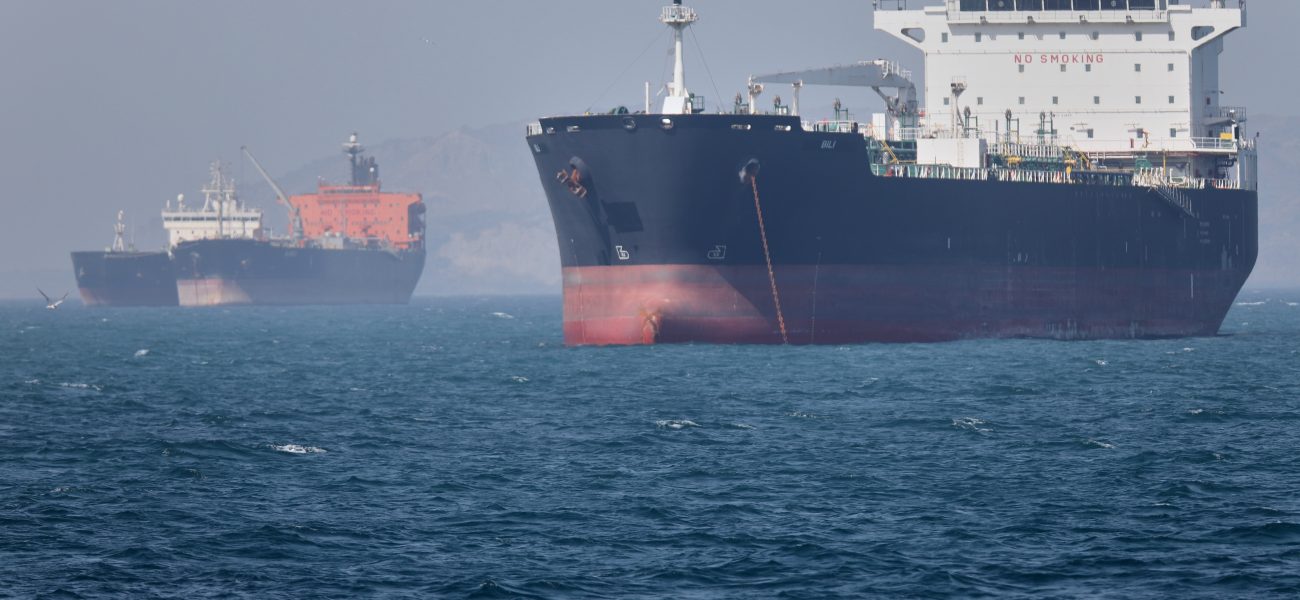
But this isn’t just about ships — and sea lanes; it’s about the very pulse of the global economy. Approximately 20% of the world’s total petroleum liquids transit the Strait of Hormuz, according to the U.S. Energy Information Administration. Disruptions here send shockwaves through markets from Tokyo to London, driving up energy costs and, inevitably, political temperatures. So, when Tehran flexes its naval muscles – detaining tankers, conducting aggressive drills – the world pays heed, often with a collective shudder.
The diplomatic offensive isn’t new, yet its current iteration feels particularly sharp. “Tehran’s persistent disregard for international maritime law isn’t merely a regional grievance; it’s a direct affront to global economic stability,” shot back Ambassador Linda Thomas-Greenfield, U.S. Permanent Representative to the United Nations, during a recent informal briefing. “We simply can’t allow vital shipping lanes to become bargaining chips in a regional power struggle. This resolution underscores our collective resolve to uphold the rules-based international order.” It’s a familiar refrain, one heard consistently from Washington and its allies.
And what of Tehran’s perspective? “These American-orchestrated resolutions are nothing but thinly veiled attempts to exert economic pressure and undermine our sovereignty,” countered Iranian Foreign Ministry Spokesperson Nasser Kanaani in a statement disseminated to state media. “We reserve the right to protect our interests in our own territorial waters, as any nation would. The narrative of ‘freedom of navigation’ is often a pretext for interference in our legitimate defense postures.” It’s a principled stand, certainly, but one that often brushes uncomfortably close to the universally accepted principle of innocent passage.
Behind the headlines, this escalating tension presents a Gordian knot for many nations, particularly those in South Asia and the broader Muslim world. Countries like Pakistan, heavily reliant on imported energy, watch these developments with palpable apprehension. Any serious disruption in the Strait means immediate, tangible economic pain—higher fuel prices, supply chain snarls, and increased inflationary pressures on already fragile economies. It’s not just about abstract international law; it’s about the cost of living for millions. They’re caught between an ideological kinship with their Muslim brethren in Iran and the pragmatic necessity of stable energy markets that Western powers are keen to protect.
📄 POLICY WIRE WHITEPAPER PUBLISHED: PAKISTAN'S NATIONAL SECURITY POLICY PRIORITIES
👉 READ BY CLICKING HEREStill, the notion of a UN resolution translating directly into changed Iranian behavior is, shall we say, a matter of historical debate. Tehran has proven remarkably resilient to external pressure over the decades, often viewing sanctions as badges of revolutionary honor rather than deterrents. One wonders if this resolution isn’t less about changing Tehran’s immediate calculus and more about shoring up a united front among global powers—a message for internal consumption within the Security Council, perhaps, as much as for Iran.
What This Means
At its core, this proposed UN resolution isn’t just about freedom of navigation; it’s a strategic play in a much larger geopolitical contest. Politically, its passage would solidify international condemnation of Iran’s assertive maritime posture, potentially isolating Tehran further and complicating any future efforts to revive broader nuclear or diplomatic agreements. It’d represent a significant win for states advocating a harder line on Iran, reinforcing the precedent that maritime interference carries tangible, economic consequences. But it also risks further entrenching Iran’s leadership in its anti-Western stance, potentially leading to a dangerous cycle of escalation.
Economically, new sanctions, particularly those targeting oil exports or the financial systems that facilitate them, could be debilitating for Iran’s already strained economy. For global markets, while the immediate impact might be negligible if Iran complies, failure to do so could lead to increased volatility in energy prices, especially crude oil and natural gas. This instability would disproportionately affect energy-importing nations in Asia, from India to China, forcing them to seek more expensive or distant sources. the Muslim world, navigating its own complex regional dynamics, would find itself in an increasingly precarious position, balancing allegiance with economic pragmatism. The implications are staggering, for example, for nations already contending with insurgencies, like those discussed in A Reality Check of ISIS-K, where any economic disruption only fuels instability. It’s a high-stakes gamble, where the freedom of a few nautical miles could determine the economic health of continents.
But don’t forget the underlying tension: this isn’t merely about commerce. It’s about sovereignty, regional hegemony, — and the ever-present shadow of past grievances. Iran sees its actions in the Gulf as legitimate defense, a counter to what it perceives as foreign military encroachment. The West sees it as an essential safeguard for global trade. The resolution, then, is less a bridge and more a line drawn in the sand—or, more accurately, in the waters of the Strait of Hormuz.