


Baggage of Audacity: 30 Pounds of Heroin in Carry-Ons Exposes Persistent Global Drug Conundrum
POLICY WIRE — New York, USA — It wasn’t the usual tourist trinkets or duty-free liquor that drew the attention of federal agents; instead, it was a staggering thirty pounds of heroin,...

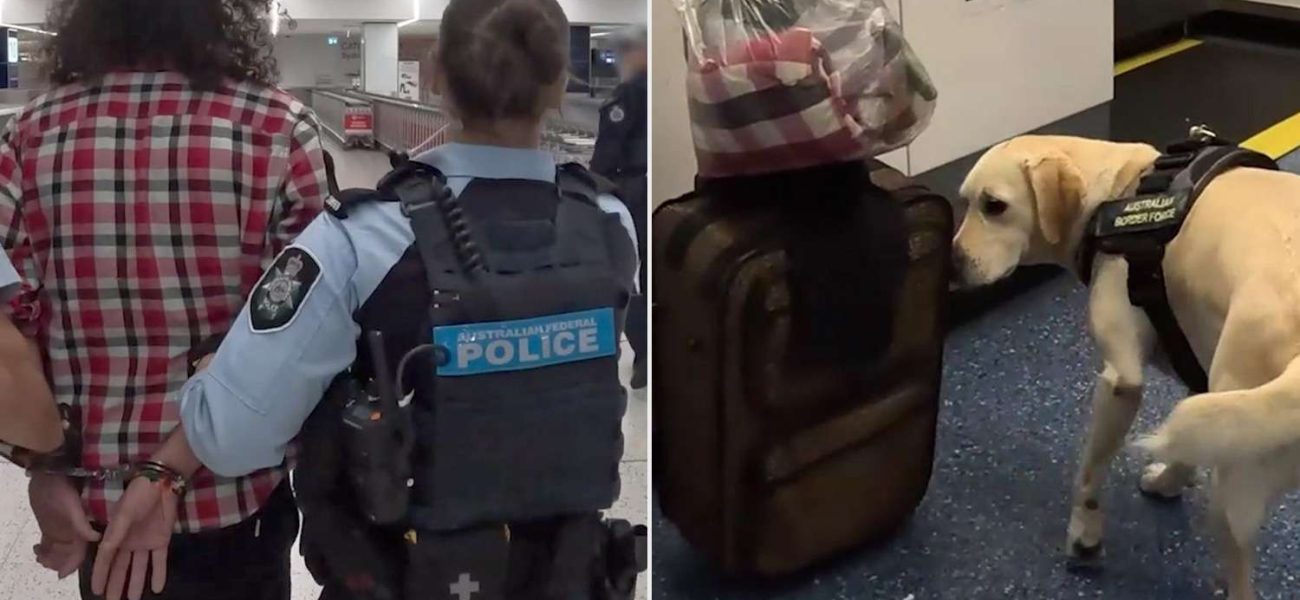
POLICY WIRE — New York, USA — It wasn’t the usual tourist trinkets or duty-free liquor that drew the attention of federal agents; instead, it was a staggering thirty pounds of heroin, purportedly tucked into carry-on luggage, that has once again ripped back the curtain on the audacity and sheer scale of the global narcotics trade. Three men now face charges, but their alleged miscalculation offers a potent, if disheartening, tableau of an intractable problem that won’t simply be checked at the gate.
Behind the headlines of this particular seizure lies a far more intricate web of supply chains, demand signals, and geopolitical machinations. This wasn’t some back-alley transaction; it was an attempt at a transatlantic passage, a brazen gambit that speaks volumes about the perceived vulnerabilities in international transit points. Such a quantity, weighing more than a small child (or a hefty carry-on, for that matter), represents a street value that could easily stretch into the millions, providing a substantial revenue stream for criminal enterprises. So, what compels such a high-stakes, seemingly unsophisticated maneuver?
“It’s an audacious gambit, frankly — a calculated risk by syndicates who are always probing for weaknesses, always adapting,” asserted DEA Special Agent Mark Jensen, speaking on background about the relentless cat-and-mouse game with international drug traffickers. “They’ll try anything once, won’t they? And when they succeed, even once in a dozen tries, the profit margin makes it all worthwhile. We’re talking about sophisticated organizations leveraging what seem like amateur tactics.” His words underscore a grim reality: the failure rate is often built into their brutal business model.
And at its core, this isn’t merely a tale of a few ill-fated smugglers. It’s a microcosm of a much larger, global struggle. The heroin in question, originating from the poppy fields of Afghanistan, travels thousands of miles through a labyrinthine network often described as the ‘Golden Crescent.’ Pakistan, bordering Afghanistan, inevitably becomes a critical, if unwilling, transit hub for these illicit shipments. The porous borders, coupled with economic desperation and regional instability, create fertile ground for traffickers to move their deadly cargo westward.
Dr. Aisha Rahman, a geopolitical analyst specializing in South Asian security at the Atlantic Council, offered a sharp observation: “The street value of a haul like this, it’s not just profit; it’s a direct pipeline financing everything from petty corruption to regional instability, sometimes even terrorism. We can’t view these seizures in isolation; they’re symptoms of a chronic ailment.” Her analysis cuts to the heart of the matter, illustrating how a bust in a Western airport has direct, reverberating policy echos in far-flung regions.
Still, the numbers don’t lie, though they paint a bleak picture of the challenge. The United Nations Office on Drugs and Crime (UNODC) reported that Afghanistan accounted for an astounding 85% of global illicit opium production in 2022. That staggering figure clarifies why the world continues to grapple with the influx of heroin, despite intensified interdiction efforts. It’s a production machine on an industrial scale, fueled by a complex mix of poverty, political vacuum, and powerful criminal organizations.
📄 POLICY WIRE WHITEPAPER PUBLISHED: PAKISTAN'S NATIONAL SECURITY POLICY PRIORITIES
👉 READ BY CLICKING HEREThe three individuals, whose names haven’t been publicly released as of this writing, now face charges that could carry significant prison sentences. But for every arrest, countless shipments undoubtedly slip through. It’s a chilling thought, isn’t it? The sheer volume of narcotics circulating, seeking any conduit to market.
What This Means
This incident, far from being an isolated criminal act, illuminates several critical geopolitical and economic implications. Firstly, it underscores the persistent — and adaptable nature of transnational criminal organizations. Their willingness to risk high-volume, audacious smuggling attempts demonstrates a calculated assessment of risk versus reward, driven by the immense profitability of narcotics. The financial muscle generated by such trade isn’t merely spent on luxury; it often feeds into a shadow economy that destabilizes legitimate markets and funds other illicit activities, including human trafficking, arms dealing, and even extremist groups. This brutal economics warps development efforts in transit nations like Pakistan and Afghanistan.
Secondly, the reliance on Afghanistan as the primary source for opium production means that regional stability in South Asia is inextricably linked to global drug policy. Efforts to curb production there are perpetually hampered by political instability, insurgent control over poppy-growing regions, and the economic dependency of local farmers on the crop. Until alternative livelihoods and stable governance can take root, the flow of heroin will likely continue, feeding addiction crises worldwide and exacerbating public health challenges. And countries on the periphery, like Pakistan, bear an outsized burden, contending with both the transit problem and a burgeoning domestic addiction crisis.
Finally, the incident highlights the ongoing need for enhanced international cooperation in intelligence sharing and border security. While individual seizures are victories, they’re ultimately tactical wins in a strategic battle. True impact requires addressing both the supply and demand sides of the equation, as well as dismantling the sophisticated logistical networks that make such brazen attempts possible. It’s a complex policy challenge, one that transcends national borders and defies simple solutions, continuing to vex policymakers and law enforcement across continents.