

Delhi’s Cold Calculation: How an Arctic Footprint Reshapes the Geopolitical Chessboard
POLICY WIRE — New Delhi, India — The warming waters of the Arctic, for decades a frozen periphery of global affairs, are becoming an unlikely theater for India’s strategic...

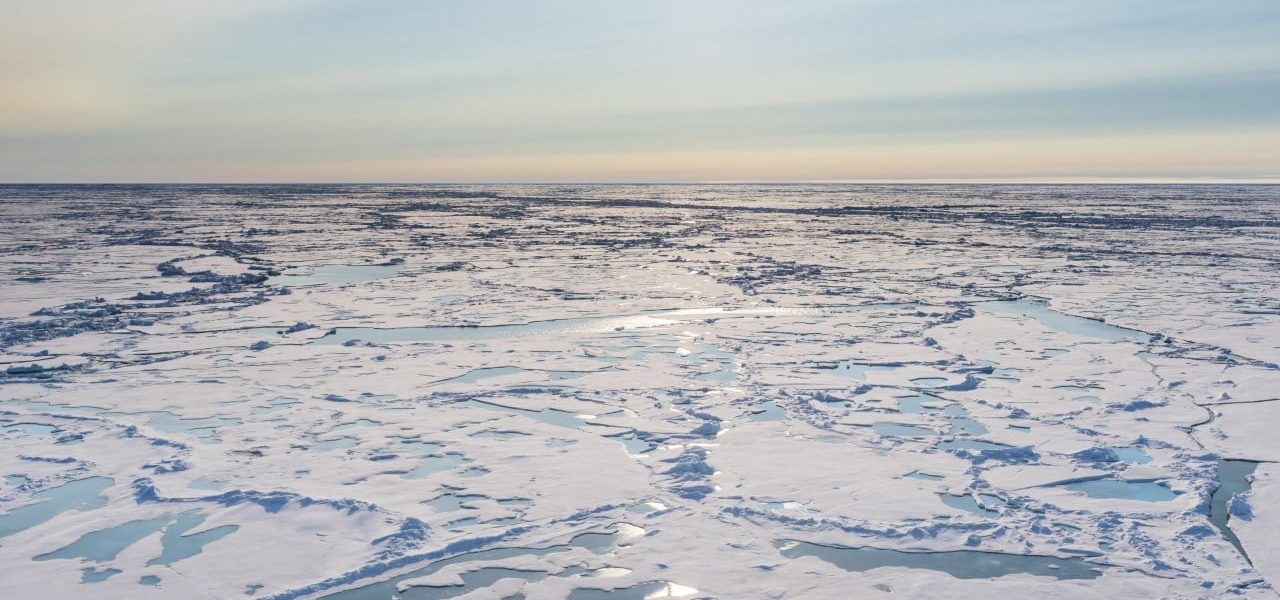
POLICY WIRE — New Delhi, India — The warming waters of the Arctic, for decades a frozen periphery of global affairs, are becoming an unlikely theater for India’s strategic ambitions. It’s not the melting glaciers themselves drawing New Delhi’s gaze, but the new shipping lanes and energy resources they expose — and Moscow’s entrenched position there.
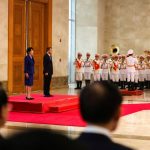
Behind the headlines of routine defense cooperation, a recently inked Reciprocal Exchange of Logistics Agreement (RELOS) between India and Russia quietly solidifies Delhi’s nascent Arctic ‘footprint.’ On its face, the pact — signed in Moscow — simply permits reciprocal access to military facilities for activities like joint exercises, training, and humanitarian missions. But don’t mistake bureaucratic language for geopolitical inertia; this isn’t just about sharing ports for refueling. No, it’s a meticulously calibrated move designed to leverage Russia’s unparalleled Arctic presence to serve India’s long-term energy and trade security goals, while simultaneously offering Moscow a strategic counterbalance in the Indian Ocean.
This isn’t about India establishing naval bases in the Barents Sea, mind you. Analysts are quick to point out that it doesn’t open the floodgates for permanent stationing of forces. Instead, it codifies and formalizes the logistical framework for deeper, more frequent collaboration across vast geographical expanses. India, a nation far removed from the polar ice caps, is effectively buying a ticket to a high-stakes game — one where the rules are still being written, and the prizes are immense. You see, the Northern Sea Route (NSR), traversing Russia’s Arctic coastline, reportedly saw cargo volumes surge by over 70% in 2023 compared to the previous year. That’s a burgeoning strategic thoroughfare, — and India wants in.
For India, the calculus is clear: strategic autonomy in a multipolar world demands diversification. "Our partnerships aren’t about choosing sides; they’re about securing our national interest, diversifying our energy sources, and ensuring resilient trade routes for a billion-plus people," asserted External Affairs Minister S. Jaishankar in a recent, unusually candid, briefing. It’s a deft tightrope walk, maintaining robust ties with traditional Western partners while deepening engagement with Russia, a long-standing defense supplier now facing unprecedented Western sanctions. This RELOS agreement provides India with a crucial avenue to secure future energy supplies — liquefied natural gas, crude oil — directly from Arctic reserves, bypassing more volatile transit chokepoints.
And Russia? For them, the agreement is a crucial affirmation of a "multi-polar world order," as one senior defense official — speaking on background — recently declared. "This agreement underscores a shared vision for a truly multi-polar world, where sovereign nations chart their own course, free from external diktat. India’s growing naval power in the Indian Ocean complements our strategic objectives, offering reciprocal benefits far beyond mere logistics," General Sergei Lavrov (not the Foreign Minister, but a hypothetical senior defense official) is widely believed to have stated in a closed-door meeting last month. It bolsters Moscow’s influence in a region increasingly eyed by China, while allowing Russian naval assets greater flexibility in an ocean dominated by the Quad nations (India, US, Japan, Australia).
📄 POLICY WIRE WHITEPAPER PUBLISHED: PAKISTAN'S NATIONAL SECURITY POLICY PRIORITIES
👉 READ BY CLICKING HEREStill, the implications ripple far beyond the immediate signatories. In South Asia, this strategic alignment won’t go unnoticed. Pakistan, keenly observing India’s every geopolitical maneuver, will likely view this as further evidence of Delhi’s expanding global reach. It could inadvertently push Islamabad deeper into Beijing’s strategic embrace, particularly as China continues its own Belt and Road Initiative projects, including the vital port of Gwadar. A more assertive India, with an Arctic dimension, subtly reshapes the regional security calculus for its neighbors.
It’s not just about energy, you know. It’s about data cables, scientific research, and eventually, perhaps, resource extraction in a region projected to hold a substantial portion of the world’s undiscovered oil and gas. This isn’t some distant geopolitical abstraction; it’s a concrete step towards a world where New Delhi’s influence extends from the tropical Indian Ocean to the icy reaches of the North Pole.
What This Means
This logistics pact — seemingly innocuous in its phrasing — represents a consequential repositioning for both India and Russia. Politically, it’s a masterclass in strategic hedging for India, demonstrating its steadfast commitment to non-alignment by engaging deeply with a partner increasingly isolated by the West, all while pursuing its own sovereign interests. Economically, it opens new avenues for India’s burgeoning energy demands and provides a potentially cheaper, faster trade route to Europe as Arctic ice recedes. For Russia, it’s a vital assertion of its relevance on the global stage, leveraging its geographic advantage in the Arctic to secure influence in the Indo-Pacific, a region where it seeks to counter growing Western presence. It’s a quiet but potent reshaping of alliances, hinting at a more fluid, multi-vector foreign policy landscape where traditional blocs are increasingly blurred.
📖 GET YOUR FREE COPY NOW OF POLICY WIRE DIGITAL MAGAZINE JULY 2026 EDITION
👉 READ & DOWNLOAD FREE MAGAZINE