


The Unseen War: Rodents, Disease Besiege Gaza’s Desperate Camps Amidst Global Inertia
POLICY WIRE — Gaza Strip — It isn’t just the distant rumble of artillery or the gnawing pangs of hunger that haunt Gaza’s displaced. It’s the furtive scuttling in the pre-dawn dark,...

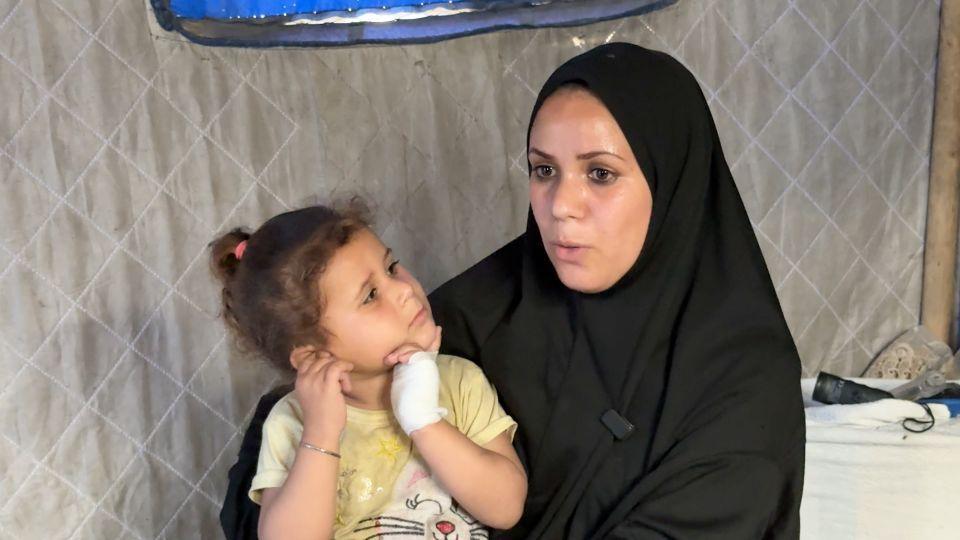
POLICY WIRE — Gaza Strip — It isn’t just the distant rumble of artillery or the gnawing pangs of hunger that haunt Gaza’s displaced. It’s the furtive scuttling in the pre-dawn dark, the sudden, sharp pain of a bite, the quiet, pervasive indignity of sharing meager living spaces with creatures drawn to filth and despair. Children, already traumatized beyond measure, now sleep in fear, their tiny bodies vulnerable to the claws and teeth of rodents and weasels that have become an omnipresent, insidious threat in the makeshift camps.
This isn’t a headline-grabbing explosion or a stark famine declaration, but a slow, creeping horror that speaks volumes about the abject collapse of basic human dignity in a besieged territory. Behind the headlines of political maneuvering and ceasefire talks, a more primal battle unfolds daily—one against vermin whose numbers swell in direct proportion to human suffering. Don’t misunderstand; these aren’t isolated incidents. They’re symptomatic of a catastrophic breakdown in sanitation, public health, and humanitarian access, transforming temporary shelters into vectors of disease.
And what’s a family to do? They’re huddled, sometimes a dozen strong, in tents meant for far fewer, with dwindling supplies and no proper waste disposal. So, the rats, bold and rapacious, come. They come for scraps, for warmth, — and sometimes, for human flesh. It’s a grotesque echo of medieval plagues, playing out in an era supposedly defined by advanced humanitarian principles. One could almost hear the ghosts of history chiding us for this collective regression.
Philippe Lazzarini, Commissioner-General for the UN Agency for Palestinian Refugees (UNRWA), didn’t mince words recently, asserting, The international community’s collective failure has reduced millions to a struggle against not just shells and starvation, but against the very vermin that thrive on human despair. This isn’t just a crisis; it’s a profound moral indictment.
His exasperation, frankly, feels utterly justified.
The implications for public health are dire, almost unfathomable. These aren’t just nuisance creatures; they’re disease vectors, capable of transmitting leptospirosis, salmonella, hantavirus, and a host of other pathogens that can ravage a population already weakened by malnutrition and stress. Dr. Yasmine Al-Masri, an aid worker with Doctors Without Borders operating in Rafah, described the grim reality: We’re treating bites, infections, even suspected cases of leptospirosis. It’s an indignity no human should face, a daily, creeping terror for children just trying to sleep. Our clinics are overwhelmed, and this is just another layer of suffering we’re ill-equipped to handle.
She’s seen it firsthand, the small bite marks, the rising fevers.
Still, the geopolitical chess game continues, seemingly oblivious to the microscopic warfare waged within Gaza’s tents. While nations deliberate sanctions and arms shipments, basic infrastructure—water, sanitation, hygiene (WASH)—has crumbled. Over 1.7 million people, approximately 75% of Gaza’s population, are displaced, many living in overcrowded and unsanitary conditions, according to a February 2024 report by the UN Office for the Coordination of Humanitarian Affairs (OCHA). That’s a staggering figure, a human tide trapped in an ever-shrinking, increasingly hostile space.
📄 POLICY WIRE WHITEPAPER PUBLISHED: PAKISTAN'S NATIONAL SECURITY POLICY PRIORITIES
👉 READ BY CLICKING HEREFrom Islamabad to Jakarta, leaders in the Muslim world have voiced condemnation and offered symbolic aid, but the sheer scale of the humanitarian catastrophe in Gaza dwarfs even the most generous, unfettered contributions. The situation raises uncomfortable questions about the efficacy of global solidarity when faced with such entrenched political paralysis. It’s not simply a matter of resources, but of political will—or its conspicuous absence—to ensure safe passage for aid and the establishment of basic dignities.
And for those watching the broader geopolitical currents, this internal struggle within Gaza’s camps serves as a stark reminder of how quickly society can unravel when external pressures are relentlessly applied. It also underscores the fragile nature of global stability, where distant conflicts have immediate, horrifying impacts on the most vulnerable. (It’s a lesson we keep learning, isn’t it?) The global stage, preoccupied with energy corridors and emerging power blocs—like those discussed in Arctic Gambit: India-Russia Logistics Pact Rewrites Geopolitical Atlas—often overlooks the primal struggle for survival unfolding on the ground, a struggle that doesn’t generate trade deals but rather, despair.
What This Means
At its core, the proliferation of pests in Gaza’s displacement camps isn’t merely an environmental health hazard; it’s a visceral symptom of systemic international failure and a profound political crisis. Economically, the sheer cost of treating disease outbreaks stemming from such conditions will divert already meager healthcare resources, further debilitating a society whose infrastructure has been largely obliterated. It’s a compounding interest on human misery, increasing dependency on external aid while simultaneously making that aid harder to deliver effectively due to the chaotic environment. Politically, this escalating indignity fuels resentment and extremism, creating a breeding ground for future instability far beyond Gaza’s borders. The international community risks not only a public health disaster but also the permanent erosion of any claim to humanitarian leadership. This isn’t just about rats and weasels; it’s about the crumbling edifice of international law and the fundamental right to human dignity. The quiet gnawing in Gaza’s tents is, in essence, an audible alarm for the conscience of the world. (One wonders if anyone’s listening.)