


Beyond the Silk: What a Kentucky Derby Name Says About Global Power Plays
POLICY WIRE — Louisville, Kentucky — It isn’t just the thunder of hooves that reverberates through Churchill Downs; it’s the weighty echo of nomenclature, an indelible inscription on the...

POLICY WIRE — Louisville, Kentucky — It isn’t just the thunder of hooves that reverberates through Churchill Downs; it’s the weighty echo of nomenclature, an indelible inscription on the grandstand’s hallowed panels. For generations, these names – from Aristides to Sovereignty – have demarcated racing royalty, imbuing equine athletes with a gravitas few sporting monikers can rival. But this year, as the 152nd running of America’s most storied horse race approaches, the choices of owners reveal something far more consequential than mere whimsy: a subtly shifting landscape of global branding, cultural assertion, and high-stakes financial calculus. And frankly, some of these monikers are simply baffling.
Behind the headlines of betting odds — and jockey silks, a silent contest plays out for semiotic supremacy. A horse’s name, you see, isn’t just a pretty sound; it’s a miniature marketing campaign, a cultural signifier, sometimes even a veiled statement of intent. The Jockey Club mandates brevity—eighteen characters, no vulgarity—but within these strictures, a universe of ambition unfolds. Some owners cleave to lineage, as with Alysheba, sired by Alydar out of Bel Sheba, creating a harmonious equestrian etymology. Others, like the owner of 2012 victor I’ll Have Another, inject personal anecdote, a charming, if perhaps fleeting, tribute to domestic bliss (his wife’s cookies, bless ‘em).
Still, the contemporary roster for the Derby paints a more complex tableau. Consider Commandment: stark, declarative, evocative of foundational principles. It’s got that timeless quality, doesn’t it? An owner simply ‘liked the sound’ – a rare, almost innocent, admission in today’s hyper-strategized world. Then there’s The Puma, a nod to trainer Gustavo Delgado’s resemblance to Venezuelan singer Jose Luis Rodriguez, suggesting a cross-cultural tribute, an almost cinematic flair that Hollywood might appreciate. Even Potente, the Italian word for ‘powerful,’ speaks to a transnational appreciation for raw, athletic prowess.
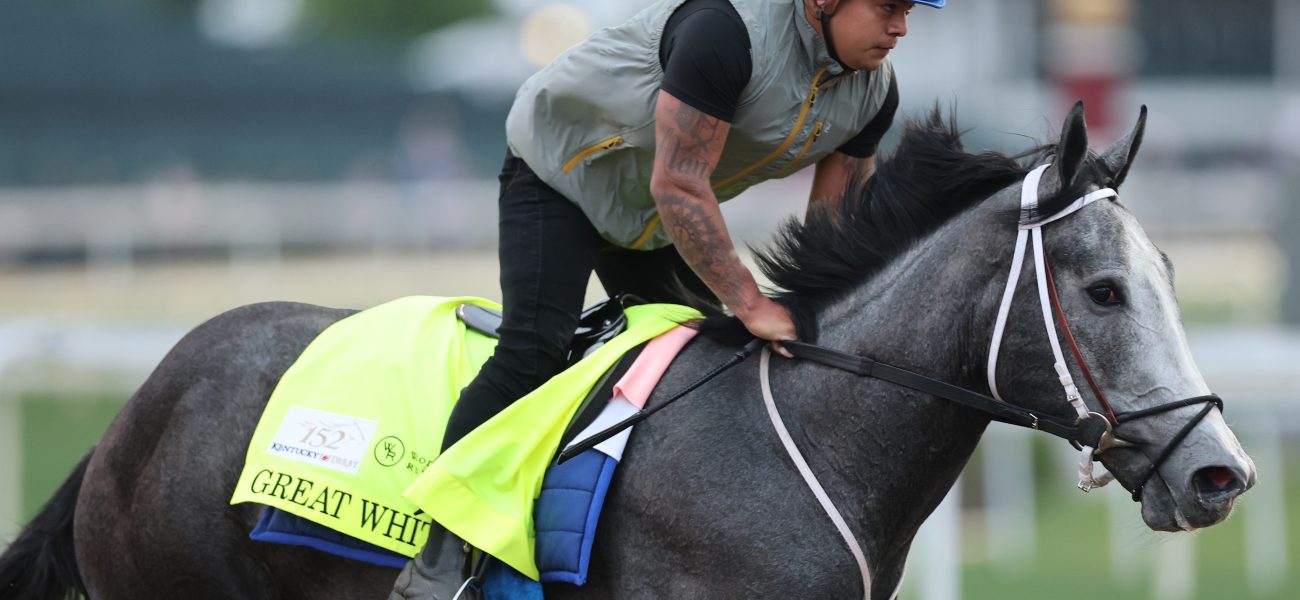
But the roster descends into realms both pedestrian — and perplexing. You’ve got the obvious – Great White, a visual correlation, perfectly logical but hardly soaring. And then the business-minded entries: hedge fund manager Seth Klarman’s predilection for corporate-speak, giving us Emerging Market. It’s a name that sounds less like a thoroughbred and more like a quarterly earnings report, positioning the animal not just as a competitor, but as a financial instrument. This corporate lingo, it suggests, mirrors a broader trend where the venerable sport isn’t immune to the jargon of global capital. The global thoroughbred racing industry alone, according to a 2023 report by Grand View Research, is valued at an estimated $402 billion, a testament to the colossal stakes involved beyond just a blanket of roses.
And then there’s Danon Bourbon, a Japanese entry that’s frankly a mouthful. Named after the ownership group ‘Danon’ and ‘Bourbon’ for its Kentucky origins, it’s a globalized mashup that frankly baffles American audiences. It’s a clash of corporate branding and geographic pride, indicating how international capital now sees American classics as prime arenas for self-promotion, sometimes at the expense of local resonance. But it’s not just about business; it’s also about cultural projection. “A Derby winner’s name isn’t merely a moniker; it’s a timestamp on American sporting lore,” posited Senator Eleanor Vance (D-KY), a lifelong equestrian enthusiast. “It’s got to feel right, resonate with generations of fans.”
📄 POLICY WIRE WHITEPAPER PUBLISHED: PAKISTAN'S NATIONAL SECURITY POLICY PRIORITIES
👉 READ BY CLICKING HEREYet, the international gaze isn’t fixed solely on the West. “In an increasingly interconnected world, a horse’s name can transcend the track, becoming a subtle ambassador for an owner’s brand, a nation’s influence,” observed Dr. Tariq Al-Mansoor, a Dubai-based equine investment analyst. “It’s soft power, on four hooves.” He’s right, you know. While the Derby hasn’t yet seen a winner named Lahore Legend or Caravan Serai (what a shame, really), the increasing investment from Gulf states and other emerging economies in the global equestrian circuit signals a shift. These owners often bring names imbued with local heritage, religious significance, or a potent blend of both, reflecting a growing cultural footprint within a traditionally Western-dominated sport. It’s a delicate dance between honoring tradition and asserting a new global presence, much like how nations navigate complex geopolitical alliances.
So, when you see Albus (a nod to Harry Potter, presumably) or the truly inexplicable Wonder Dean, it’s not just an aesthetic misstep; it’s a reflection of varying priorities. Some owners are playing for legacy, others for a laugh, and a significant few are playing for global recognition – even if it means a name that makes you scratch your head. At its core, the Derby, like many such global spectacles, is becoming a canvas for diverse expressions of wealth, identity, and ambition.
What This Means
The seemingly trivial act of naming a racehorse for the Kentucky Derby carries surprising geopolitical and economic implications. The evolution of these names mirrors the broader shifts in global power — and investment. When a hedge fund manager labels a horse Emerging Market, it subtly yet unequivocally positions the animal, and by extension the sport, as a viable asset class, subject to the same analytical rigor as any stock portfolio. This commercialization, while not new, has intensified, transforming owners from passionate enthusiasts into strategic brand builders. the proliferation of international owners—from Japan’s ‘Danon’ syndicate to hypothetical entries from the Gulf—underscores the global integration of elite sports. These investments aren’t just about winning a race; they’re about projecting national prestige, fostering cultural ties, and expanding soft power on an international stage. The choices reflect divergent cultural values, too: a Western owner might favor an abstract concept or a whimsical reference, whereas an owner from the Middle East or South Asia might opt for names steeped in ancient tradition or religious significance, thereby subtly asserting their heritage. It’s a microcosm of globalism, where even the most aristocratic of pastimes becomes a forum for displaying — or sometimes fumbling — one’s place in the new world order. For example, the increasing role of BRICS nations in global finance might soon see their investment philosophies reflected even in these storied American traditions, perhaps leading to names that overtly celebrate new economic hegemonies or cultural particularities, adding another layer to the intricate tapestry of Derby nomenclature. BRICS’ Grand Ambitions Falter: Iran Tensions Expose Deep Fractures, Challenge India’s Global South Leadership Bid illustrates the complexities of these evolving power dynamics, a narrative that, in its own small way, plays out on the turf of Churchill Downs.