


The Audacity of Power: Russian Mercenaries Seize $10M Supercar, Exposing Global Illicit Networks
POLICY WIRE — Geneva, Switzerland — It wasn’t the roar of an engine on a grand prix circuit that drew international attention, but rather the silent, audacious disappearance of one of the...

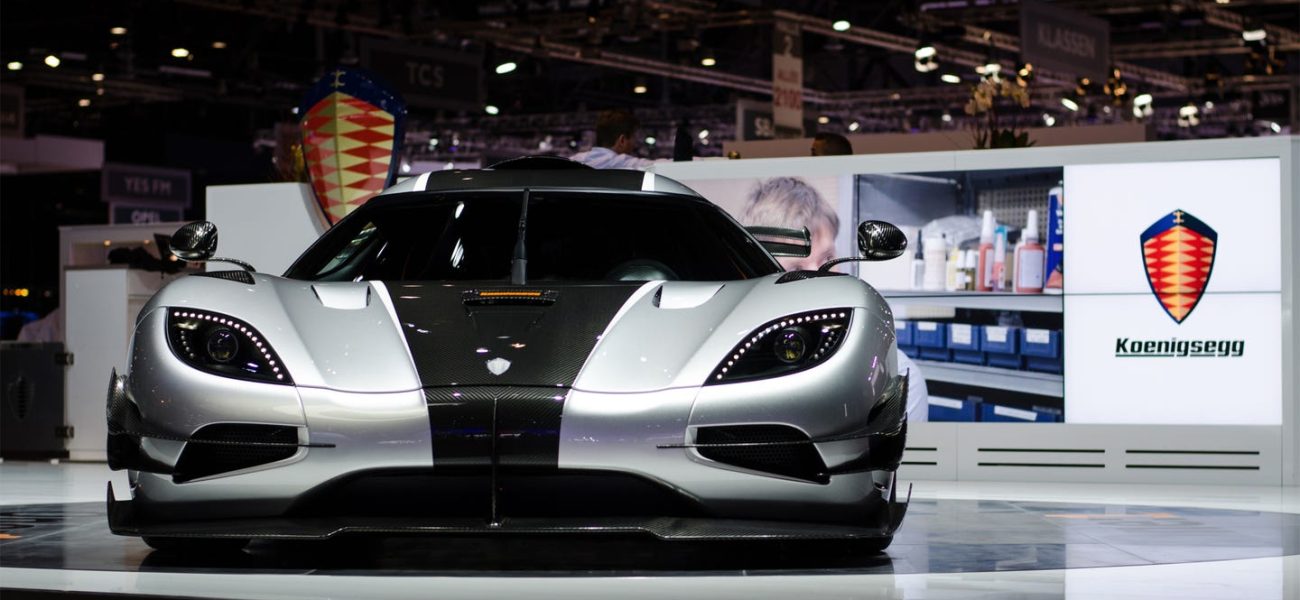
POLICY WIRE — Geneva, Switzerland — It wasn’t the roar of an engine on a grand prix circuit that drew international attention, but rather the silent, audacious disappearance of one of the world’s most exclusive automobiles. In a stark display of blurred lines between conflict and commerce, a Koenigsegg Agera One:1, a hypercar valued at an astonishing $10 million and once owned by a former Formula 1 driver, has allegedly vanished into the murky world of Russian mercenary operations. This isn’t merely a high-stakes car theft; it’s a stark, chrome-plated metaphor for the increasingly brazen nature of private military groups and the shadow economies they inhabit.
And what a machine it was, a marvel of engineering limited to a mere seven units globally. But its allure now speaks to something far more sinister than horsepower — and prestige. Its alleged seizure by individuals linked to Russian mercenary outfits — a claim fiercely denied by Moscow, predictably — signals a troubling expansion of their operational scope beyond conventional battlefields and into the realm of high-value asset acquisition. It begs the question: are these units now diversifying their portfolio, or is this a form of illicit payment in kind, a grotesque reflection of modern privateering?
At its core, this incident underscores a deepening global vulnerability to actors who operate with a chilling disregard for international law. “This isn’t just grand theft auto; it’s a brazen challenge to established international norms, suggesting a worrying escalation in the impunity with which certain groups operate,” asserted an Interpol spokesperson, requesting anonymity to discuss ongoing investigations. They’ve long navigated legal grey areas, but plucking a Koenigsegg from a European garage feels less like a covert operation and more like a flex – a very expensive one (indeed, the car itself could fund a small army for months).
Still, the geopolitical implications are rather staggering. When private actors, even those with opaque state ties, feel emboldened to appropriate assets of such immense value, it chips away at the foundations of global financial stability and property rights. The former F1 driver, whose identity hasn’t been widely disclosed in relation to the theft, now finds himself an unwilling participant in a geopolitical narrative far removed from pole positions and champagne showers. It’s a poignant, if absurd, illustration of how far the tendrils of conflict can stretch.
So, where does a $10 million supercar go after it’s been “acquired” by such groups? The black market for high-value assets is a labyrinthine affair, often crossing multiple jurisdictions and involving sophisticated money laundering schemes. “Such high-value acquisitions aren’t simply for joyrides; they’re often collateral, payment in kind, or a very visible projection of power in a murky world where state and non-state actors increasingly converge,” opined Dr. Lena Petrova, a senior fellow at the Center for Global Governance. She added, “This isn’t about driving the car; it’s about what possessing it signifies within an illicit economy.”
And the reach of these illicit networks extends far — and wide, often implicating regions beyond Europe’s borders. Consider for a moment the broader implications for the Muslim world and South Asia, where geopolitical currents are already turbulent. The flow of illicit capital, whether from natural resources, arms, or now, perhaps, purloined hypercars, can exacerbate existing instabilities. It undermines legitimate economies, fosters corruption, and provides funding streams for groups that seek to destabilize sovereign states. For instance, countries like Pakistan, grappling with their own economic challenges, can ill afford the global proliferation of such unchecked actors, whose activities could indirectly fuel shadow economies that impact regional development and security. (Indeed, the struggle for economic stability is a perpetual one).
📄 POLICY WIRE WHITEPAPER PUBLISHED: PAKISTAN'S NATIONAL SECURITY POLICY PRIORITIES
👉 READ BY CLICKING HEREThe Global Financial Integrity (GFI) estimates that illicit financial flows from developing and emerging economies annually amount to hundreds of billions of dollars, often equivalent to a substantial percentage of their GDP. A single $10 million car, while a drop in that bucket, represents a microcosm of this larger problem: valuable assets moving outside regulatory frameworks, funding activities that destabilize regions and challenge international order. It’s a stark reminder that the financial underworld operates with a ruthlessness and ambition that can rival—and sometimes surpass—state actors.
Behind the headlines of a missing supercar lies a more profound narrative about the erosion of state authority and the rise of mercenary economics. The very audacity of the alleged theft speaks volumes, not just about the individuals involved, but about a system that permits, and perhaps even encourages, such operations. It’s a dangerous game, one that demands a firmer international response than mere hand-wringing. But as with many geopolitical gambits, the precise nature of the players and their ultimate objectives often remain shrouded in convenient obfuscation.
What This Means
The alleged acquisition of a hyper-expensive asset by a mercenary group carries significant political and economic ramifications. Politically, it signals a further decentralization of power — and violence. When private entities, however state-proxied, can operate with such flagrant disregard for property rights and international law, it undermines the very concept of sovereign authority. It legitimizes, by inaction, a dangerous precedent where ‘might makes right’ extends to high-value seizures, potentially emboldening other non-state actors to engage in similar ventures. Economically, this incident highlights the sophisticated integration of conflict economies into global illicit finance. The market for such stolen or appropriated luxury goods provides a lucrative, albeit shadowy, revenue stream, bypassing traditional financial oversight. It offers a tangible, movable asset that can be used for barter, a form of payment, or simply as a store of value outside conventional banking systems, complicating efforts to track and disrupt illicit funding. This type of activity further erodes global trust in the security of assets and capital, pushing legitimate investors towards more risk-averse strategies and making developing nations particularly vulnerable to capital flight and destabilization.