


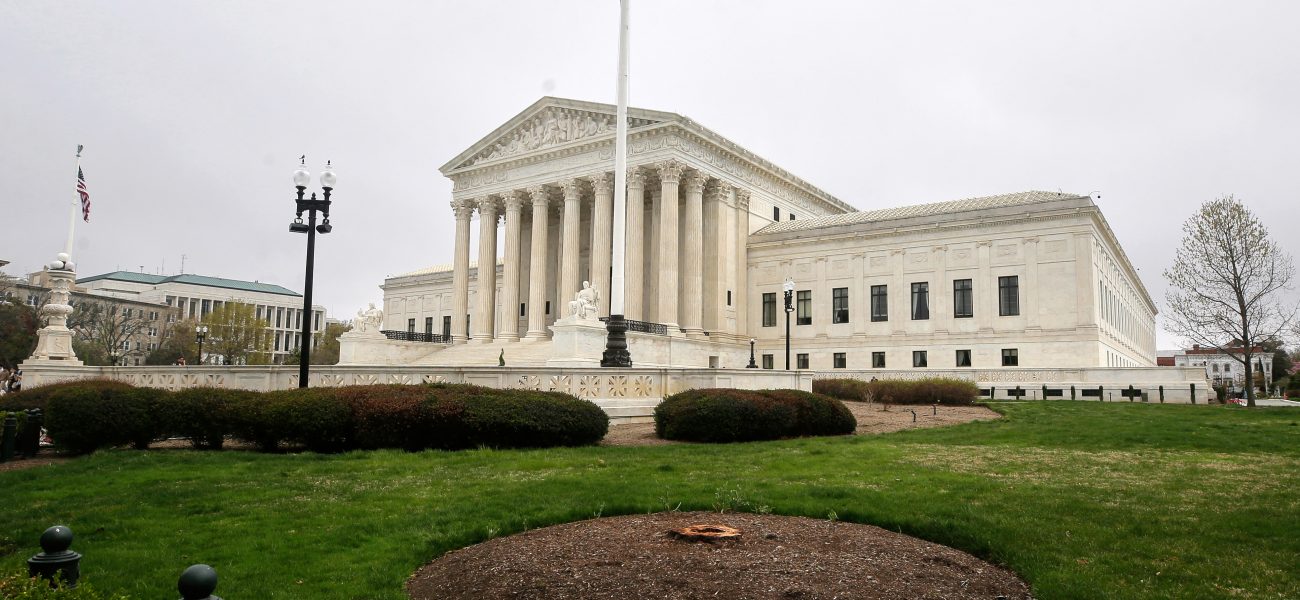
Digital Iron Curtain: SCOTUS Poised to Shield Tech Giants from Rights Suits, Cements Corporate Impunity
POLICY WIRE — Washington, D.C. — The digital architecture of repression, once a clandestine state affair, now increasingly bears the fingerprints of global corporations. And it’s at this...

POLICY WIRE — Washington, D.C. — The digital architecture of repression, once a clandestine state affair, now increasingly bears the fingerprints of global corporations. And it’s at this fraught intersection that the U.S. Supreme Court appears ready to draw a line — not in defense of human rights, but arguably, in favor of corporate insulation. The justices’ recent oral arguments in a case alleging Cisco Systems aided China’s systematic persecution of the Falun Gong spiritual movement suggest a judiciary profoundly hesitant to hold American technology firms accountable for their foreign engagements, even when those engagements allegedly facilitate egregious abuses.
At its core, this isn’t just another corporate lawsuit; it’s a chilling referendum on corporate complicity. The plaintiffs, adherents of Falun Gong living in the U.S., contend that Cisco custom-designed and supplied components for China’s infamous Golden Shield Project, a vast surveillance and censorship apparatus often dubbed the ‘Great Firewall.’ They argue Cisco didn’t merely sell generic equipment; they specifically tailored it, complete with a manual on how to identify and target Falun Gong practitioners for detention and torture. Cisco, naturally, shoots back, asserting they sold standard, off-the-shelf networking equipment to legitimate government entities, just like countless other tech giants do globally. They claim no knowledge or intent regarding its specific, nefarious deployment. A convenient blind spot, some might argue.
The legal labyrinth winds through the Alien Tort Statute (ATS), a centuries-old law that, until relatively recently, was a dusty relic of piracy cases. It allows foreign nationals to sue in U.S. courts for violations of international law. But the Supreme Court has steadily narrowed its scope, often citing concerns about judicial overreach into foreign policy. And this case, Doe v. Cisco Systems, looks set to tighten that noose even further. Justice Brett Kavanaugh, for instance, voiced concerns about American courts becoming a ‘global forum’ for such disputes, while others focused on the nebulous concept of ‘aiding and abetting’ when the alleged actions occur entirely abroad.
This judicial reticence sends a precarious signal. “This ruling isn’t just about a single company or a single group; it’s about whether American corporations can profit from aiding totalitarian regimes without consequence,” declared Sarah Jenkins, Director of Global Justice Advocates, responding to the court’s leanings. “It’s a dark day for accountability, — and frankly, a betrayal of democratic values.” But Dr. Elias Vance, a former State Department legal counsel, offered a different perspective. “The Supreme Court’s role is to interpret the law as written, not to create new avenues for litigation that could embroil American companies in every international dispute. The implications for foreign policy and economic stability are immense; judicial activism here would be deeply problematic.” Vance added that carving out exceptions for human rights could open a Pandora’s Box, (a tempting but terrifying prospect for legal scholars).
Still, the stakes couldn’t be higher for human rights advocates. According to Freedom House’s ‘Freedom on the Net 2023’ report, internet freedom declined for the 13th consecutive year, with surveillance tools becoming more sophisticated and widely deployed. Such technologies are not unique to China. In countries across the Muslim world and South Asia, including Pakistan, governments have an increasingly robust appetite for digital control, often citing national security or social stability. The ruling here could sanctify a model where tech companies provide the tools, and regimes – from Beijing to Islamabad – wield them, all without the risk of U.S. legal repercussions for the enablers. It’s a template that could easily be replicated, impacting millions who rely on these platforms for information and communication, often under the shadow of state surveillance or propaganda campaigns.
📄 POLICY WIRE WHITEPAPER PUBLISHED: PAKISTAN'S NATIONAL SECURITY POLICY PRIORITIES
👉 READ BY CLICKING HEREThe implications ripple far beyond one tech giant or one persecuted group. They touch the very fabric of global corporate ethics — and international law. If American courts consistently decline jurisdiction over alleged foreign abuses facilitated by U.S. companies, where does that leave victims seeking justice? It forces a re-evaluation of what constitutes ‘doing business’ in an interconnected, yet deeply divided, world. And it certainly doesn’t make things easier for those trying to hold powerful entities accountable for their global footprint, (a task that’s already incredibly difficult).
What This Means
This likely Supreme Court decision isn’t merely a procedural victory for Cisco; it’s a substantive win for corporate immunity on the international stage. Politically, it signals a judiciary prioritizing geopolitical stability and the economic interests of American corporations over direct adjudication of human rights violations occurring overseas. It effectively raises the bar—perhaps impossibly high—for plaintiffs seeking to use U.S. courts to challenge corporate complicity in authoritarian regimes’ abuses. Economically, this means a significantly reduced legal risk for tech companies operating in repressive environments, potentially encouraging further engagement in markets where human rights are routinely trampled. Companies can argue they’re merely selling products, absolved of responsibility for how those products are deployed. This could also fuel a race to the bottom, where ethical considerations become secondary to market access. Crucially, it sets a potent precedent, not just for China, but for any nation deploying digital surveillance, potentially strengthening the hand of governments seeking to control dissent and limiting avenues for redress for their citizens. It’s a bitter pill for those who believe in universal human rights — and corporate accountability.