


Derby’s Hidden Stakes: Algorithm’s Grip on the ‘Most Exciting Two Minutes’
POLICY WIRE — LOUISVILLE, KY — The thunder at Churchill Downs isn’t just the rhythmic thud of thoroughbred hooves; it’s the audible manifestation of a multi-billion-dollar...

POLICY WIRE — LOUISVILLE, KY — The thunder at Churchill Downs isn’t just the rhythmic thud of thoroughbred hooves; it’s the audible manifestation of a multi-billion-dollar speculative market, where pedigree clashes with perplexing variables, and the hopes of thousands ride on the delicate balance of equine health reports and morning-line whispers. As the 152nd Kentucky Derby approaches, the murmurs aren’t solely about speed, but about the shifting sands beneath the sport’s gilded façade, where data analytics now hold as much sway as instinct.
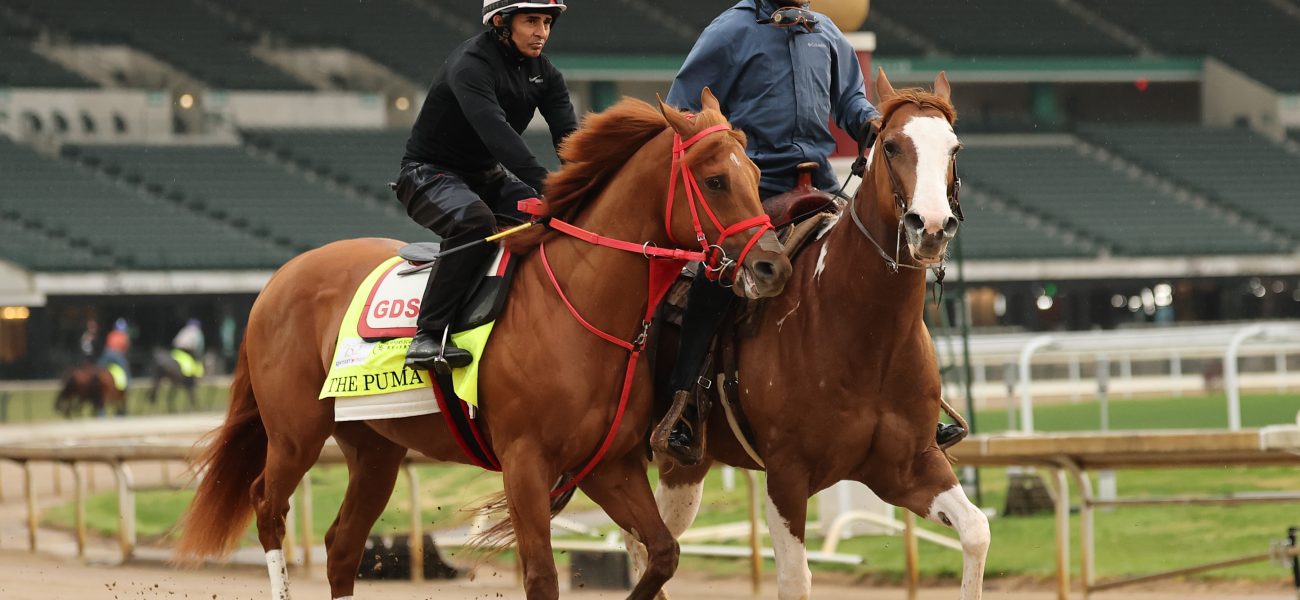
It’s not merely a race; it’s a grand spectacle of capital — and consequence. Take Renegade, for instance, once the undisputed morning-line darling at 4-1, now vying for favoritism with The Puma at 5-1. What shifted? Not just track performance, but a cascade of data points—from the disadvantageous Post 1 draw, historically a statistical quagmire for contenders, to whispers of quarter cracks and ‘special shoes’ that Todd Pletcher, the horse’s usually tight-lipped trainer, has been surprisingly candid about. And, let’s be frank, those details now feed into sophisticated algorithms that redefine value faster than any human handicapper ever could. Policy Wire understands that this isn’t just about horses; it’s about the ever-expanding influence of computational finance on traditional leisure industries.
Lane Gold, a veteran handicapper and host of Kentucky’s Winners Circle, didn’t mince words when dissecting Renegade’s predicament. “He checks a lot of boxes because he’s won the big prep race in the Arkansas Derby. Keeps Irad Ortiz Jr. as a jockey. But what’s working against him are two obvious things: Starting from Post 1 has been a death knell—no one has won from there since 1986. Second, he’s got some quarter cracks in his feet. You’ve got to be on your game in the Derby.” His sentiment underscores a deeper current: the intersection of raw athletic talent and the cold, hard realities of biomechanics and statistical probability.
The Puma, meanwhile, has surged, despite a lack of two-year-old racing experience—a historical anomaly for Derby winners. Only Justify (2018) — and Mage (2023) have defied that particular data point. “He’s a horse on the rise,” Gold observed, acknowledging the market’s often irrational embrace of emerging narratives. Yet, Peter Fornatale, creator of In the Money Media Network, injects a note of caution: “I worry about him being a little bit overbet, and my new concern looking at advanced data—stride length and cadence—he might not be at his best going 10 furlongs. If his price gets up to 12-1, 15-1 he’ll absolutely be on my card.” It’s a candid admission that even the most seasoned analysts are now augmenting gut feelings with granular biometric data, often sourced from proprietary, opaque systems.
And then there’s Commandment, a horse Gold notes “seems to be overlooked a little bit” despite four consecutive wins. His relatively longer odds (8-1) present what some might call ‘value’ in a market increasingly swayed by the flashier narratives of favorites. “The price will be solid on him because he seems to be overshadowed by Renegade or The Puma,” Gold stated, highlighting the behavioral economics at play in betting markets.
Still, the fundamental challenge remains: how to balance the tradition of the “Run for the Roses” with the cold, hard logic of profit and loss? “One doesn’t simply invest in a horse; one invests in a highly volatile, living asset class,” remarked Dr. Amir Hassan, Chief Steward of the Kentucky Racing Commission, his tone devoid of romance. “The regulatory scrutiny involved, particularly with the escalating international interest and—let’s not forget—the intricate web of digital wagering platforms, has grown exponentially. It’s no longer just about fairness on the track; it’s about maintaining market integrity across continents.” Indeed, total wagering on Kentucky Derby Day is projected to exceed a staggering $300 million this year, according to preliminary estimates from Churchill Downs’ own market analysts, a figure that dwarfs the GDP of several small nations and underscores the sport’s immense economic footprint.
📄 POLICY WIRE WHITEPAPER PUBLISHED: PAKISTAN'S NATIONAL SECURITY POLICY PRIORITIES
👉 READ BY CLICKING HEREEven in regions with distinct cultural perspectives on gambling, such as parts of the Muslim world, the allure of equestrian excellence and the associated economic ripple effects find resonance. Private syndicates from Lahore to Jakarta are increasingly eyeing bloodlines with Derby potential, understanding that a single victory here can elevate an entire breeding program’s valuation on the global stage. It’s a testament to the sport’s enduring, if complex, universal appeal.
What This Means
At its core, the Kentucky Derby has evolved beyond a mere sporting event into a microcosm of the global economy’s speculative impulses. The shift from anecdotal handicapping to data-driven algorithms isn’t just about picking winners; it’s about the industrialization of risk assessment. For policy makers, this presents a thorny challenge: how to regulate a rapidly evolving digital betting landscape that transcends national borders, protecting consumers while fostering innovation. The massive sums wagered, and the growing international ownership of top-tier horses, transform this race into a barometer for global capital flows, reflecting not just recreational spending but serious investment in a high-stakes, high-reward sector. It’s an arena where traditional sportsmanship collides with opaque algorithms and the relentless pursuit of economic advantage, often making the “most exciting two minutes in sports” a potent, albeit subtle, bellwether for broader market trends.