


Fading Echoes: Country Legends’ Names Now Symbolize New Mexico’s Animal Welfare Crisis
POLICY WIRE — Española, N.M. — Their names conjure sepia-toned images of a bygone American heartland, steel guitars wailing beneath stadium lights, a collective cultural memory etched deep. Johnny...

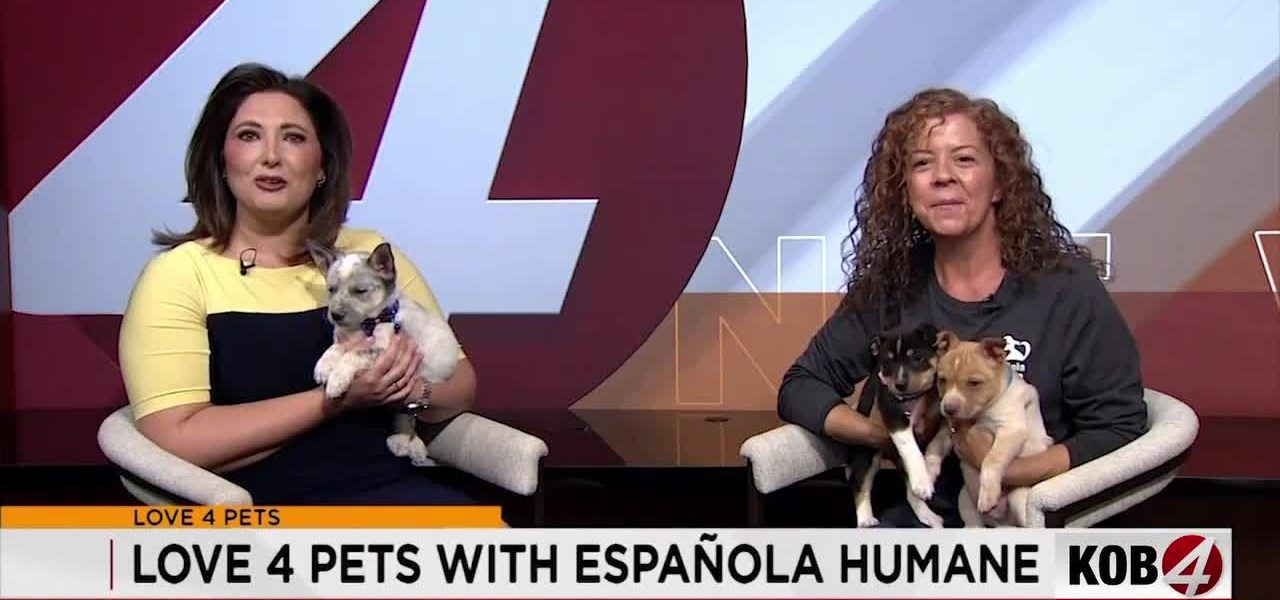
POLICY WIRE — Española, N.M. — Their names conjure sepia-toned images of a bygone American heartland, steel guitars wailing beneath stadium lights, a collective cultural memory etched deep. Johnny Cash, Loretta Lynn, Willie Nelson. But here, in the arid expanse of northern New Mexico, these monikers now attach to a trio of fragile, four-legged survivors, stark emblems of a less romantic, more immediate crisis: the relentless strain on the region’s animal welfare infrastructure.
It’s a peculiar juxtaposition, isn’t it? The legends of country music, once titans of popular culture, now lend their identities to pups battling for their very existence, grappling with the notorious parvovirus. These three, alongside a broader cohort of canine hopefuls—including a gentle, 4-year-old Pit Bull mix named Bully (a name, one might argue, quite at odds with his soulful gaze)—represent the daily, grinding reality confronted by organizations like Española Humane. They arrived at the shelter barely four weeks old, the youngest intake Española Humane’s seen in such a dire condition, a testament to the sheer desperation often preceding their rescue.
Maddie Allen, a spokesperson for Española Humane, articulated the struggle with an air of practiced pragmatism, her voice betraying the weight of countless similar cases. “They’re fighters, these little ones. But their survival isn’t just about their spirit; it’s about a fragile ecosystem of care, resources, and community that’s perpetually stretched thin,” Allen told Policy Wire, gesturing vaguely towards a bustling clinic in the background. “We’re seeing more and more cases like this, extreme vulnerability, which suggests upstream failures—a lack of spay/neuter access, economic hardship, even just basic education on pet care. It’s never just about the animals; it’s always about the humans, too.”
And she’s not wrong. Behind the headlines of cute animal stories, there’s a serious policy conundrum. Shelters nationwide are buckling. A recent report by the ASPCA indicated that approximately 6.3 million companion animals enter U.S. animal shelters nationwide every year. That’s an almost unimaginable deluge for institutions operating on shoestring budgets and the tireless dedication of volunteers. This isn’t merely a New Mexico problem; it’s a symptom of broader societal shifts.
Still, the local specifics lend it particular piquancy. New Mexico, with its unique blend of cultural heritage and economic disparities, often serves as a microcosm for these national pressures. The new clinic Española Humane has managed to establish, a pivotal expansion of its capacity, points to both the urgent need and the remarkable resilience of localized efforts. But can such efforts truly stem the tide?
“We can’t expect local charities to shoulder the entirety of this burden,” shot back State Representative Elena Rodriguez (D-Santa Fe), a vocal advocate for animal welfare legislation, when queried on the issue. “Animal welfare is public health, it’s economic stability—it’s community well-being. When we fail these creatures, we’re failing ourselves. We need robust state funding for spay/neuter programs, for veterinary training, and for emergency animal services, not just fundraisers and bake sales. It’s a fundamental obligation, one we’re currently underperforming on.” Her frustration, it’s clear, isn’t unique.
📄 POLICY WIRE WHITEPAPER PUBLISHED: PAKISTAN'S NATIONAL SECURITY POLICY PRIORITIES
👉 READ BY CLICKING HEREThe plight of these country music-named pups, nursed back from the brink of parvo, echoes struggles far beyond the desert Southwest. In places like Pakistan, for instance—where cultural norms surrounding pets, particularly dogs, can differ markedly from Western sensibilities—the sheer scale of stray animal populations, often malnourished and diseased, presents an even more daunting public health and ethical challenge. The concept of an animal shelter, let alone advanced veterinary care for common ailments, remains a luxury often afforded only by small, underfunded NGOs in major cities. So, while Española Humane fights for its Willie Nelson, countless others in Lahore or Karachi face far harsher, unassisted fates. It’s a grim parallel, underscoring the universality of both animal suffering and the deeply localized, yet globally resonant, nature of compassion and resource allocation.
What This Means
The saga of these New Mexico pups, while heartwarming in its individual outcomes, foregrounds a consequential policy dilemma. The burgeoning demand on animal shelters isn’t a random fluctuation; it’s a direct consequence of socio-economic pressures, including inflationary periods that make pet ownership increasingly unaffordable for many families, and a lingering lack of widespread, accessible preventative care. The reliance on ad-hoc fundraising and volunteerism, however noble, isn’t a sustainable model for a public health issue of this magnitude. Policymakers must grapple with integrating animal welfare into broader public health initiatives, recognizing that unchecked animal populations contribute to disease transmission, unsafe communities, and significant emotional distress for both animals and the people who care for them.
Economically, the cost of neglect—from disease outbreaks to the financial burden on overwhelmed shelters—far outweighs the investment in preventative measures like subsidized spay/neuter clinics and robust public education campaigns. Politically, advocating for animal welfare has traditionally been a niche concern, but its intersection with public health, community safety, and ethical governance means it’s gaining traction. It’s no longer just a ‘pet issue’; it’s an urban policy challenge, a rural development concern, and a humanitarian imperative. The resilience shown by Maddie Allen and her team offers a blueprint for grassroots success, but without systemic governmental support, it remains a battle fought on a perpetually uphill slope.