


Bint Jbeil’s Scarred Earth: The Enduring Blueprint of Deliberate Destruction in Lebanon
POLICY WIRE — Beirut, Lebanon — The ground, they say, remembers. And in Bint Jbeil, a once-vibrant market town nestled precariously in southern Lebanon, the very earth is scarred with an indelible...

POLICY WIRE — Beirut, Lebanon — The ground, they say, remembers. And in Bint Jbeil, a once-vibrant market town nestled precariously in southern Lebanon, the very earth is scarred with an indelible memory of deliberate erasure. It isn’t just about bricks and mortar; it’s the calculated pulverization of a community’s physical manifestation, a strategic calculus that — perhaps counter-intuitively — rarely achieves its intended, decisive geopolitical end.
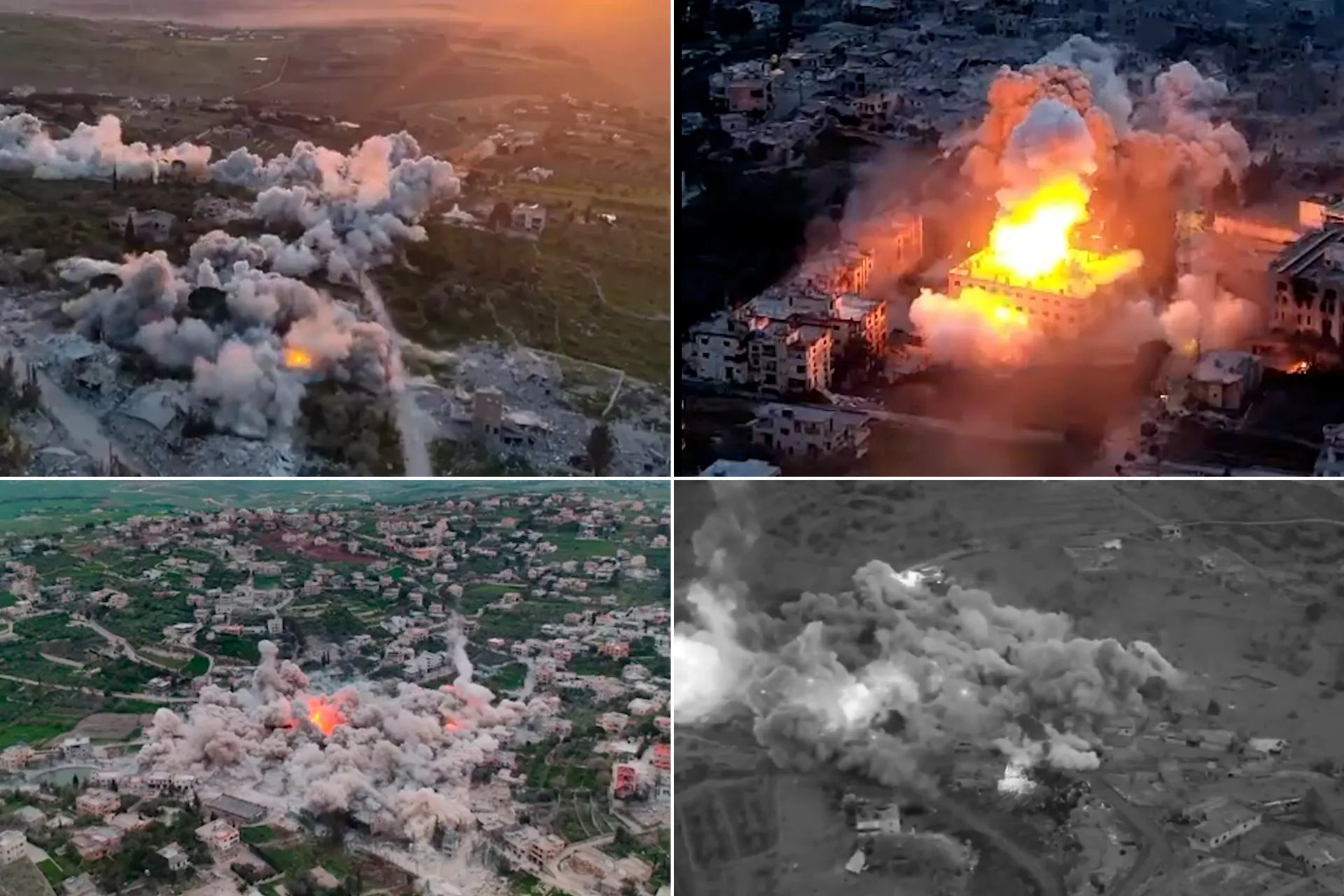
For weeks, the headlines have blared about the relentless, methodical destruction visited upon this Shiite stronghold. What began as skirmishes transmogrified into something far more systematic, a veritable blueprint of devastation. It’s an unsettling pattern we’ve witnessed before, not merely a collateral byproduct of conflict but an operational objective that redefines warfare’s grim arithmetic. Don’t underestimate the psychological impact, either; it’s designed to break more than just infrastructure.
The scale of the damage is stark. Satellite imagery, coldly dispassionate, confirms an almost total architectural void where bustling streets once thrived. Reports from the United Nations Office for the Coordination of Humanitarian Affairs (OCHA) indicated that as much as 90% of Bint Jbeil’s buildings suffered significant damage or complete destruction in a recent conflict cycle, rendering large swaths of the town uninhabitable. This isn’t just a casualty count; it’s a structural decapitation of a place that generations called home.
Behind the headlines, residents — those who survived and could return — confront a lunar landscape. Their homes, businesses, — and public institutions are now little more than fragmented concrete and twisted rebar. So, what does one rebuild when the very memory of a street layout has been bludgeoned from the earth? It’s not just a logistical quandary; it’s a profound existential one for the displaced, the dispossessed. They’ve lost not just property, but tangible links to their past, to their collective narrative.
Israeli defense officials, predictably, frame such actions as regrettable but necessary. “We don’t target civilians, but when an enemy embeds itself within civilian infrastructure, those areas become legitimate targets for our operational security,” a senior Israeli Ministry of Defense official, who preferred to remain unnamed citing ongoing sensitivities, shot back in a recent closed-door briefing. It’s a familiar refrain, one that rarely satisfies those on the receiving end of the ordnance.
And Lebanese officials, facing a monumental humanitarian crisis and an already fractured national economy, decry it as a war crime. “This isn’t about targeting militants; it’s about collective punishment, the deliberate eradication of towns to inflict maximum civilian suffering and displacement,” Lebanese Foreign Minister Abdallah Bou Habib asserted during a frustrated appeal to the UN Security Council. He didn’t mince words, painting a picture of deliberate state-sponsored terror. This isn’t hyperbole; it’s the raw, visceral reality of a population that’s lived through cycles of destruction.
Still, the geopolitical tremors extend far beyond Lebanon’s immediate borders. In Pakistan, for instance, a nation often grappling with its own complex regional dynamics and the anxieties of an evolving global trade landscape, the destruction of Bint Jbeil resonates deeply. It fuels narratives of Western complicity, of a double standard in international law, and intensifies popular outrage among its predominantly Muslim population. Such events aren’t isolated incidents; they’re powerful catalysts for broad anti-Western sentiment and Islamist mobilization, influencing public opinion from Karachi to Cairo.
At its core, Bint Jbeil serves as a stark, modern parable. It’s a place where the strategic objective of neutralizing an adversary becomes inextricably tangled with the wholesale devastation of civilian life, a stark reminder that military might, however overwhelming, often fails to deliver lasting security. Indeed, it often plants the seeds for future, more intractable conflicts. One doesn’t just ‘wipe out’ a town without generating a deep, lasting resentment that transcends generations.
What This Means
The obliteration of Bint Jbeil carries profound — and multifaceted implications, both regionally and internationally. Politically, it deepens the well of sectarian animosity within Lebanon and bolsters the narrative of resistance groups like Hezbollah, reinforcing their claims to defend the nation against external aggression. It gives them potent imagery for recruitment and legitimization, even among those who might otherwise harbor reservations about their political agenda. For Beirut, it presents an almost insurmountable reconstruction challenge, placing further strain on an already bankrupt state that simply doesn’t possess the resources or the political cohesion to undertake such a massive undertaking.
Economically, the impact is catastrophic. Beyond the immediate loss of property, it shatters livelihoods, displaces entire working populations, and cripples local economies that rely on agriculture and cross-border trade. This creates a fertile ground for smuggling, illicit economies, and further reliance on external aid — aid that often comes with its own geopolitical strings attached. such destruction further destabilizes Lebanon, making it less attractive for investment and exacerbating its long-standing brain drain. In the broader Middle East, incidents like Bint Jbeil reinforce a sense of perpetual crisis, hindering efforts towards regional integration and sustainable development. It’s a continuous loop of destruction and destabilization, a brutal economic calculus that makes any path to prosperity seem like an unattainable mirage. And this isn’t just a regional issue; it echoes in broader geopolitical gambits, influencing global perceptions and diplomatic alignments.