


Scudetto’s Eastern Gambit: How Italy’s Top Flight Is Redrawing Global Fandom Maps
POLICY WIRE — SEOUL, South Korea — It wasn’t the iconic Coliseum, nor the Renaissance-era marvels of Florence, but a golden goal in a humid Korean summer that first truly tethered Italian...

POLICY WIRE — SEOUL, South Korea — It wasn’t the iconic Coliseum, nor the Renaissance-era marvels of Florence, but a golden goal in a humid Korean summer that first truly tethered Italian football to the Asian continent. Ahn Jung-hwan’s header in the 2002 World Cup, a stunning repudiation of Italy’s storied defense, sent the Azzurri packing and simultaneously etched Serie A into the collective memory of a burgeoning football market. Decades later, that initial shockwave has matured into a sustained roar, as Italy’s top flight, once considered a relic by some, now commands an escalating devotion among South Korean aficionados.
And it’s not just a passing fancy; it’s a full-blown phenomenon. Behind the headlines touting European Super Leagues and financial fair play conundrums, a quiet revolution has been unfolding in viewership figures across the Pacific. While the commercial behemoths of England’s Premier League or Spain’s La Liga typically dominate global sports discourse, Serie A has subtly, yet effectively, cultivated a fervent following, especially in a nation whose domestic K-League has its own robust, if regionally focused, appeal.
At its core, this ascendant popularity isn’t solely about the tactical intricacies of Maurizio Sarri’s defensive setups or Simone Inzaghi’s blistering counter-attacks. It’s also about legacy, star power, — and the compelling narrative arcs only a 38-game season can provide. From the poetic injustice of Ahn Jung-hwan’s post-World Cup struggles with Perugia – he was, infamously, fired by the club owner for ‘ruining Italian football’ – to the more recent, triumphant exploits of Kim Min-jae, the robust centre-back who anchored Napoli’s historic Scudetto win in the 2022-23 season, the league has offered Koreans a potent blend of drama and identification.
Kim Min-jae’s pivotal role in ending Napoli’s 33-year wait for a league title wasn’t merely a sporting achievement; it was a watershed moment in the commercial nexus of global football. His transfer saga, eventually landing him at Bayern Munich, underscored the brutal economics of modern elite sports, where player value is not just about on-field performance but also market access and brand amplification. Such individual narratives are proving far more potent than abstract marketing campaigns.
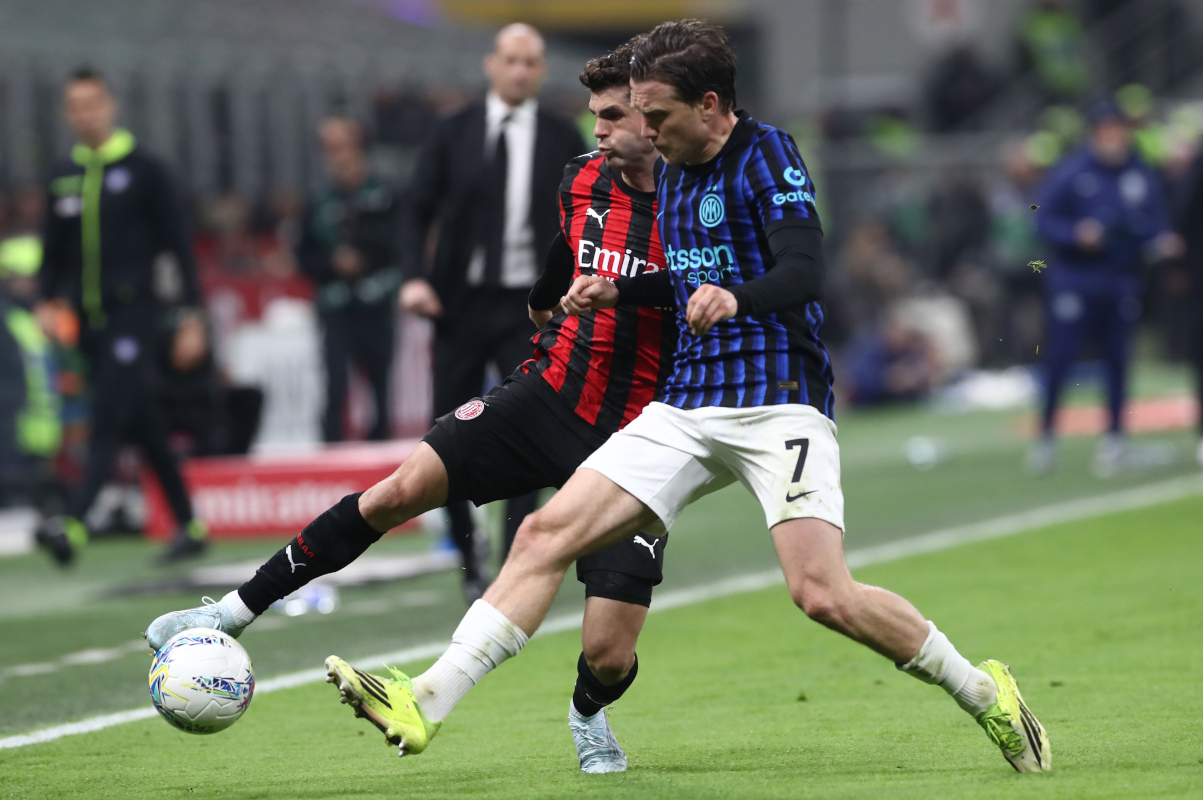
The league itself, once criticized for its predictability during Juventus’s decade-long hegemony, has rediscovered a thrilling volatility. Since 2020, three different clubs—Inter, Milan, and Napoli—have claimed the coveted Scudetto. Inter, currently poised to secure their 20th league title (making it two in the last four seasons), represents a new, albeit temporary, equilibrium. But it’s this very unpredictability that draws eyeballs, particularly in dynamic markets accustomed to rapid shifts in fortune.
“The players have unequivocally demonstrated their competitive mettle in recent years; thus, our commitment to remain at the pinnacle is non-negotiable,” Inter coach Cristian Chivu asserted recently, implicitly acknowledging the tactical shifts that reshaped the club’s trajectory. “When I arrived, the prevailing narrative suggested a team at its twilight. Instead, they’ve engineered a renaissance, rediscovering the insatiable hunger that defines this institution.” It’s a sentiment reflecting a league that’s fought hard to shed its anachronistic image.
This resurgence hasn’t escaped the notice of policymakers — and cultural strategists. “Football transcends mere sport; it’s a profound vector for cultural exchange and soft power, catalyzing economic opportunities and fostering global understanding,” observed Dr. Kim Young-soo, Director-General for International Sports Cooperation at South Korea’s Ministry of Culture, Sports and Tourism. “The deepening affinity for Serie A in our nation isn’t just about athletic prowess; it’s a testament to the interconnectedness of modern societies, where a Florentine derby can captivate audiences in Busan.” Such official recognition underscores the broader geopolitical implications of sports fandom.
And South Korea isn’t an anomaly. This phenomenon serves as a microcosm for European football’s larger push into Asia. While often less publicized, similar, if nascent, fan bases are burgeoning across South Asia and the Muslim world, from Lahore to Jakarta. These regions represent vast, untapped demographics, offering tantalizing prospects for broadcast rights, merchandise sales, and even pre-season tours. According to a recent Dentsu Aegis Network report, Serie A’s broadcast rights revenue from the Asia-Pacific region alone surged by 38% between 2018 and 2023, underscoring the continent’s pivotal role in the league’s financial calculus.
Still, navigating these markets isn’t without its challenges. Cultural nuances, language barriers, and the ubiquitous competition from domestic leagues and other European powerhouses mean that sustained engagement requires deft strategy, not just star players. Yet, as the Kim Min-jae effect demonstrates, a single consequential transfer can ignite a continent. This isn’t merely about Roma’s conundrum of player sales; it’s about the ever-expanding global marketplace for athletic talent and its associated cultural capital.
What This Means
The burgeoning popularity of Serie A in South Korea signals a broader recalibration in the global sports economy. For Italian football, it’s a vital diversification of revenue streams, lessening reliance on traditional European markets and offering a buffer against domestic economic fluctuations. It represents a significant soft power triumph, exporting Italian culture—its passion, its history, its tactical brilliance—beyond conventional borders, fostering diplomatic goodwill and cultural exchange. Economically, this translates into increased broadcast rights valuations, greater opportunities for sponsorship, and a bolstered profile that attracts investment. For South Korea, the embrace of Serie A reflects both a sophisticated and globalized consumer base, eager for premium entertainment, and a strategic interest in international sporting ties. It also highlights how individual player narratives, like Kim Min-jae’s, can become powerful engines for cultural penetration and market growth, ultimately shaping the financial destinies of clubs and leagues alike. The relentless pursuit of global audiences isn’t just about growing the game; it’s an imperative for survival and prosperity in an increasingly interconnected, and fiercely competitive, international sports landscape.