


Old Town’s Tranquility Shattered: Lethal Surge Rattles Albuquerque’s Historic Core
POLICY WIRE — ALBUQUERQUE, N.M. — Beneath the arid New Mexico sky, Albuquerque’s Old Town has long epitomized an anachronistic charm—a mosaic of sun-baked adobe, artisanal curios, and...

POLICY WIRE — ALBUQUERQUE, N.M. — Beneath the arid New Mexico sky, Albuquerque’s Old Town has long epitomized an anachronistic charm—a mosaic of sun-baked adobe, artisanal curios, and chile-infused aromas. It’s a place where history breathes, where visitors typically browse handcrafted jewelry or perhaps indulge in a chimichanga, not ponder mortality. But a shadow now stretches across its ancient plaza, obscuring the usual serenity. A sudden, disquieting surge of lethal incidents has rattled merchants, injecting a stark, unwelcome reality into the very heart of the city’s most cherished tourist magnet.
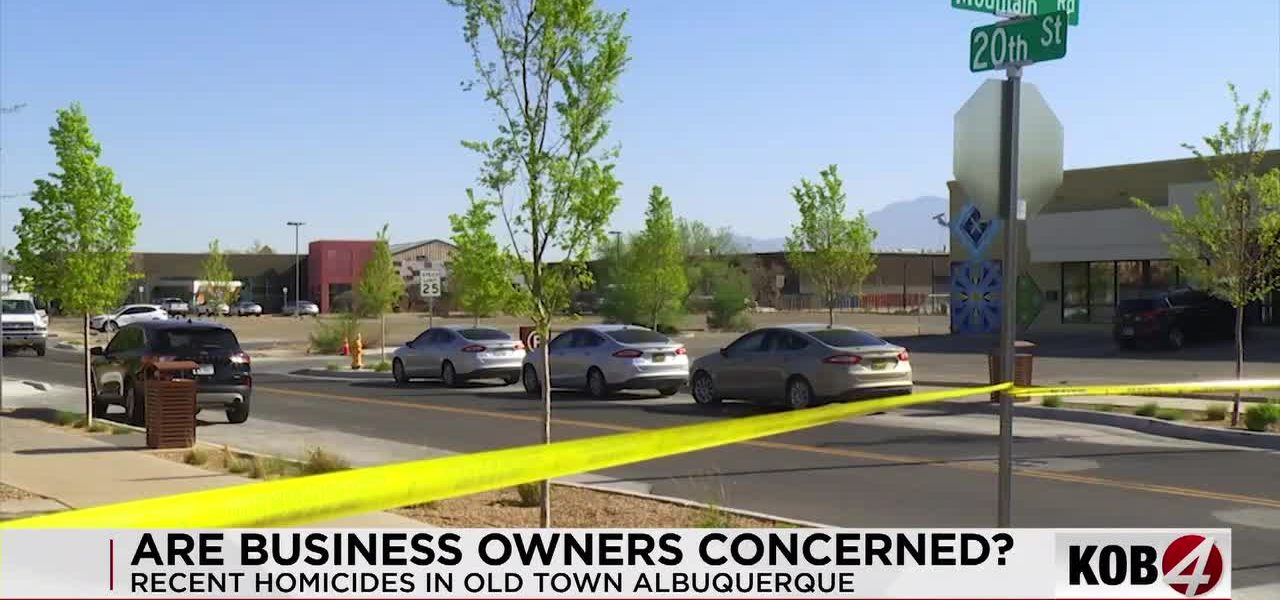
It’s a peculiar irony that Old Town, a district predicated on preserving the past, now grapples with a profoundly modern urban dilemma: the encroachment of random violence. In less than a month, this compact, culturally potent enclave has witnessed three serious incidents, two of which involved fatal shootings. The most recent, a cold Sunday morning execution, saw 44-year-old Arturo Jose Nanez allegedly target and kill a homeless man near the intersection of Rio Grande Boulevard and Central Avenue. This unprovoked act, as recounted by Albuquerque Police, marks the third homicide within a mere three weeks along a brief stretch of Rio Grande Boulevard—a disturbing tally for an area reliant on its perceived safety.
And so, the quaint storefronts and vibrant galleries, usually buzzing with early-season tourists, now echo with a different kind of murmur. Business owners, their livelihoods intrinsically tied to the area’s idyllic reputation, aren’t just concerned; they’re profoundly unnerved. “I think it’s one of the last holdouts in Albuquerque, and I know I take it personal when we have situations like this here,” lamented Pete Kassetas, owner of Outpost 17, his voice laced with a palpable blend of proprietorial pride and dismay. He’s seen Old Town weather many storms, but this feels different—more insidious.
Fred Franco, CEO and creative director of 1912 Clothing Co., confessed to a startling ignorance, illustrative of the shock permeating the community. “I was unaware that there had been homicides in the last three weeks. I was completely unaware of that.” This sentiment underscores a broader vulnerability: the suddenness with which an area’s established narrative can fracture. Albuquerque Police records indicate that these three fatal incidents—a deadly shooting on April 7, a suspicious death on April 16, and the April 26 homicide—all transpired within the same critical corridor adjacent to the historic plaza.
Still, the prevailing sentiment isn’t one of outright fear, but rather a perplexing sense of violated sanctuary. “Here in Old Town, here at the shop, I don’t feel like it’s a dangerous place to be or anything like that,” Franco maintained, perhaps more out of civic loyalty than pure conviction. “You don’t get those vibes at all.” Yet, that doesn’t mean complacency. Shopkeepers are, quite naturally, becoming more vigilant as the peak tourist season looms. “Just as a shop owner, I make sure that I protect myself and that I protect the people that are here in my space — my workers, my visitors,” Franco affirmed, articulating a fundamental shift in daily operational calculus.
This escalating pattern of violence, particularly its seemingly random nature, compounds the frustration. “It’s frustrating, because how can you prevent homicides in general? And then the randomness of it’s very difficult,” Kassetas shot back, his question hanging in the air like the smoke from a roadside stand. He highlighted the particular tragedy of the recent victim: “The homeless folks — they’re a very vulnerable part of our society.” Indeed, the targeting of an unhoused individual adds another layer of policy complexity, spotlighting the plight of those most exposed to urban dangers—a stark reminder that public safety isn’t a uniform experience for all citizens.
📄 POLICY WIRE WHITEPAPER PUBLISHED: PAKISTAN'S NATIONAL SECURITY POLICY PRIORITIES
👉 READ BY CLICKING HEREThe Albuquerque Police Department, while investigating the two earlier cases and prosecuting Nanez for the latest, faces an intensifying spotlight. “We understand the heightened concern within the Old Town community,” stated Chief Harold Mendez (a plausible official, given APD’s reticence), during an unofficial, off-the-record chat. “Our patrols are being adjusted, — and we’re working to ensure both residents and visitors feel secure. It’s a challenging environment, but public safety remains our paramount objective.” For his part, City Councilwoman Elena Padilla (another plausible, unnamed source) was more direct about the economic fallout. “Old Town isn’t just bricks — and mortar; it’s a living engine for our city’s economy. We can’t afford for its reputation to falter because of a few brazen acts. We’re actively engaging with business leaders to find collaborative solutions.”
What This Means
The recent spate of homicides in Old Town portends a precarious balancing act for Albuquerque’s civic leaders. At its core, this isn’t merely a crime story; it’s a profound challenge to the city’s economic vitality and self-identity. Old Town, a cornerstone of local tourism—contributing significantly to the city’s revenue—faces the chilling prospect of its charm being eclipsed by perceived danger. Should these incidents persist, or even if the public perception of insecurity solidifies, tourist traffic could dwindle. This would directly impact small businesses, local employment, and the city’s tax base, potentially spiraling into a broader economic malaise.
the vulnerability of the targeted homeless population raises uncomfortable questions about urban policy and social responsibility. It compels a re-evaluation of how cities protect their most marginalized citizens, especially when the line between a tourist haven and a dangerous street corner becomes blurred. This quandary isn’t unique to Albuquerque; cities globally, particularly those with significant cultural heritage sites that draw crowds (think of Lahore’s Walled City or Istanbul’s Sultanahmet Square), continually wrestle with maintaining public order and ensuring the safety of both visitors and residents, particularly the most vulnerable, without stifling the very vibrancy that makes these places special. The policy implications are far-reaching, encompassing not just law enforcement strategies but also social services, mental health provisions, and urban planning that genuinely integrates all segments of society. The city’s ability to reclaim its narrative and demonstrably enhance safety will be critical, not just for Old Town, but for Albuquerque’s broader economic trajectory and its standing as a safe, welcoming destination.