


Central Texas Softball: Beyond the Diamond, a Regional Powerhouse Forges Civic Identity
POLICY WIRE — Austin, Texas — It wasn’t just a weekend of high school softball; it was a resounding declaration from Central Texas: a region, often overshadowed by its larger metropolitan...

POLICY WIRE — Austin, Texas — It wasn’t just a weekend of high school softball; it was a resounding declaration from Central Texas: a region, often overshadowed by its larger metropolitan cousins, capable of fostering unparalleled competitive excellence. Thirteen local teams didn’t just participate in the UIL state playoffs’ bi-district round; they absolutely steamrolled their opponents, securing a collective passage to the area round with an almost brazen confidence. And this isn’t merely about balls and strikes; it’s about the intricate ecosystem — the parental dedication, the district funding, the tireless coaching — that cultivates such formidable athletic prowess, shaping communities in ways rarely tabulated in a box score.
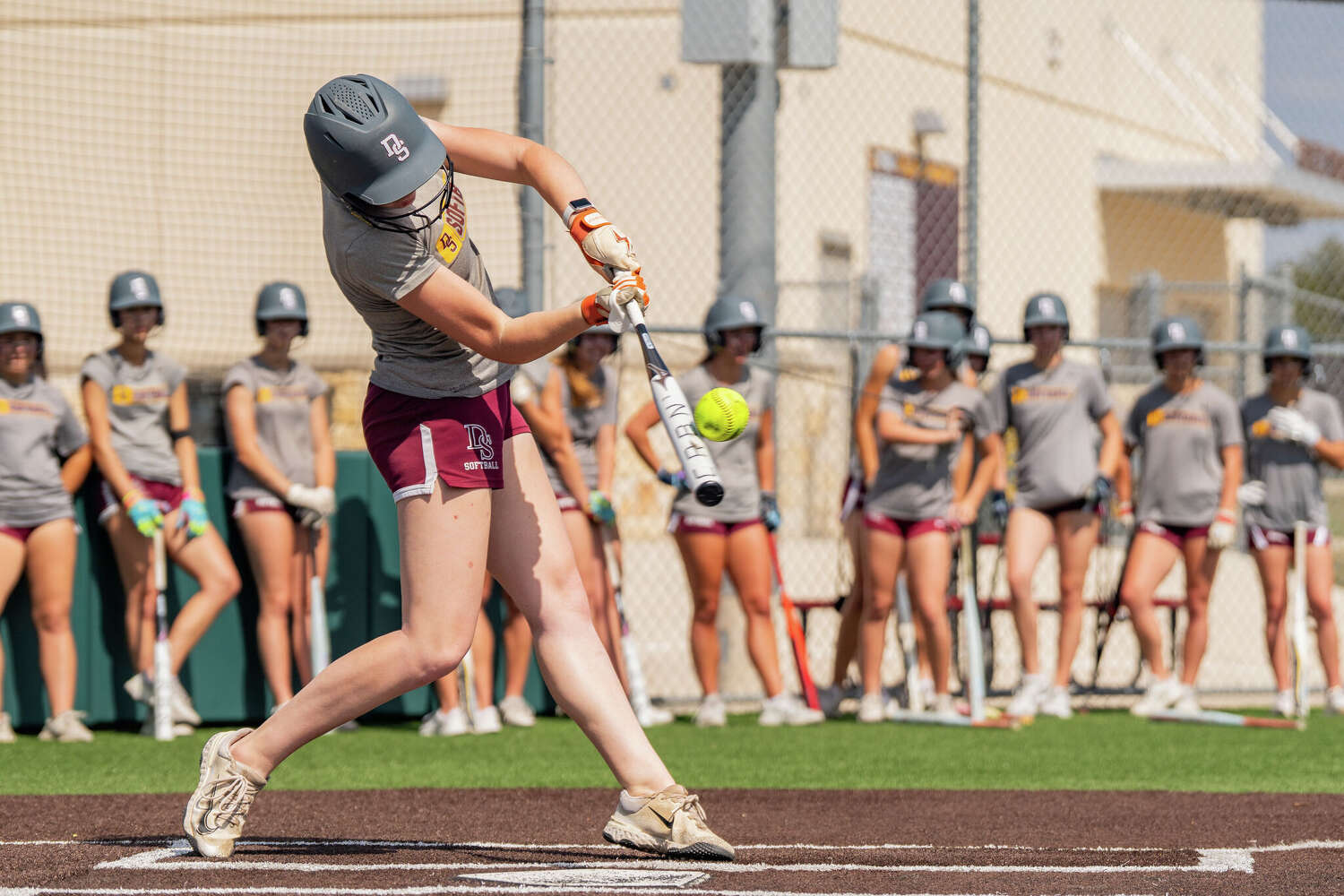
Consider Dripping Springs, perennial powerhouses, whose Tigers roared past Cedar Ridge with 11-3 — and 11-1 victories. Their standout, Lorelei Gamble (a future Texas Longhorn, no less), isn’t just leading the nation with 18 home runs; she’s emblematic of a rigorous development pipeline. Emma Phillips, too, delivered a crushing performance, accumulating six hits — and six RBIs. Then there’s Hutto, which, after spotting Lake Travis an early lead, swept their series 6-2 and 16-6. These aren’t isolated incidents; they’re symptoms of a systemic, regional dedication to youth sports that reverberates far beyond the chalk lines of the diamond.
But how does such a localized triumph acquire broader policy resonance? At its core, these victories underscore the tangible benefits of robust community investment in youth programs. “This isn’t just about wins on the field; it’s about cultivating tenacity, leadership, and a profound sense of teamwork – qualities that translate far beyond the diamond into our communities and workforce,” asserted Dr. Evelyn Reed, Superintendent for the fictional Liberty Hill Independent School District, during a recent district budget hearing. She isn’t wrong. The discipline required to excel at this level, the ability to perform under pressure, the understanding of collective effort over individual glory – those are lessons that resonate in boardrooms and legislative chambers alike.
So, as Leander pounded New Braunfels, and Hendrickson secured a walk-off victory against McCallum, a larger narrative unfurls. The sheer number of teams advancing—Dripping Springs, Bowie, Vista Ridge, Hutto, Leander, Liberty Hill, Weiss, Georgetown, East View, Hendrickson, Smithville, Thrall, and Jarrell—isn’t accidental. It reflects a regional ethos where high school sports aren’t just extracurriculars; they’re integral components of civic identity. For many towns, a winning team isn’t just a source of pride; it’s a critical factor in local real estate values and even political campaigns (yes, it really is).
Still, the dedication to organized sports, particularly for young women, offers a stark contrast to development trajectories in other parts of the world. While these Texan towns pour resources into fostering female athletic excellence, many nations, especially across parts of the Muslim world or South Asia, grapple with cultural norms or resource limitations that often curtail such opportunities. Imagine the impact of similar, widespread investment in female sports in, say, Pakistan’s Punjab province or Bangladesh’s rural districts – a potential for empowerment that remains largely untapped. Here, in Central Texas, it’s almost taken for granted, a cornerstone of adolescence. Indeed, according to the Texas UIL’s most recent annual report, over 840,000 students statewide participate in interscholastic activities, a testament to the organizational heft underpinning these local triumphs.
The success isn’t just visible on the scoreboard. Mayor Robert Henderson of Hutto, commenting on his town’s thriving programs, remarked, “The vibrancy of our youth programs, exemplified by these athletes, reflects directly on our region’s overall health and desirability for families and businesses alike. We’re investing in our future, aren’t we?” His observation isn’t a platitude; it’s a tacit acknowledgement of the economic and social capital generated by these programs. A town with winning teams often attracts new residents, who see thriving schools — and community engagement. It’s a virtuous cycle.
Behind the headlines and highlight reels, there’s a nuanced understanding that success here isn’t just about raw talent. It’s about strategic planning, year-round commitment, — and the cultivation of a competitive spirit. These teams don’t just win; they often win decisively, leaving little doubt about their methodical preparation—a critical tactical advantage in any arena. They’re showcasing, implicitly, the power of concentrated local effort and the enduring, perhaps even surprising, strength of the American high school sports model.
What This Means
This concentrated athletic success in Central Texas extends far beyond mere bragging rights; it signals a robust investment in human capital that carries significant political and economic implications. For one, the consistent performance of these high school programs bolsters regional identity and civic pride, which can translate into stronger community cohesion and increased voter engagement in local issues. Economically, these flourishing programs contribute to a desirable living environment, attracting families who prioritize quality education and extracurricular opportunities, thereby driving up property values and stimulating local businesses that cater to school-aged populations. the pipeline of talent, often leading to college scholarships (like Gamble’s), represents an investment in individual futures, potentially reducing brain drain and enriching the local workforce in the long term. It’s a clear demonstration that what happens on the ball field can, and often does, echo loudly in the halls of civic and economic power.