

The Whispered Question: A VAR Video, a Knock on the Door, and Serie A’s Integrity Under Siege
POLICY WIRE — Milan, Italy — It wasn’t the thunderous roar of the crowd, nor the whistle of the referee, that ignited Serie A’s latest imbroglio. Rather, it was a quiet, almost furtive...

POLICY WIRE — Milan, Italy — It wasn’t the thunderous roar of the crowd, nor the whistle of the referee, that ignited Serie A’s latest imbroglio. Rather, it was a quiet, almost furtive question – “Is that a penalty?” – uttered by a Video Assistant Referee (VAR) official in the hushed confines of a review booth. That fleeting query, captured on film, now stands as the pivotal evidence in a sprawling investigation into suspected sports fraud, with the league’s top referee designator, Gianluca Rocchi, at its uncomfortable epicentre. It’s a testament to how the smallest deviations can expose the most entrenched systemic vulnerabilities.
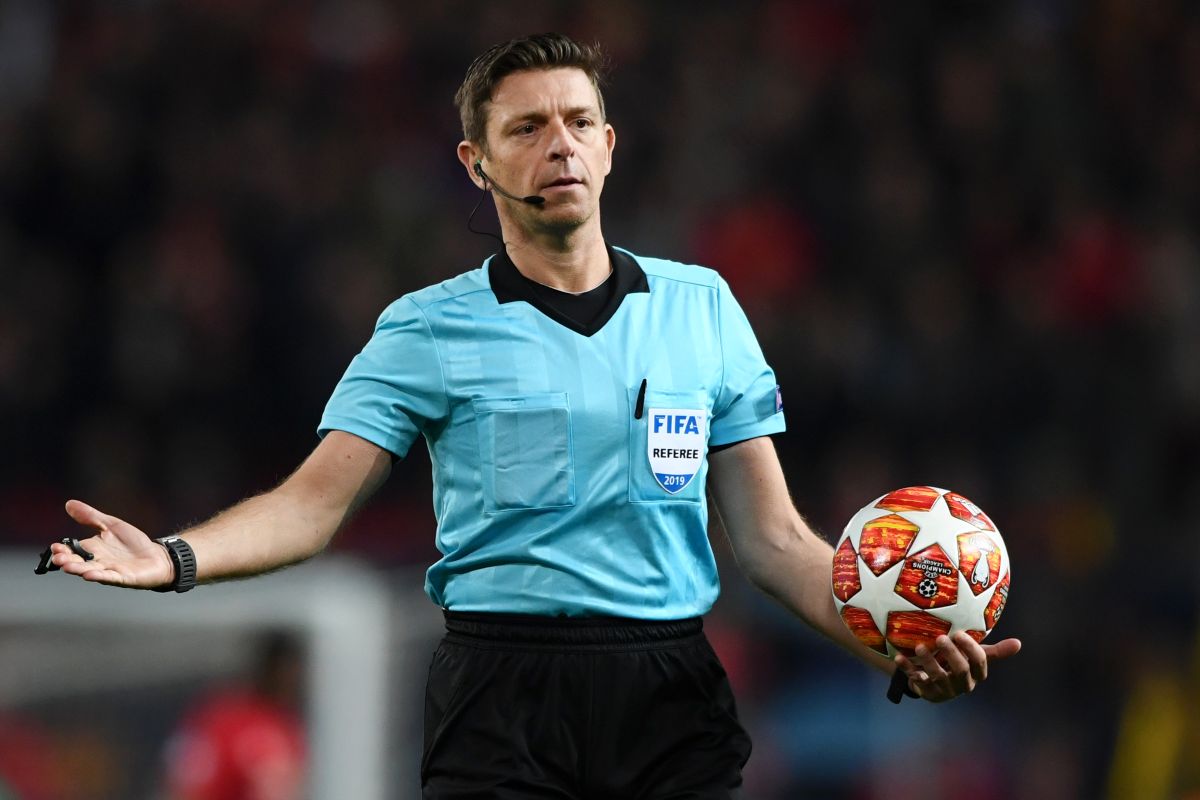
The scene in question, now under intense scrutiny by Milanese prosecutors, dates back to a match on March 1, 2025 (a date that suggests this scandal is unfolding even as we speak, a prescient unraveling of future indiscretion). VAR official Daniele Paterna was meticulously reviewing a potential handball incident during a Udinese versus Parma fixture. Initial assessment? No penalty; the Parma player’s arm hadn’t, in his estimation, unnaturally augmented the body’s silhouette. But then, a subtle turn of Paterna’s head, a whispered question directed off-camera, changed everything. Investigators allege this was no spontaneous query. They contend Paterna was addressing none other than Rocchi himself, who had allegedly — and quite improperly — rapped on the VAR room door, insisting a pitchside review was imperative. Such an intervention, plain and simple, shatters VAR regulations, which demand absolute independence for the three VAR officials and the on-field referee.
Rocchi, a figure once synonymous with Italian officiating excellence, now finds his illustrious career overshadowed by these grave allegations. The 52-year-old, whose reputation once soared, has since ‘suspended himself’ from his duties. Yet, his public posture remains one of defiance. “I’m confident,” Rocchi reportedly opined shortly after the news broke, “that I’ll emerge from this situation stronger than before, my integrity vindicated.” A bold claim, considering the weight of the evidence prosecutors assert they possess.
But the controversy doesn’t stop at a single video. Rocchi also faces accusations of having intentionally selected referees deemed favorable to Inter during the 2024-25 campaign. This adds a layer of partisan manipulation to the mix, moving beyond mere procedural breach to allegations of outright bias designed to sway championship races. It’s a familiar echo in Italian football’s tumultuous history, a ghost that refuses to stay buried. One might recall the infamous Calciopoli scandal, for instance, which decimated reputations — and reshaped the league. Serie A, after all, isn’t unfamiliar with its officiating chiefs wading into rather murky waters.
“The sanctity of the game demands transparency and unwavering adherence to protocol,” shot back Vittorio Rossi, a spokesperson for an independent football ethics watchdog, in a terse statement to Policy Wire. “Any attempt to influence VAR decisions from outside the designated officiating team isn’t just a breach of rules; it’s an assault on the very credibility of the sport.” And that credibility, for a league that draws millions of eyeballs globally—including a significant fanbase across the Muslim world and South Asia, where football is a passionate, unifying force—is an irreplaceable asset. These regions, known for their fervent dedication to European football, invest not just viewership but emotional capital into the perceived fairness of every match. For them, Serie A isn’t just a spectacle; it’s a narrative built on the premise of impartial competition.
The Milan Prosecutor’s office is set to hear Rocchi on April 30. And whatever the outcome, the very public nature of this investigation, spurred by a seemingly innocuous visual artifact, has already inflicted damage. The video, depicting Paterna’s reluctant initial assessment shifting under alleged external pressure, represents a tangible fracture in the edifice of VAR’s supposed objectivity. It’s no longer just about human error, but potentially human interference.
Still, the stakes are undeniably high. VAR, introduced to quell contentious decisions, often faces its own existential crises. A 2023 analysis by Opta found that while VAR increased the number of correct ‘major incident’ decisions by approximately 8%, incidents like the one involving Rocchi threaten to undermine even these modest gains. The technology was meant to be an impartial arbiter, a digital guardian against injustice. But if the guardians themselves are compromised, what then?
What This Means
At its core, this episode transcends a mere football scandal; it’s a stark reminder of the perpetual struggle for integrity within high-stakes, high-money enterprises. Politically, the Italian football federation (FIGC) faces immense pressure to demonstrate robust governance. A failure to prosecute or, conversely, an overly punitive response, could have ripple effects, impacting sponsorships, league valuations, and even Italy’s standing in international football bodies. Economically, the erosion of trust directly translates to diminished brand value for Serie A. Viewers, particularly those in lucrative global markets who consume content via vast digital networks, demand — and pay for — a clean game. Any hint of manipulation, perceived or actual, threatens to alienate this crucial audience, potentially impacting broadcasting deals and club revenues. It’s an inconvenient truth: the purity of the sport isn’t just an ideal; it’s a significant financial driver. This entire saga underscores a deeper systemic challenge: how does one safeguard neutrality when human influence, however subtle, can insinuate itself into ostensibly objective processes?