


Cricket’s Volatile Crown: A Single Day’s Imperial Shake-Up in the IPL’s Economic Crucible
POLICY WIRE — Mumbai, India — The coveted Orange Cap, usually a symbol of sustained dominance in the Indian Premier League, became a frantic carousel on Sunday, performing more pirouettes in 24 hours...

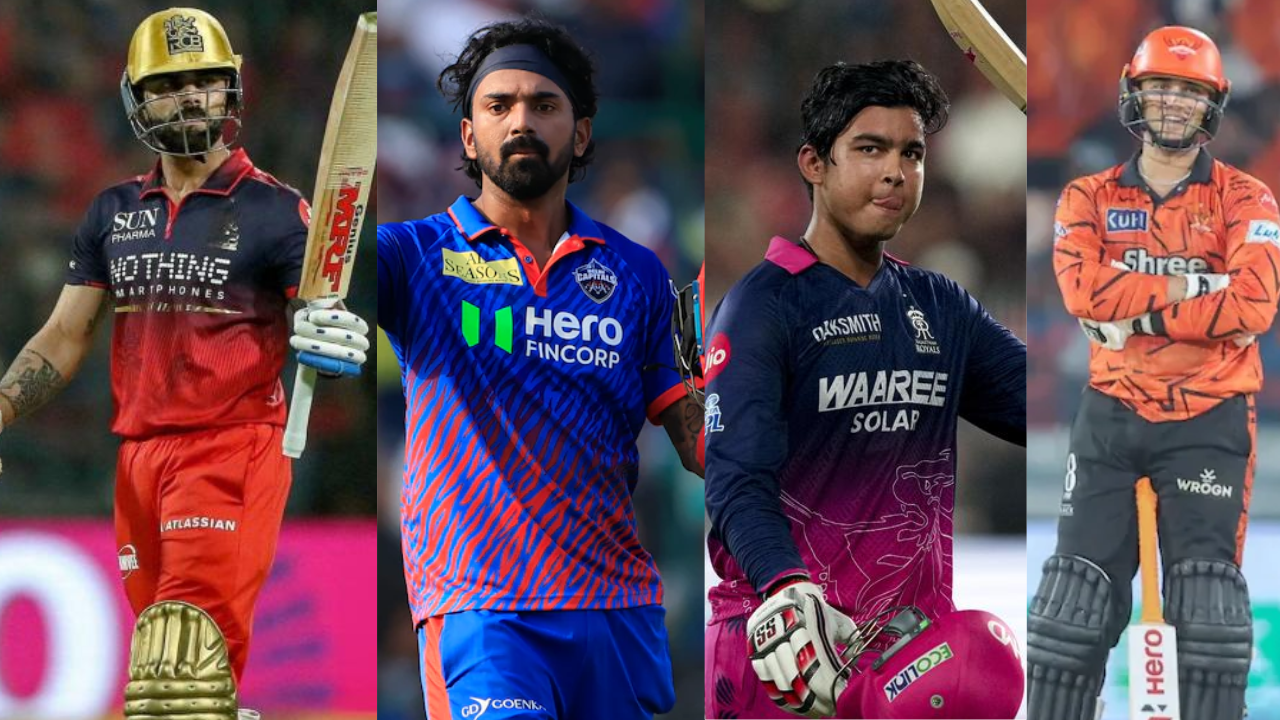
POLICY WIRE — Mumbai, India — The coveted Orange Cap, usually a symbol of sustained dominance in the Indian Premier League, became a frantic carousel on Sunday, performing more pirouettes in 24 hours than a seasoned ballet troupe. What began with Virat Kohli perched comfortably atop the leaderboard, a familiar fixture, concluded with a relatively unheralded Abhishek Sharma seizing the mantle—a dizzying descent and ascent that underscores the league’s brutal, beautiful dynamism.
It’s a micro-drama that, beneath the veneer of sporting spectacle, reveals a hyper-competitive market where individual fortunes can transmute with breathtaking velocity. Kohli, darling of the masses and perennial accumulator, had cemented his position Saturday night with a match-defining 81 against the Gujarat Titans. He likely slept soundly, convinced of his temporary supremacy. But the cricketing deities, it seems, had other plans.
Sunday unfurled with a vengeance, each subsequent match chipping away at the established hierarchy. First, KL Rahul, with an almost imperious unbeaten 152 against the Punjab Kings, propelled himself to the pinnacle. A majestic, almost classical innings, it seemed to promise stability. But stability, in this league, is a mirage. By evening, Vaibhav Sooryavanshi had already leapfrogged Rahul, courtesy of his second century of the season—an equally explosive, if less celebrated, exhibition of power hitting. And then, the final, decisive thrust.
Abhishek Sharma, a name that wouldn’t have dominated many pre-season discussions, completed the astonishing coup. His match-winning 57 against the Rajasthan Royals, a display of audacious stroke-making, didn’t just secure a victory for his team; it installed him as the new claimant to the Orange Cap. He currently boasts 380 runs from eight matches, at an average of 54.29, complemented by an explosive strike rate of 212.29. Sooryavanshi sits a close second with 357 runs, his own blistering strike rate of 234.87 keeping him narrowly ahead of Rahul, who also accrued 357 runs but from seven matches.
This isn’t just sport; it’s a living, breathing economic ecosystem where fortunes and reputations can pivot on a single innings,” remarked Jay Shah, Secretary of the Board of Control for Cricket in India (BCCI), known for his pragmatic view of the league’s commercial might. “The IPL’s inherent competitiveness ensures no player can afford complacency, not for a moment.” And that’s the rub, isn’t it? The sheer volume of high-stakes play ensures constant churn.
Still, the rapid succession of leadership changes illustrates the league’s deepening talent pool and its extraordinary capacity for individual brilliance to explode onto the global stage. It’s a spectacle that captivates hundreds of millions across South Asia and beyond, cementing cricket’s cultural dominance from the Arabian Sea to the foothills of the Himalayas. The league’s commercial success, meticulously cultivated over years, means that even a temporary holding of the Orange Cap can significantly elevate a player’s brand value—a phenomenon perhaps best explored in the broader context of how Bollywood meets billions in the IPL.
The implications ripple outwards. Aspiring cricketers in Pakistan, Bangladesh, and Afghanistan, observing such rapid ascents, surely view the IPL not just as a sporting arena, but as a direct pathway to international recognition and significant financial security. Dr. Aisha Khan, a Karachi-based sports economist, observed, “The IPL isn’t merely entertainment; it’s a micro-economy of individual brands. Players, much like startups, see their market value fluctuate wildly with every performance. It’s a compelling, if brutal, reflection of talent-driven economies across the subcontinent.” The league offers unparalleled exposure, a gilded stage where a single match can launch a career or recalibrate an established one.
What This Means
At its core, this extraordinary Sunday in the IPL reveals a deeper truth about modern, hyper-capitalized sports leagues: individual performance dictates instantaneous value. No longer is consistent, albeit slow, accumulation enough. The market demands bursts of explosive excellence. This volatility reflects not just athletic prowess but also the strategic imperative of teams to invest in dynamic players who can alter games in an instant. For broadcasters and sponsors, such unpredictability is gold, keeping audiences glued to screens, desperate not to miss the next seismic shift. It underscores the league’s economic engine, which thrives on narrative twists — and individual heroics. The Orange Cap, then, isn’t just a trophy; it’s a living index of peak performance, a highly visible, instantly updated market cap for the league’s most prolific batters. Its frequent change of hands isn’t a sign of instability, but rather a testament to the sheer depth of talent and the cutthroat nature of a league that consistently pushes the boundaries of sporting and commercial ambition.
The IPL, despite its Indian origins, continues to be a unifying cultural and economic force across the wider South Asian region, demonstrating how shared passion can transcend geopolitical friction, even if only on a cricket field.