

Florida’s Shattered Dream: The Unseen Peril Haunting International Aspirations
POLICY WIRE — Tampa, Florida — The American dream, for many, is a beacon — a distant, shimmering promise of scholarship and opportunity. For Zamil Limon and Nahida Bristy, two...

POLICY WIRE — Tampa, Florida — The American dream, for many, is a beacon — a distant, shimmering promise of scholarship and opportunity. For Zamil Limon and Nahida Bristy, two brilliant doctoral candidates from Bangladesh, it wasn’t just a fantasy; it was a tangible reality unfolding in the sun-drenched campuses of the University of South Florida (USF). They’d traversed continents, leaving behind the familiar cacophony of Dhaka for the quieter hum of academia, only to meet an unfathomable end not in a foreign land’s perils, but within the supposed sanctuary of their own residence.
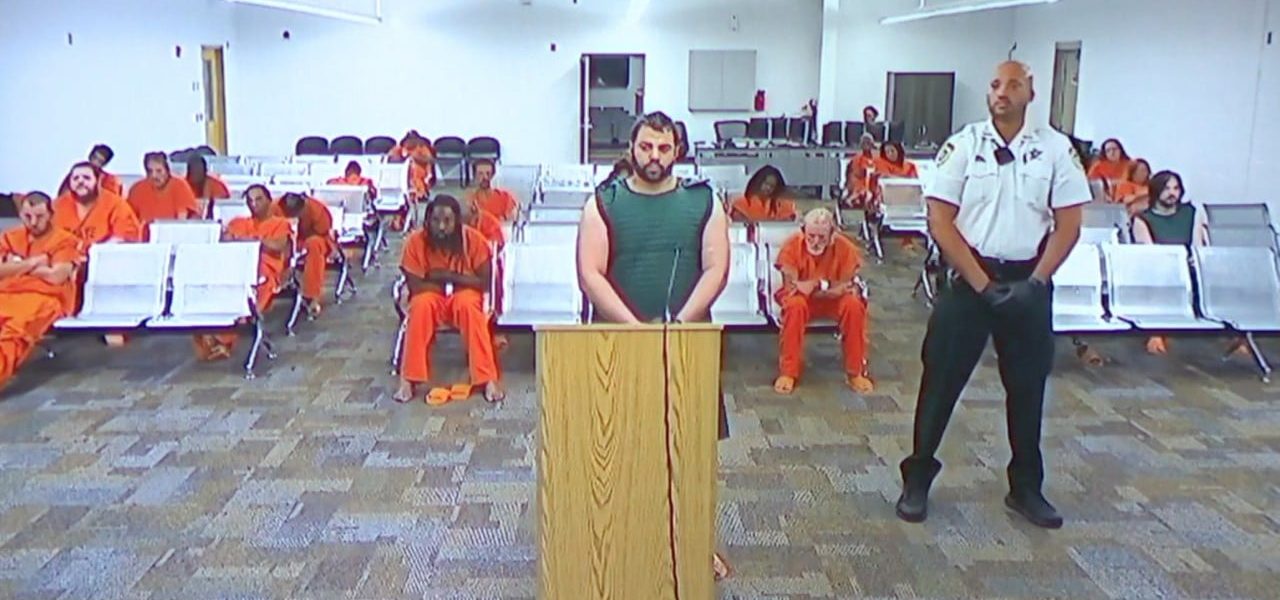
It isn’t a headline about geopolitics or trade disputes; it’s a gut-wrenching narrative of shattered potential. Hisham Abugharbieh, 26, a former USF student — and their erstwhile roommate, now faces two counts of premeditated murder. The Hillsborough County Sheriff’s Office alleges he orchestrated the deaths of Limon and Bristy — a brutal end for two young minds poised to contribute significantly to their fields. He made an initial court appearance Saturday in Tampa, a solemn bookend to a desperate search.
The tragedy reverberates far beyond Tampa. It rips through the close-knit Bangladeshi diaspora — and sends a chilling tremor through academic circles globally. Limon and Bristy weren’t just students; they were embodiments of their nation’s fervent hope for intellectual advancement. They represented countless families’ sacrifices, pooling meager resources to send their brightest abroad, believing implicitly in the safety and prestige of American institutions. And then, this. A silence — profound — and permanent — where vibrant futures should have been.
Still, the granular details, as they emerge from the Hillsborough County Sheriff’s Office, paint a grim picture of domestic horror. The disappearance, the anxious wait, — and then the crushing confirmation. It’s a stark reminder that even in an environment engineered for intellectual pursuit, the most primordial threats can materialize. This wasn’t just a crime; it was an egregious breach of trust, a betrayal of the sanctity of shared living, a grim reality as stark as any political upheaval. "This wasn’t just a crime; it was an egregious breach of trust, a betrayal of the sanctity of shared living," Hillsborough County Sheriff Chad Chronister stated, his voice reportedly grim, addressing the press.
But what does this say about the broader experience of international students? They arrive, often solitary, navigating a new culture, a new language, — and a new academic system. Housing, especially affordable housing near university campuses, can be a perennial challenge, often pushing them into shared living arrangements with strangers — a common, yet often overlooked, vulnerability for those far from home. The relentless pursuit of academic distinction, much like the brutal calculus of athletic endurance, often demands profound sacrifice, sometimes unforeseen.
In Bangladesh, the news would have landed like a thunderclap. Families, friends, and the academic community would be grappling with a visceral grief, questioning the very fabric of the promise that America had once held. It’s not merely two lives lost; it’s a thousand deferred hopes, a generation’s aspiration wounded. According to the Institute of International Education’s Open Doors report, over 1.05 million international students were enrolled in US universities in the 2022-2023 academic year, with a significant number — upwards of 13,000 — hailing from Bangladesh. Each one carries a story, a family’s investment, a nation’s quiet pride.
📄 POLICY WIRE WHITEPAPER PUBLISHED: PAKISTAN'S NATIONAL SECURITY POLICY PRIORITIES
👉 READ BY CLICKING HERE"Our campus community is reeling. We extend our deepest condolences, but we also must critically examine the systems meant to protect every student, especially those far from home," a somber USF President Rhea Law was quoted saying in a campus-wide memo, reflecting the institution’s difficult position. They’re left to process not just the crime, but its profound implications for attracting and safeguarding foreign talent.
What This Means
At its core, this tragedy isn’t just a local crime story; it’s a consequential international incident in miniature. It underscores the vulnerabilities inherent in the globalized pursuit of education. Economically, universities rely heavily on international student tuition, which often exceeds in-state rates. A perceived decline in safety — particularly for students from Muslim-majority countries like Bangladesh — could deter future enrollments, impacting institutional budgets and America’s soft power.
Politically, the incident could strain perceptions of the United States as a safe destination for higher learning, especially in South Asia and the broader Muslim world. Governments in these regions often face domestic pressure to ensure the welfare of their citizens studying abroad. A case like this, with its chilling intimacy and perceived lack of preventative measures, fuels narratives of foreign perils and institutional neglect. It ignites a conversation — often hushed, sometimes shouted — about whether the ‘American dream’ comes with an unacceptably high premium of personal risk. And for the families left bereft in Dhaka, it’s not a policy debate, but a raw, poignant wound that won’t soon heal.