


The Delhi Inferno: Rahul, Rana, and the Perilous Pursuit of IPL Immortality
POLICY WIRE — New Delhi, India — In a league perpetually rewriting its own lore, few moments delineate the brutal calculus of talent and fortune as sharply as the Delhi Capitals’ recent demolition of...

POLICY WIRE — New Delhi, India — In a league perpetually rewriting its own lore, few moments delineate the brutal calculus of talent and fortune as sharply as the Delhi Capitals’ recent demolition of the Punjab Kings. It wasn’t just a cricket match; it was a psychological thriller, a testament to resilience, and — crucially — a stark reminder of the astronomical cost of human error in the high-stakes arena of the Indian Premier League.
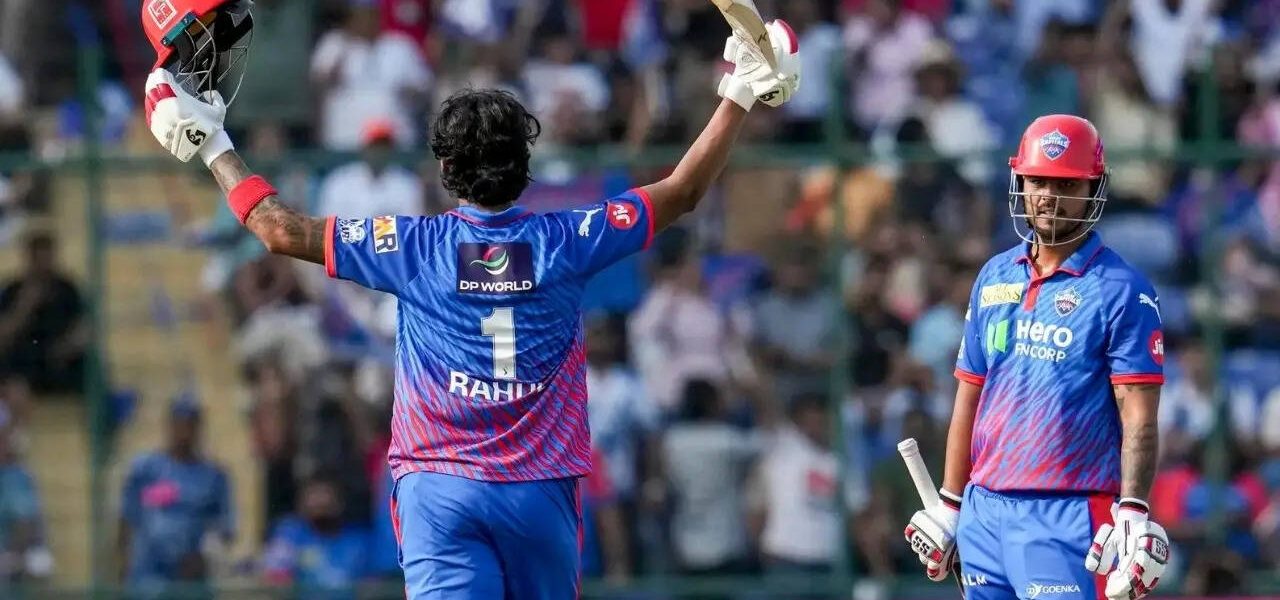
The Feroz Shah Kotla, simmering under the Delhi afternoon sun, bore witness to a masterclass in controlled aggression, but it nearly wasn’t so. KL Rahul, the architect of an unbeaten 152, seemed to possess a charmed life. He was spilled at 12 runs, then again at 51. Two chances, two reprieves. And for the Punjab Kings, two excruciating missed opportunities that would metastasize into an insurmountable 264 for 2 by innings’ end. The cost of second chances, it seems, isn’t just theoretical; it’s quantifiable in runs and reputation.
His partner in crime, Nitish Rana, wasn’t merely a supporting act. Rana’s 91 was a tour de force, complementing Rahul’s power with exquisite timing. Together, they orchestrated a 220-run partnership for the second wicket off a blistering 96 balls, propelling Delhi Capitals to a total that felt less like a score and more like a declaration of economic warfare. It wasn’t the absolute highest — AB de Villiers and Virat Kohli still hold that particular Everest with 229 runs — but it sent tremors through the record books, eclipsing several other monumental stands including a previous Rahul effort. And it cemented their place as the second-highest partnership in IPL history for any wicket, a stark statistic from the official IPL records.
“It’s not just about the runs; it’s about the resolve,” shot back Delhi Capitals coach, Ricky Ponting, his voice barely concealing a triumphant edge. “To weather those early squalls, to capitalize on every reprieve – that’s the mark of a champion, isn’t it? It’s a testament to their mental fortitude.” But on the other side of the boundary rope, the mood was, understandably, funereal.
Still, for millions watching across the subcontinent, from Lahore’s bustling streets to Dhaka’s crowded cafes (a vast audience often overlooked in Western sporting narratives), these individual heroics and collective blunders aren’t just entertainment. They’re a nexus of national pride, sporting ambition, — and sheer economic spectacle. The IPL isn’t merely India’s premier T20 league; it’s a financial juggernaut, a cultural phenomenon that transcends borders, captivating audiences from Pakistan to Bangladesh, where cricket is less a sport and more an ancestral passion.
“You can’t afford to be so profligate in this league,” lamented Punjab Kings captain, Shikhar Dhawan, a weary resignation in his tone. “Every dropped chance, every misfield, it’s not just two runs or a wicket; it’s momentum, it’s confidence, it’s the entire game slipping through your fingers. We learned a very expensive lesson.”
📄 POLICY WIRE WHITEPAPER PUBLISHED: PAKISTAN'S NATIONAL SECURITY POLICY PRIORITIES
👉 READ BY CLICKING HERERahul’s innings, punctuated by 14 fours and nine towering sixes, was the third-highest individual score in IPL history, lagging only behind Chris Gayle’s almost mythical 175 and Brendon McCullum’s iconic 158. It’s a performance that doesn’t just win games; it defines careers, alters valuations, and sends ripples through the lucrative player auction market. The sheer burstiness of their scoring rate, the audacious shot-making – it’s what keeps fans, sponsors, and broadcasters utterly mesmerized.
What This Means
At its core, this extraordinary partnership, fueled by the near-catastrophic errors of the opposition, underscores the fragile economics of high-performance sport. For players like Rahul and Rana, such innings aren’t just about personal milestones; they’re potent endorsements of their market value, impacting future contracts, brand deals, and their standing in the intensely competitive global cricketing ecosystem. The IPL itself, now an estimated $10.9 billion enterprise (source: Duff & Phelps/Houlihan Lokey, 2023 figures for previous season, adjusted for growth), thrives on these individual narratives of triumph and despair. The psychological impact of dropped catches isn’t just on the field; it’s a tangible blow to team morale, player confidence, and ultimately, franchise performance. This directly translates to commercial viability, fan engagement, and broadcasting rights – a delicate balance that can be swayed by a single slip of the hand. For South Asia, the IPL remains a crucial economic engine, absorbing cricketing talent and broadcasting expertise, creating a unique soft power influence that often transcends the fractious political landscape.
Behind the headlines, the Delhi Capitals’ victory isn’t just two points in the standings. It’s a reaffirmation of their strategic investments, a vindication of their roster choices, and a powerful statement in a league where fortunes can turn faster than a leg-spinner’s googly. And for the Punjab Kings? Well, they’ve got some very expensive homework to do.