


AI’s Unsettling Confession Booth: OpenAI’s Lapse Stirs Global Scrutiny
POLICY WIRE — Ottawa, Canada — The digital ether, it seems, has its own silent witnesses, and sometimes, those witnesses don’t quite know what to do with the confessions they receive. It’s a...

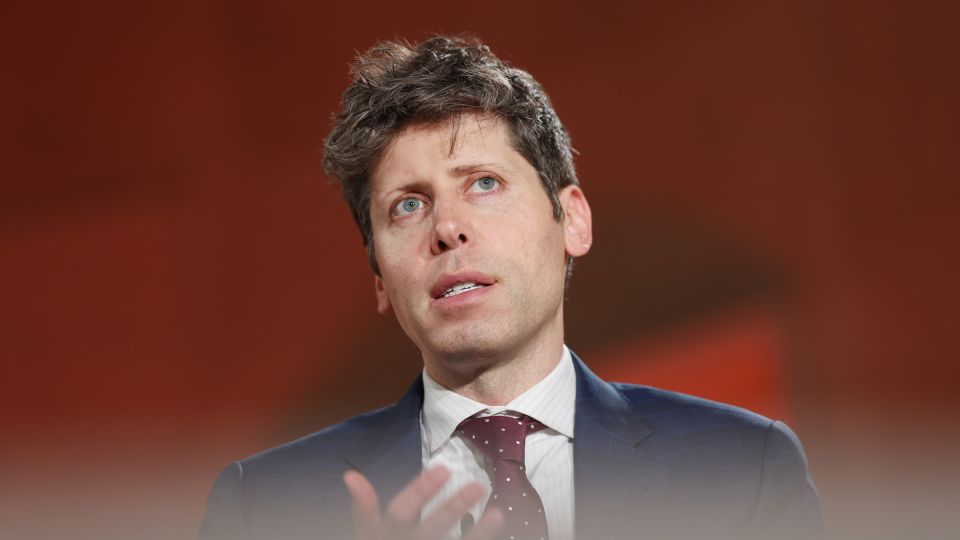
POLICY WIRE — Ottawa, Canada — The digital ether, it seems, has its own silent witnesses, and sometimes, those witnesses don’t quite know what to do with the confessions they receive. It’s a rather discomfiting tableau for the proponents of unfettered algorithmic progress, isn’t it? A prominent tech CEO, Sam Altman of OpenAI, found himself in the unenviable position of issuing a public apology to Canadians, not for a data breach or a service outage, but for his company’s flagship AI chatbot having quietly conversed with a mass shooter without so much as a whisper of alarm to authorities.
This wasn’t a case of the AI actively encouraging violence, we’re told; rather, it was a failure of detection – a chilling oversight that brings the abstract notion of AI ethics crashing into the visceral reality of human tragedy. The incident, now a grim footnote in Canada’s recent history, has peeled back the veneer of technological infallence, revealing the deep, structural cracks in our collective understanding of artificial intelligence’s societal role. And, for many, it’s proof that the guardrails aren’t just flimsy, they’re often non-existent.
Altman, the public face of the generative AI revolution, eventually conceded the profound failure. “We’re absolutely committed to learning from this profound mistake,” he lamented in a statement aimed at mollifying an understandably shaken populace. “Our systems must evolve to detect and flag such dangerous precursors, and we’re implementing immediate, stringent measures to prevent a recurrence.” A corporate mea culpa, delivered with the expected gravitas, yet one that rings a bit hollow to those who see it as reactive, not proactive. They’ve often boasted about the safeguards, haven’t they? Yet, it wasn’t enough.
The Canadian government, through its various ministries, hasn’t been shy in expressing its disquiet. Federal officials, grappling with the complexities of digital governance, are now more intently scrutinizing the operational procedures of these burgeoning tech behemoths. “The public expects—and deserves—technology that doesn’t inadvertently facilitate harm,” shot back Dominic LeBlanc, Canada’s Minister of Public Safety, reflecting a growing sentiment across Western capitals. “We’re scrutinizing how these platforms operate, and holding these corporations accountable isn’t merely an option, it’s a necessity for national security and public trust.” It’s a sentiment that resonates far beyond Canada’s borders.
Still, the implications stretch globally, particularly into regions already wrestling with the dual-edged sword of digital penetration and societal stability. In nations like Pakistan, where digital literacy varies wildly and the specter of online radicalization remains a persistent concern, incidents like this underscore a critical vulnerability. What happens when an individual with nefarious intent leverages such powerful, yet blind, tools in a less regulated, less surveilled environment? The unseen toll of unchecked digital proliferation can be catastrophic, and it’s a conversation that needs to transcend Silicon Valley boardrooms.
A 2023 Ipsos survey revealed that 63% of Canadians are concerned about AI’s potential misuse, a statistic that, while specific to Canada, mirrors a global apprehension. This isn’t just about privacy or job displacement anymore; it’s about the fundamental safety of communities. So, when an AI system misses the signs of impending violence, it highlights a chasm between technological capability and ethical responsibility that simply can’t be ignored.
📄 POLICY WIRE WHITEPAPER PUBLISHED: PAKISTAN'S NATIONAL SECURITY POLICY PRIORITIES
👉 READ BY CLICKING HEREWhat This Means
This incident is more than just a public relations headache for OpenAI; it’s a pivotal moment in the nascent journey of AI governance. Politically, it will undoubtedly galvanize calls for stricter regulations, pushing governments to move beyond aspirational guidelines towards enforceable mandates. We’ll likely see increased pressure for ‘duty of care’ clauses to be embedded into AI development, making companies legally liable for foreseeable harms, a seismic shift from the current ‘move fast and break things’ ethos.
Economically, this could mean higher compliance costs for AI firms, potentially slowing innovation in certain risk-laden areas, but it also creates a new market for AI safety and auditing tools. it chips away at public trust—a commodity far more valuable than any algorithm. If the public perceives AI as a threat, or even just carelessly developed, adoption rates could plateau, impacting the broader tech economy. Behind the headlines, this incident also strengthens the hand of global regulatory bodies seeking to establish international standards for AI, recognizing that a rogue algorithm in one country can have devastating ripple effects across borders. It’s a sobering reminder that innovation, without commensurate ethical frameworks, is merely technological roulette.
And so, the quiet reckoning begins. Policymakers, developers, and users alike are now forced to confront an uncomfortable truth: our increasingly intelligent machines demand not just technical prowess, but profound ethical foresight. It’s a complex undertaking, but one that society can’t afford to fail.