
Tunisia’s Crushing Blow: Veteran Rights Group Silenced as Freedoms Evaporate
POLICY WIRE — Tunis, Tunisia — The coffeehouses on Avenue Habib Bourguiba still buzz, and the Mediterranean sun still glints off ancient ruins, yet an unsettling quiet descends over Tunisia’s civic...

POLICY WIRE — Tunis, Tunisia — The coffeehouses on Avenue Habib Bourguiba still buzz, and the Mediterranean sun still glints off ancient ruins, yet an unsettling quiet descends over Tunisia’s civic space. It’s a silence not of peace, but of repression, deepening with the recent administrative shuttering of one of Africa’s most venerable human rights organizations. This isn’t merely a bureaucratic hiccup; it’s a stark, chilling declaration from a government seemingly intent on dismantling every bulwark against its burgeoning power.
Behind the headlines, this latest move against a group whose roots stretch back decades underscores an alarming erosion of the very freedoms Tunisians fought for during the Arab Spring. For a nation once hailed as the lone democratic success story of that tumultuous era, the descent feels particularly acute. And it’s not just one group; it’s a systematic chipping away at independent voices, from journalists to judges, culminating in this calculated silencing of a historic champion of liberties.
The government’s decree, delivered with the dispassionate efficiency of state bureaucracy, cited unspecified financial irregularities and non-compliance with the nation’s stringent association laws. But critics weren’t buying it. “This isn’t merely an administrative technicality; it’s a chilling declaration of intent, a blatant attempt to suffocate the very voices that hold power accountable and to unravel Tunisia’s fragile democratic experiment,” shot back Sarah El-Qadi, a prominent human rights lawyer in Tunis, her voice tight with indignation. She’s seen too many of these notices before.
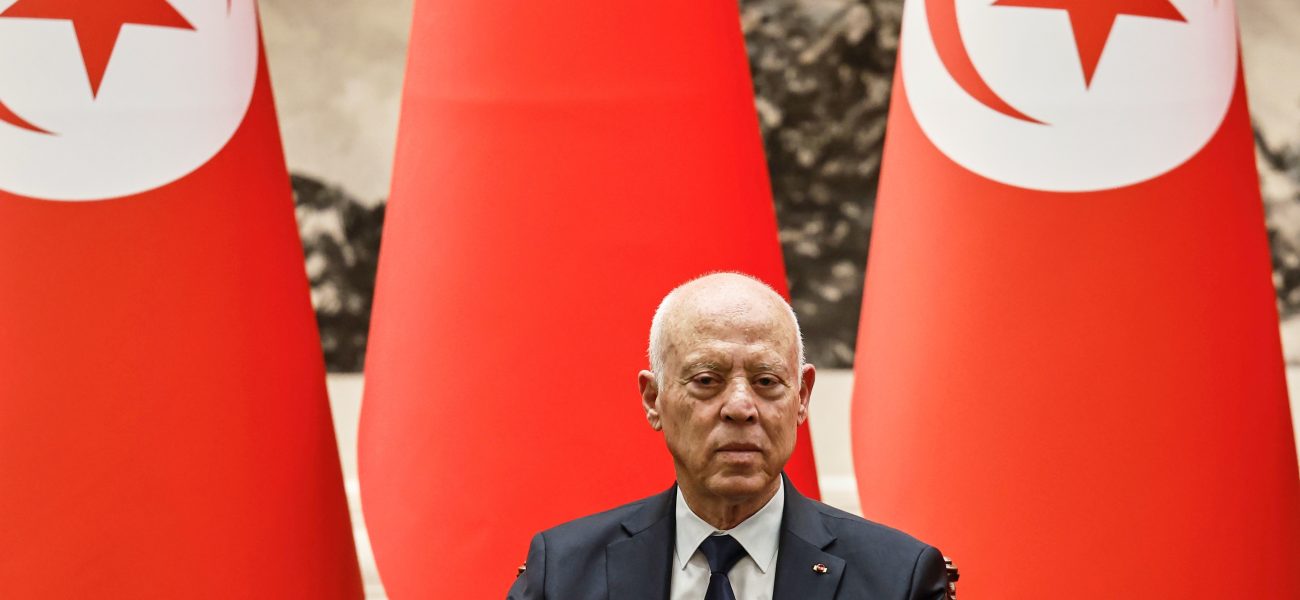
It’s a particularly bitter pill for a country where civil society played a pivotal role in its illiberal turn, navigating the delicate transition from dictatorship to democracy. Still, President Kais Saied, who seized broad powers in 2021, argues such actions are necessary to cleanse the political landscape of corruption and foreign meddling. “Such measures, however difficult, are regrettably essential to safeguard the republic’s stability against foreign-funded interference and those who seek to destabilize our hard-won peace,” asserted a senior government spokesperson, speaking on condition of anonymity, reflecting the official line Saied’s administration has consistently maintained.
The targeting of civil society isn’t unique to Tunisia, of course. It’s a trend that reverberates across the broader Muslim world, where governments, from Pakistan to Egypt, often view non-governmental organizations with suspicion, especially those receiving international funding. In these nations, the delicate dance between sovereignty and civic space is constantly challenged, with rights groups frequently accused of being proxies for foreign agendas. This incident, therefore, sends a chilling message far beyond Tunisia’s borders, potentially emboldening other regimes to tighten their own reins on dissent. For countries like Pakistan, grappling with their own complex relationship between state power and civil liberties, Tunisia’s actions might offer a dangerous precedent.
And what’s the tangible impact? According to Freedom House’s 2023 report, Tunisia’s democracy score has plummeted from a peak of 72/100 in 2015 to a dismal 40/100, now starkly classified as “Not Free.” That’s a precipitous drop, reflecting not just this latest move but a broader pattern of curtailing judicial independence, muzzling media, and prosecuting political opponents. It’s a rapid backslide from the democratic ideals many believed had taken root.
📄 POLICY WIRE WHITEPAPER PUBLISHED: PAKISTAN'S NATIONAL SECURITY POLICY PRIORITIES
👉 READ BY CLICKING HEREWhat This Means
This suspension isn’t just about one organization; it’s a bellwether, a clear signal that the Saied administration is consolidating its authority with ruthless efficiency, systematically dismantling checks and balances. Politically, it means less space for critical discourse, fewer avenues for citizens to voice grievances, and a further entrenchment of presidential rule. We’re witnessing the gradual suffocation of what little democratic oxygen remains.
Economically, the implications are equally bleak. International donors, including the IMF and the European Union, typically link aid to good governance and respect for human rights. This latest move won’t sit well, likely complicating already fraught negotiations for crucial financial assistance. Donor nations, often engaging in forms of silent diplomacy, might find their leverage diminished or their willingness to offer support severely tested. It’s a vicious cycle: crackdowns deter investment, worsen economic woes, and create fertile ground for further social unrest, potentially pushing more young Tunisians toward desperate measures like irregular migration.
So, while the cafes still hum, the underlying melody has changed. It’s a somber tune, played in a minor key, for a nation where the promise of democracy seems to be receding with every passing decree. The vibrant chorus of civil society, once a beacon, is now increasingly muted, leaving only the state’s singular, authoritative voice.