

Silent Diplomacy’s Perilous Edge: US Destroyer Disables Iran Blocker
POLICY WIRE — Washington, D.C. — The ping of sonar and the hiss of waves often mask a far more potent language in the world’s most volatile waterways. And sometimes, that language becomes a...

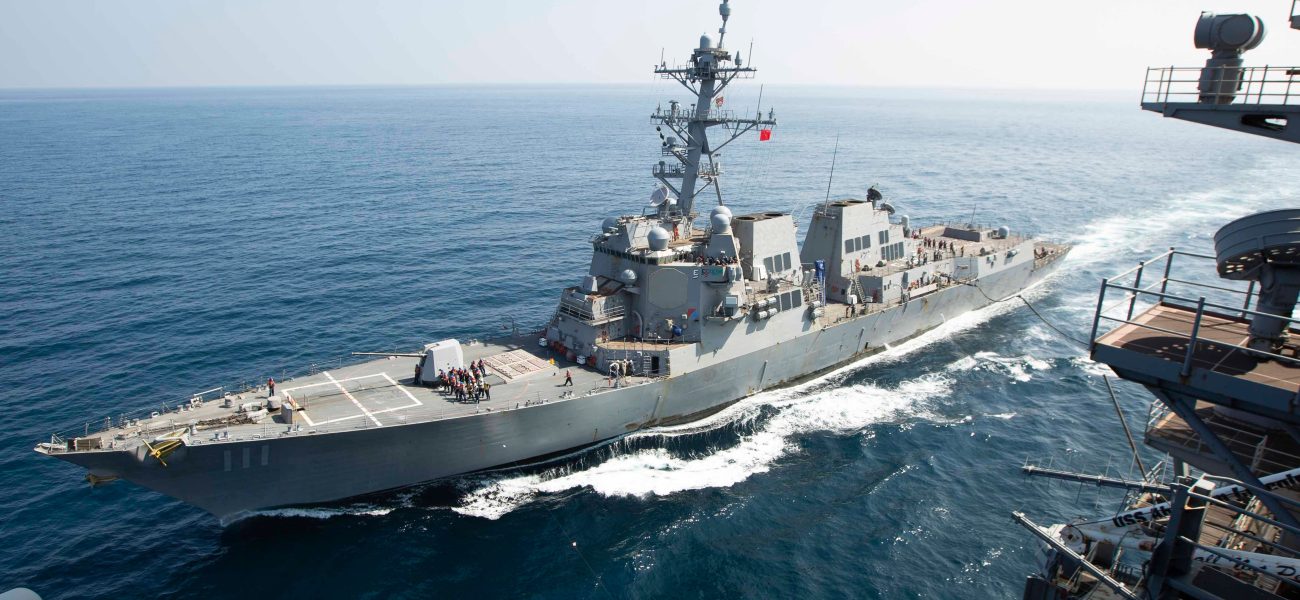
POLICY WIRE — Washington, D.C. — The ping of sonar and the hiss of waves often mask a far more potent language in the world’s most volatile waterways. And sometimes, that language becomes a percussive blast – a tactical declaration of intent that echoes far beyond the immediate spray. That’s precisely what transpired when a U.S. Navy destroyer, in a calculated maneuver, surgically disabled the engine of an Iranian blockade runner attempting to traverse the Gulf, an incident now shedding new light on the persistent, high-stakes maritime cat-and-mouse game.
It wasn’t a broadside, nor a dramatic explosion; it was a precise, almost clinical act of incapacitation. A high-ranking general, speaking off-the-record to Policy Wire, detailed how the destroyer’s crew targeted the vessel’s propulsion system, rendering it adrift but largely intact. This wasn’t about sinking; it was about stopping, deterring, — and signaling. It’s a distinct escalation, too, moving beyond warning shots or boarding actions to a direct, albeit non-lethal, use of force against an operational component.
Behind the headlines, this incident underscores a deepening pattern of confrontation in a region already brimming with geopolitical fissures. The blockade runner, according to U.S. intelligence, was suspected of ferrying illicit cargo – likely weaponry or components for Iran’s expanding proxy networks – in violation of international sanctions. Admiral Thomas Vance, Commander of U.S. Naval Forces Central Command, articulated the rationale with characteristic bluntness. "This isn’t about aggression; it’s about upholding the international order and preventing illicit proliferation that destabilizes an already volatile region," Vance stated in a recent, unannounced press briefing. "We simply can’t allow rogue actors to weaponize these vital arteries of global commerce."
The Iranian response, predictably, bristled with indignation. Saeed Khatibzadeh, spokesperson for Iran’s Foreign Ministry, shot back, "America’s continued provocative presence in our sovereign waters only fuels regional mistrust and serves the interests of warmongers. This brazen act of piracy won’t go unanswered." His words, though familiar, now carry a renewed edge, suggesting that Tehran views the disabling of its vessel as a profound trespass, not merely a minor inconvenience. It’s a sentiment that often finds resonance among segments of the broader Muslim world, viewing Western naval presence as an extension of colonial-era hegemonies rather than a guarantor of security.
Still, the stakes are undeniably high. This strategic waterway is a global choke point. According to the U.S. Energy Information Administration, roughly 21% of global petroleum liquids consumption transited the Strait of Hormuz in 2021. Any disruption there sends immediate, cascading effects across world markets, touching everything from crude oil prices to shipping insurance premiums. And that ripple effect impacts everyone, from Riyadh’s oil ministers to the struggling textile workers in Karachi.
For Pakistan, a nation strategically positioned at the crossroads of South Asia and the Middle East, such incidents present a peculiar diplomatic tightrope walk. Islamabad maintains historically complex, sometimes transactional, relationships with both Washington — and Tehran. While publicly emphasizing regional stability and non-interference, Pakistan’s leadership must privately weigh the economic ramifications of Gulf instability against its long-standing security ties. It’s a delicate dance, balancing the needs of its energy sector – often sourced from the Gulf – with its broader foreign policy objectives, sometimes igniting unexpected diplomatic firestorms in the process.
📄 POLICY WIRE WHITEPAPER PUBLISHED: PAKISTAN'S NATIONAL SECURITY POLICY PRIORITIES
👉 READ BY CLICKING HEREThe operational details themselves suggest a growing confidence in the U.S. Navy’s ability to execute precision strikes in challenging environments. The general elaborated that the engagement involved multiple assets, including drones for real-time intelligence – giving commanders a precise picture of the vessel’s layout and vulnerabilities. It wasn’t a haphazard attack; it was, by all accounts, meticulously planned and executed, designed to send a clear message without triggering a wider conflagration.
But messages, especially in this volatile arena, are frequently misinterpreted or deliberately twisted. Iran often frames such confrontations as defiant acts against American imperialism, a narrative that plays well with certain domestic audiences and regional allies. This incident, therefore, isn’t just about a disabled engine; it’s about the narrative war that accompanies every splash and every skirmish in these contested waters.
What This Means
This engagement, though not a full-blown military clash, marks a consequential shift in the rules of engagement in the Persian Gulf. It suggests that Washington is prepared to employ more direct, tactical force to enforce maritime interdictions, moving beyond mere surveillance or verbal warnings. Politically, it elevates the temperature, potentially pushing Tehran to either de-escalate its illicit shipments or retaliate with asymmetrical tactics – think swarm attacks by small boats or increased cyber activity against shipping infrastructure. Economically, while this single incident won’t crash markets, it ratchets up the perceived risk for insurers and shippers navigating the Strait of Hormuz. We’re likely to see a marginal but noticeable uptick in insurance premiums for commercial vessels, impacting the already fragile supply chains that crisscross the globe. It’s also a stark reminder that the Iran conflict’s unseen toll often manifests in unexpected ways, far from the battlefield. The incident also puts a renewed spotlight on regional alliances, forcing partners like Saudi Arabia and the UAE to reassess their own security postures, knowing the U.S. is ready to act more decisively.