


Tijuana Woman Faces 44 Cruelty Counts After Massive Animal Rescue Operation
POLICY WIRE — Tijuana, Mexico — The silence, punctuated only by the faint whimpers and frantic scratching of unseen paws, must’ve been deafening. For days, perhaps even weeks, neighbors had...

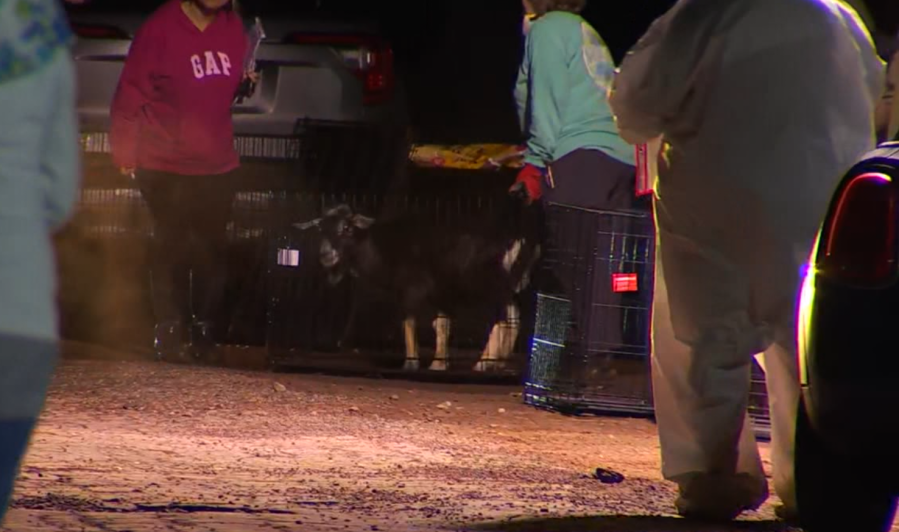
POLICY WIRE — Tijuana, Mexico — The silence, punctuated only by the faint whimpers and frantic scratching of unseen paws, must’ve been deafening. For days, perhaps even weeks, neighbors had reported a gag-inducing miasma emanating from a — wait for it — *seemingly* ordinary property in a quiet Tijuana neighborhood. What authorities unearthed, however, was anything but ordinary: a gut-wrenching tableau of neglect involving upwards of 160 animals.
It’s a stark reminder, isn’t it, of the often-hidden suffering that lurks behind residential walls. Law enforcement officials, acting on a tip — a lifeline for those poor creatures — unearthed a ghastly quagmire. This has since led to the arrest of one woman. On dozens of animal abuse charges.
But behind the screaming headlines of drug cartels and border disputes, Tijuana’s local authorities are now wrestling with a different, equally unsettling kind of crime. María Elena Pérez, identified as the homeowner, now faces 44 counts of animal cruelty and neglect following a painstakingly arduous, days-long operation to extract dogs, cats, and various other creatures from her residence.
“The scale of suffering we witnessed was soul-crushing,” stated Captain Ricardo Morales of the Tijuana Municipal Police, his voice heavy with a mix of raw anger and utter exhaustion. “Our officers, alongside dedicated volunteers, worked tirelessly. You don’t just ‘remove’ 160 living beings; you rescue them, one by one, from conditions that frankly defy belief.”
Not everyone truly comprehends the mind-boggling logistical labyrinth involved in such an undertaking — imagine coordinating that many resources, that many hands, and that much specialized care, all while dealing with unimaginable squalor and desperate creatures. Rescuers found animals confined in incredibly cramped, unsanitary spaces, many exhibiting signs of severe malnutrition, untreated injuries, and profound psychological trauma. The math is stark: 160-plus creatures, each needing immediate medical attention, food, water, — and shelter, right now.
And for animal welfare advocates, this isn’t just another isolated incident, no, it’s actually a symptom of a larger, systemic issue. Adriana Vega, director of Patitas Felices Tijuana, a local animal rescue organization, minced no words about the challenges.
“We’re stretched thin every single day, and then a case like this hits, absolutely overwhelming our resources,” Vega explained, her frustration a palpable, almost choking thing. “This woman’s alleged actions are criminal, yes, but they also lay bare how desperately we need sturdier public awareness campaigns and stricter enforcement of existing animal protection laws across Mexico.”
Indeed, a 2021 study by the National Institute of Statistics and Geography (INEGI) estimated that a staggering 70% of dogs in Mexico are street dogs, with a significant proportion having endured abuse or neglect. That’s a devastating figure, a festering wound in the country’s underbelly, reflecting a widespread problem that communities like Tijuana are grappling to hem in.
Still, the global conversation around animal welfare isn’t monolithic, by any stretch. Take, for instance, the complex relationship humans have with animals in many parts of the Muslim world — where Islamic teachings, for example, often emphasize compassion and kindness, viewing them as creations of God deserving of inherent respect, yet in practice, enforcement of such lofty ideals can vary wildly, and many countries, including Pakistan, grapple with large populations of stray animals that often face hardship and cruelty, much like the challenges seen in Mexico.
📄 POLICY WIRE WHITEPAPER PUBLISHED: PAKISTAN'S NATIONAL SECURITY POLICY PRIORITIES
👉 READ BY CLICKING HERESo it’s a universal problem, really, crossing cultural and geographical divides, where the best intentions or even explicit moral codes don’t always translate into sturdy legal frameworks or consistent societal care. This isn’t just about one individual’s cruelty; it’s, in fact, about a broader societal responsibility. That’s what it’s.
What This Means
This incident, while horrific in its granular details, carries far-reaching ramifications beyond the immediate rescue effort. Politically, it’s bound to reignite calls for more potent animal welfare statutes at both state and federal levels in Mexico. Activists will undoubtedly leverage this high-profile case — a grim spotlight, if you will — to push for tougher penalties, more comprehensive protective services, and increased funding for animal control and shelters.
Economically speaking, the burden on already underfunded local animal shelters — and rescue groups is crushing. Providing veterinary care, food, and long-term housing for over 160 animals will cost hundreds of thousands of pesos, likely draining resources that were already critically low. This financial strain truly highlights a critical, gaping hole in public funding for animal welfare.
Societally, it forces a difficult mirror — a hard, unforgiving reflection — upon communities. Are current laws even up to snuff? Are local authorities adequately equipped — and trained to handle such complex, emotionally draining cases? Make no mistake, these aren’t abstract questions; they’re pressing concerns demanding concrete, immediate answers.
Related: Influencer’s Fall: 16-Month Sentence Exposes Dark Side of Digital Fame and Drug Smuggling
Few, if any, would argue that animal cruelty is a victimless crime. It often correlates with other forms of domestic violence and, quite frankly, can be an early indicator of wider social pathologies — a chilling canary in the coal mine, perhaps. The legal system, therefore, isn’t just punishing a woman for mistreating pets; it’s addressing a breach of societal trust and an affront to communal values, as it should.
Ultimately, this isn’t the last we’ll hear of such a case, I’m afraid. Dr. Elena Rojas, a criminologist specializing in public safety and social policy at the Autonomous University of Baja California, suggests that without a concerted effort to educate the public, increase judicial penalties, and provide more comprehensive support systems for both animals and their flailing guardians, these incidents will remain a tragic, utterly depressing constant. “Justice for these animals demands not just an arrest, but a fundamental reevaluation of how society protects its most vulnerable,” she remarked, offering a sobering — and frankly, rather bleak — forward look.