


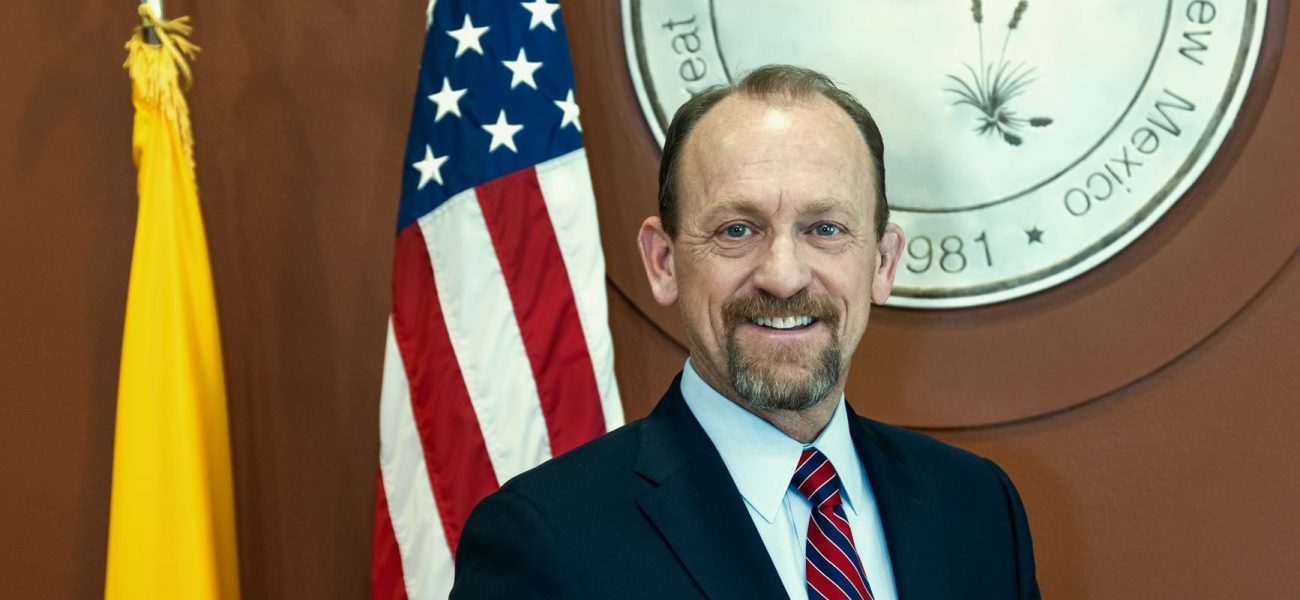
Rio Rancho Navigates New Chapter as Mayor Hull Hands Baton to Wymer
POLICY WIRE — Rio Rancho, New Mexico — An eerie hush descended upon the Rio Rancho City Council chambers Tuesday evening, not the usual cacophony of municipal grievances or administrative minutiae,...

POLICY WIRE — Rio Rancho, New Mexico — An eerie hush descended upon the Rio Rancho City Council chambers Tuesday evening, not the usual cacophony of municipal grievances or administrative minutiae, but the sober gravitas of a generational shift. For eight years, Gregg Hull has navigated the gavel here, steering the city through periods of rapid expansion and unforeseen challenges — truly a gauntlet. His watch. Done.
Behind the headlines of typical city business, the ceremonial passing of the torch, a ritual steeped in tradition, practically commandeered the narrative. Incoming Mayor Paul Wymer, victorious in a hard-fought runoff, sat attentively beside his predecessor — a silent, telling acknowledgement not just of continuity, but of the onerous burden he’s about to inherit.
And Hull, ever the statesman, couldn’t help but reflect:
“Serving the people of Rio Rancho has been the profound honor of my life,” Hull reflected, his voice tinged with emotion but firm. “We’ve seen incredible growth, overcome significant hurdles, — and built a foundation for a vibrant future. It’s never easy to step away, but I leave confident in the leadership taking the reins.”
Wymer’s ascension wasn’t a foregone conclusion. He practically snatched the mayoral seat in a tight runoff last week, besting challenger Alexandria Piland by a margin that bespoke a city deeply divided, yet ultimately resolute, in its direction. These electoral contests, often reduced to footnotes by the thunderous national theatrics, are, in truth, the very bedrock—the beating heart—of democratic change for millions of Americans.
For the ‘City of Vision,’ as Rio Rancho proudly anoints itself, vision is precisely what’s needed, isn’t it? The expansive New Mexico municipality, known for its rapid development and proximity to Albuquerque, isn’t just a scattered collection of suburbs; it’s a mushrooming economic hub, a community grappling with infrastructure demands, persistent water scarcity (a desert reality!), and the delicate balance of preserving local character amidst relentless growth.
But don’t kid yourself: the stakes for local leaders like Wymer can be unsettlingly global, a butterfly effect no one really expects. Cities, you see, often serve as unexpected cauldrons for international exchange, trade, and demographic shifts, even when they’re not overtly vying for global attention. Consider, if you will, the quiet economic evolution taking place even in regions seemingly far removed, like the astonishing advancements in the textile industry — developments that prove local ingenuity isn’t confined by municipal boundaries, no sir. India’s ‘Silk Revolution’, for instance, lays bare how local innovation can ripple through international markets, influencing everything from supply chains to consumer choice — and local mayors, bless their hearts, often find themselves on the front lines of attracting or fostering such industries, whether they’ve explicitly signed up for it or not.
And let’s be blunt: Wymer steps into a role necessitating urgent intervention, not contemplation. U.S. Census Bureau data reveals Rio Rancho’s population skyrocketed by nearly 19% between 2010 and 2020, making it one of the fastest-growing major cities in the state. This influx brings both opportunity and strain, requiring careful planning for utilities, schools, and public safety, like, yesterday.
His campaign platform largely rested upon promises of fiscal responsibility, streamlined city services, and fostering a business-friendly environment. Many residents, no doubt, are champing at the bit to discern how those pledges translate into tangible policy. But can a newcomer, however well-intentioned, truly pivot a city of this size without significant disruption? We’ll see.
📄 POLICY WIRE WHITEPAPER PUBLISHED: PAKISTAN'S NATIONAL SECURITY POLICY PRIORITIES
👉 READ BY CLICKING HEREWymer, for his part, shot back at skepticism, his demeanor earnest:
“I don’t underestimate the challenges ahead, not for a moment,” Wymer told reporters following the meeting, his demeanor earnest. “But I’m ready to roll up my sleeves — and get to work for every single resident. We’ll prioritize smart growth, listen to our community, and ensure Rio Rancho remains a place where families and businesses thrive.”
Few outside New Mexico, and let’s be honest, probably not many inside either, truly recognize the specific breed of environmental fortitude required by the state’s communities. Here, spring brings not just renewal—a verdant promise—but often capricious wrath in the form of searing dust storms and brutal, sharp temperature swings. Such natural elements, while seemingly outside the mayoral purview, nevertheless inextricably shape infrastructure needs, public health priorities, and the very fabric of daily life, influencing everything from road maintenance to emergency services.
What This Means
So Wymer’s transition heralds more than just a mundane change in personnel; it reflects a city squarely at a crossroads. The growth spurt under Hull’s tenure transformed Rio Rancho from a sleepy bedroom community into a bonafide economic powerhouse, attracting tech firms and diversifying its tax base. But that rapid expansion also severely taxed resources, particularly water, a perennial, nagging concern in the arid Southwest. Wymer, poor chap, will need to balance continued economic ambition with sustainable development – a true quagmire, if ever there was one.
Politically speaking, his victory suggests a public craving for fresh perspectives on long-standing issues. It’s an opportunity for a civic reset, a chance to fundamentally re-evaluate how the city engages with its diverse populace and fortifies its long-term prosperity. His administration’s success won’t just be measured in shiny new businesses or impressive budget surpluses, but, more profoundly, in its ability to foster a cohesive community identity amid ongoing demographic shifts.
Expect early policy moves to zero in on infrastructure upgrades and public safety, those ubiquitous refrains in fast-growing municipalities. However, the truly defining decisions—the ones that’ll keep him up at night—will likely revolve around land use and water management, issues that will shape Rio Rancho’s viability for decades to come. A mayor’s most pivotal function, after all, isn’t in grand pronouncements; it’s in the gritty, often soul-crushingly unglamorous work of urban planning and resource allocation. Seriously, who wants that job?
Ultimately, Paul Wymer’s tenure will be judged by his sheer prowess to navigate these complex, often conflicting currents, effectively conflating the city’s ambitious vision into concrete, sustainable realities for its nearly 100,000 residents. The oath of office, administered later this month, isn’t merely a formality; it’s a sacrosanct pledge to a community standing squarely on the cusp of its next great, perhaps even epochal, chapter.