


The Last Dance: Gathering of Nations Ends, Sparking New Futures for Native Culture and Commerce
POLICY WIRE — Albuquerque, New Mexico — It wasn’t the roar of the crowd or the dizzying flash of regalia that truly hammered home the weightiness of the moment, but rather the quiet, almost...

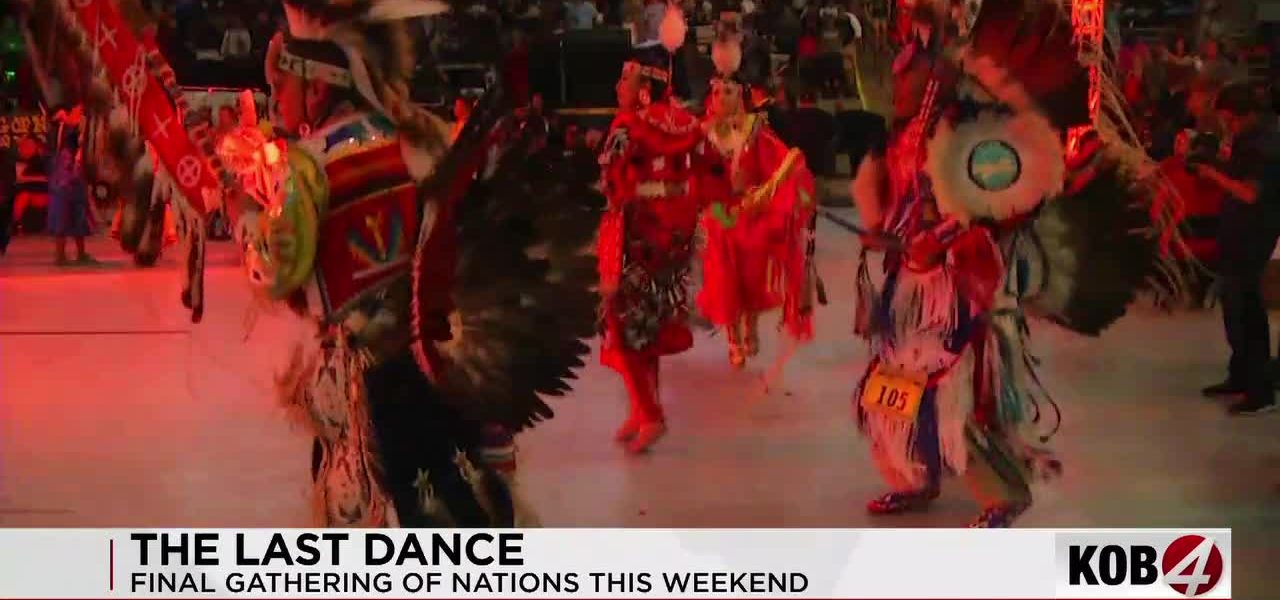
POLICY WIRE — Albuquerque, New Mexico — It wasn’t the roar of the crowd or the dizzying flash of regalia that truly hammered home the weightiness of the moment, but rather the quiet, almost reverent hum of conversation (it really hit you) among those who’ve called this vibrant gathering home for decades. After 40 years, the Gathering of Nations powwow, a cultural institution and economic lifeline for countless Indigenous families, it’s taking its final bow at Expo New Mexico, leaving behind a bittersweet legacy and a palpable void. That’s a gut punch.
Few outside the Native American community grasp the sheer scale of an event like this. Not merely a festival; it’s an annual pilgrimage, a homecoming, — and an indispensable marketplace rolled into one. For many, it’s been the primary stage for unfurling centuries-old artistry and culinary traditions, an unmatched bonanza for small businesses to reach a global audience.
Johanna Sanchez Zeller, whose family business, Sanchez Famous Fry Bread, has nourished attendees for years, remembers a childhood spent in the Native village at the state fairgrounds. Now living in St. Louis, she’d journeyed back to help her brother one last time. “I think it’s to celebrate who we’re,” Sanchez Zeller opined. “We can come together and celebrate and enjoy one another and learn from one another.” Who wouldn’t want to be part of that? That communal spirit, she ventured, is what’s truly beyond compare. Honestly, it’s just fantastic.
And yet, as one door closes, another often creaks open. The end of this storied event isn’t just about loss; it’s also about the impetus for reinvention. What happens when such a significant cultural — and economic hub evaporates from the calendar? A heavy question, that one.
For Dora Platero, who co-owns Platero Frybread with her two daughters, this year marked her debut as a vendor, a poignant twist of fate. “Just seeing everybody here. I mean, this is a family. We’re all a family,” Platero told Policy Wire, her voice thick with emotion. “This is something, like I said, everybody looks forward to.” She emphasized that while the physical gathering concludes, the spirit of Indigenous culture won’t fade. “Grandmothers — and parents are going to continue to teach our children what’s important.”
But the practical implications hovered menacingly. Platero pointed out that small, minority-owned businesses often grapple for exposure. The Gathering of Nations offered an unparalleled platform, a concentrated market where artisans could connect directly with consumers, bypassing costly intermediaries. Losing that, she conceded, is a blow, even as she hopes for a new event to fill the vacuum. Such is the way of things, isn’t it?
“This isn’t just an event ending; it’s a chapter closing in our collective story. But our stories don’t end. They evolve. We will find new ways to gather, new spaces to share our heritage and our artistry, because our culture isn’t a museum piece; it’s a living, breathing force.” — Chief Hakan Sapa, *Lakota Nation*
So, the economic stakes here are mammoth. According to the U.S. Bureau of Indian Affairs, there are 574 federally recognized Native American tribes in the United States, each with distinct cultural expressions, many of which hinge on traditional arts and crafts for economic sustenance. Events like the Gathering of Nations provide a crucial nexus for commerce, community, and cultural exchange for these diverse groups.
The sentiment isn’t unique to North America, either. Consider the bustling traditional bazaars and artisan markets in places like Pakistan’s Swat Valley or the historic souks of Morocco, where generational craftspeople similarly rely heavily on such forums to sell their intricate textiles, pottery, and jewelry. These aren’t just transactions; they’re acts of cultural preservation and economic survival, mirroring the challenges faced by Indigenous vendors in New Mexico.
📄 POLICY WIRE WHITEPAPER PUBLISHED: PAKISTAN'S NATIONAL SECURITY POLICY PRIORITIES
👉 READ BY CLICKING HERERelated: India’s Quiet Silk Revolution: Weaving a New Economic Future from Lab Coats to Looms
What This Means
The cessation of the Gathering of Nations carries far-reaching political, economic, and cultural ripples. Economically, it represents a sizeable loss for thousands of Indigenous small businesses, particularly those operating on thinner margins. Many of these vendors, who often travel considerable distances, rely heavily on the annual sales and networking opportunities the powwow provides. Without this central marketplace, finding alternative distribution channels and customer bases will prove a serious challenge for some.
Culturally, the impact is harder to quantify but no less profound. This wasn’t merely a trade show — oh no, it was so much more than that, a vibrant tapestry woven from shared stories and drumming rhythms — it was a powerful affirmation of Native identity and resilience, a multi-day celebration of heritage. Losing such a high-profile platform could dampen visibility for tribal nations and their invaluable contributions to the broader American tapestry. It also means fewer opportunities for inter-tribal connection, learning, and solidarity, which are critical for cultural continuity.
Politically, the void could pressure state and tribal governments to invest more robustly in alternative cultural and economic development initiatives. It’s an opportunity, albeit a forced one (the kind you don’t really want, but get), to rethink how public and private sectors can better support Indigenous entrepreneurship and cultural programming. Will new, more regionally focused powwows emerge, or will technology offer virtual alternatives?
“The Gathering of Nations has been an indispensable pillar of New Mexico’s cultural landscape and a vital economic engine for Indigenous entrepreneurs. We recognize the profound impact its conclusion has on many families and small businesses, and my administration is actively exploring avenues to ensure these communities continue to thrive and showcase their invaluable traditions.” — Governor Michelle Lujan Grisham, *New Mexico*
New Mexico Governor Michelle Lujan Grisham has already conceded the vacuum. It’s a sentiment that speaks to the event’s stature, not just locally but nationally. Huge, actually. The state itself faces unique challenges, — and supporting its diverse communities remains uppermost.
Ultimately, the challenge now lies in ensuring that the spirit of the Gathering of Nations doesn’t simply evaporate but instead scatters like seeds, giving rise to new expressions of Indigenous pride and economic empowerment. Experts suggest a greater emphasis on digital marketplaces and smaller, more frequent regional events could become the new norm. It won’t be the same, certainly — nothing ever truly is after such a monumental shift, especially when tradition is so deeply ingrained — but few would argue that the deep roots of Native American culture won’t find a way to burgeon, even in unfamiliar soil.