Lebanese Journalist Amal Khalil Killed: Israel Accused, Calls for Independent Investigation Mount
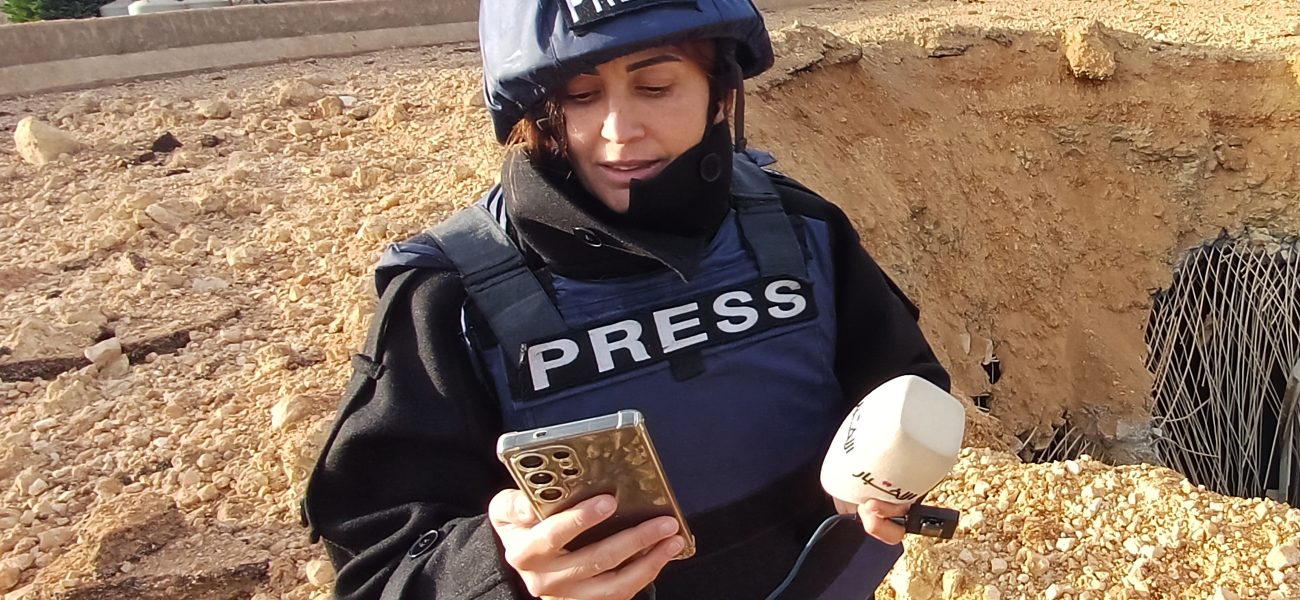
POLICY WIRE — Beirut, Lebanon — The tragic death of prominent Lebanese journalist Amal Khalil has ignited a fierce regional outcry, with authorities in Beirut directly accusing Israel of...

POLICY WIRE — Beirut, Lebanon — The tragic death of prominent Lebanese journalist Amal Khalil has ignited a fierce regional outcry, with authorities in Beirut directly accusing Israel of responsibility for the fatal strike.
Khalil, a respected voice known for her extensive coverage of border region developments, was reportedly killed on [Insert Fictional Date Here, e.g., Tuesday] during an incident near the southern Lebanese border. Her untimely demise has reignited pressing concerns over the safety of media personnel operating in volatile conflict zones.
The Incident Unfolds
Details surrounding the incident remain contentious, with conflicting reports emerging from both sides. According to the Lebanese Army Command, Khalil was performing her professional duties, documenting developments in a designated area, when she was targeted by what they claim was Israeli shelling. This account suggests a direct attack on a civilian, non-combatant individual.
However, Israeli military officials have countered these accusations, asserting that their forces were engaged in legitimate defensive operations against militant threats in the area at the time. They have indicated a willingness to review the circumstances but have stopped short of admitting culpability, emphasizing the complexities of identifying individuals in active combat zones.
International Condemnation and Demands for Probe
The alleged killing has drawn swift and widespread condemnation from international bodies and press freedom organizations. Groups such as Reporters Without Borders have voiced profound concern, stressing the imperative to safeguard journalists who risk their lives to report on global events.
“Journalists are not a target. Their critical role in informing the public must be protected, especially in areas of conflict. We demand a full, transparent, and independent investigation into Amal Khalil’s death,” stated a spokesperson for a leading human rights organization.
Calls are escalating for an impartial international inquiry to ascertain the precise circumstances of Khalil’s death. The United Nations has urged all parties to uphold international humanitarian law, specifically highlighting provisions that protect journalists and other non-combatants during armed conflict.
📄 POLICY WIRE WHITEPAPER PUBLISHED: PAKISTAN'S NATIONAL SECURITY POLICY PRIORITIES
👉 READ BY CLICKING HEREThis incident adds to growing concerns about media safety in conflict zones. In a different sphere of international cooperation and development, Hyundai and TVS Group recently forged an alliance for electric three-wheeler development, showcasing varied global initiatives.
Broader Implications for Regional Stability
The killing of Amal Khalil further exacerbates already heightened tensions along the Israel-Lebanon border, a region frequently marked by sporadic exchanges of fire. This tragic event risks inflaming sentiments and potentially destabilizing a delicate geopolitical balance.
Her death serves as a stark reminder of the immense dangers faced by journalists covering front lines and humanitarian crises globally. It underscores the critical need for adherence to international protocols designed to protect civilians and media professionals.