


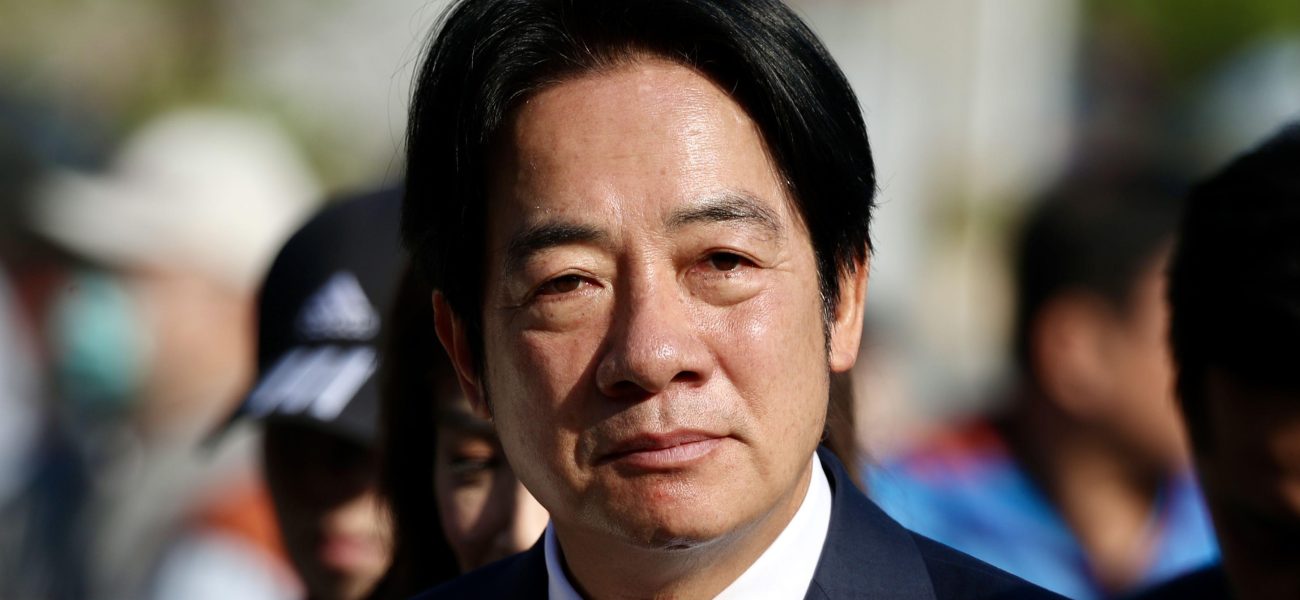
Taiwan President’s Diplomatic Trip Canceled: African Airspace Closures Point to Beijing’s Influence
POLICY WIRE — Taipei, Taiwan — Taiwanese President Tsai Ing-wen recently confronted an unexpected diplomatic impediment, leading to the cancellation of her pivotal tour to Paraguay and Eswatini, two...

POLICY WIRE — Taipei, Taiwan — Taiwanese President Tsai Ing-wen recently confronted an unexpected diplomatic impediment, leading to the cancellation of her pivotal tour to Paraguay and Eswatini, two of the island’s diminishing diplomatic partners. This significant development occurred after multiple African nations reportedly restricted her delegation’s access to their sovereign airspace.
This incident is widely interpreted as a direct outcome of intensifying pressure from Beijing, which vigorously promotes its "One China" policy. This doctrine compels global recognition of China’s claim over Taiwan, thereby amplifying the self-governed island’s international isolation. Officials in Taipei confirmed the decision to abort the presidential mission, emphasizing concerns for the delegation’s safety and the imperative for seamless travel arrangements.
Heightened Diplomatic Maneuvers
The unprecedented prohibition on air transit underscores China’s expanding diplomatic and economic leverage across the African continent. This strategic move forms a critical component of Beijing’s persistent campaign to erode Taiwan’s global recognition and curtail its international engagements. Such assertive actions present formidable obstacles for Taiwan’s endeavors to cultivate and sustain diplomatic relations amid incessant geopolitical competition.
Taiwan’s foreign ministry conveyed its disappointment, reaffirming its unwavering commitment to democratic principles and global collaboration despite external pressures. This cancellation starkly illustrates the intricate geopolitical environment in which Taiwan operates, consistently navigating its assertions of sovereignty against the powerful influence of its mainland neighbor. Just as nations enact measures to secure their borders and interests, as seen in operations like the seizure of military weapons and narcotics, diplomatic airspace control can be a potent tool of national policy.
Read More: Governments Bolster Economic Defenses: Contingency Plans Ready for Inflationary Pressures
📄 POLICY WIRE WHITEPAPER PUBLISHED: PAKISTAN'S NATIONAL SECURITY POLICY PRIORITIES
👉 READ BY CLICKING HERERepercussions for Taiwan’s International Standing
Analysts suggest this event could establish a precedent for subsequent international travel by Taiwanese officials, particularly to countries that balance relationships with both Beijing and Taipei. The assertive tactics employed by China are anticipated to intensify discourse on international norms concerning national sovereignty and diplomatic autonomy. Taiwan persists in exploring avenues for robust international participation, steadfastly asserting its right to self-determination.
The abrupt cancellation serves as a powerful reminder of the delicate power dynamics in East Asian geopolitics and the continuous struggle for Taiwan to maintain its distinct international presence. Observers are intently monitoring how this diplomatic reversal might influence future policy directions in Taipei and potential responses from the broader international community. This episode unmistakably underscores how geopolitical tensions frequently manifest through various means, including restrictions on movement.