


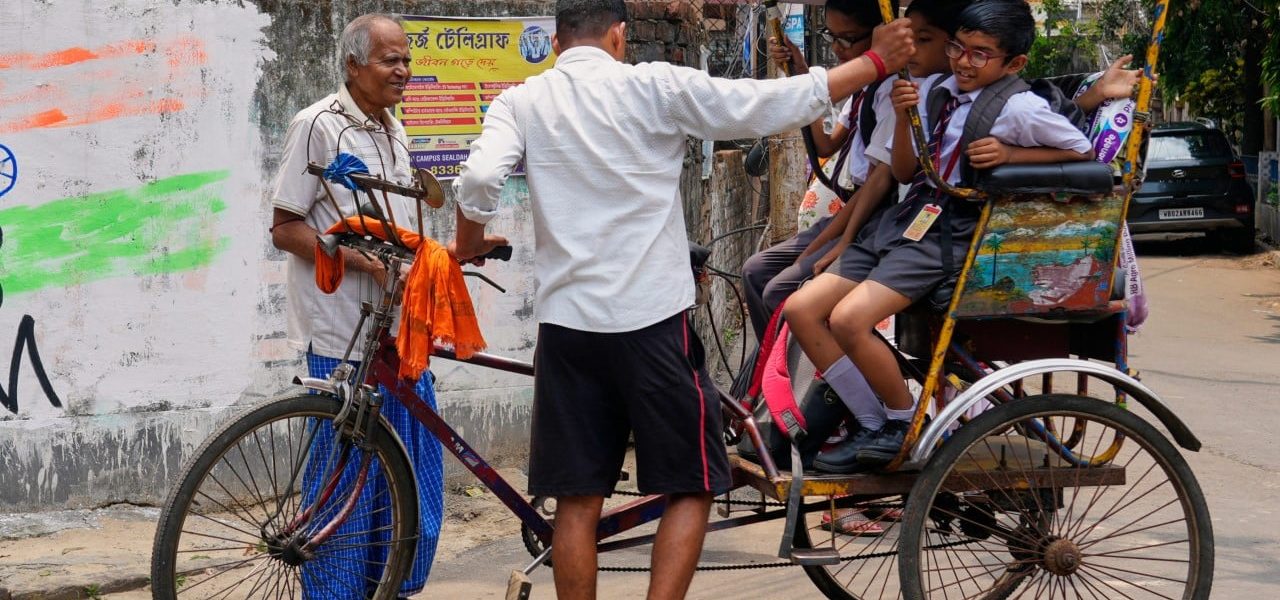
Delhi Schools Mandate ‘Water Bell’ Policy Amid Record-Breaking Heatwave in India
POLICY WIRE — New Delhi, India — Authorities in India’s capital have issued a directive requiring educational institutions to implement periodic "water bells" to ensure students...

POLICY WIRE — New Delhi, India — Authorities in India’s capital have issued a directive requiring educational institutions to implement periodic "water bells" to ensure students remain adequately hydrated as the sprawling metropolis prepares for severe heatwave conditions.
Delhi’s Proactive Stance on Extreme Heat
The new city order mandates that schools throughout Delhi will periodically ring bells, serving as a vital reminder for pupils to drink water. This measure is a direct response to the escalating threat posed by extreme summer temperatures.
This proactive step aims to protect school-aged children from the serious health consequences associated with dehydration and heat exhaustion during periods of intense heat.
India’s Battle Against Brutal Summers
India, the world’s most populous nation, routinely experiences exceptionally harsh summer temperatures, placing millions of its residents at considerable risk. The severity of these conditions is starkly illustrated by official government data.
Figures indicate that between 2012 and 2021, a staggering total of approximately 11,000 individuals across the country tragically succumbed to heatstroke. These statistics underscore the critical public health challenge posed by the nation’s climate.
In May 2024, New Delhi itself recorded a searing heatwave, with thermometers soaring to an alarming 49.2 degrees Celsius (120.5 degrees Fahrenheit). This temperature not only brought immense discomfort but also matched the highest historical temperature ever registered in the capital.
📄 POLICY WIRE WHITEPAPER PUBLISHED: PAKISTAN'S NATIONAL SECURITY POLICY PRIORITIES
👉 READ BY CLICKING HERESuch pervasive threats necessitate robust governmental preparedness and response mechanisms. For insights into how other nations fortify their systems against major challenges, Read More: Governments Bolster Economic Defenses: Contingency Plans Ready for Inflationary Pressures.
Public Health and Policy Implications
The directive for "water bells" reflects a growing recognition among urban planners and health officials of the need for immediate, actionable strategies to mitigate climate change impacts on vulnerable populations, especially children.
The implementation of such public health directives often highlights the complex policy decisions local administrations must navigate, balancing public welfare with practical considerations. For instance, municipal bodies frequently grapple with allocating resources for critical infrastructure and community projects.
Local Government Decisions: Edina City Council Halts Underpass Study Amid Cost Concerns