

Chernobyl’s Lingering Shadow: AP Photographer Chronicles Decades of Nuclear Devastation and Human Resilience
POLICY WIRE — Kyiv, Ukraine — An esteemed Associated Press photographer has meticulously documented the profound and enduring consequences of the 1986 Chernobyl nuclear disaster, capturing the somber...

POLICY WIRE — Kyiv, Ukraine — An esteemed Associated Press photographer has meticulously documented the profound and enduring consequences of the 1986 Chernobyl nuclear disaster, capturing the somber narrative of silence, sacrifice, and persistent danger that defines the region’s tragic legacy.
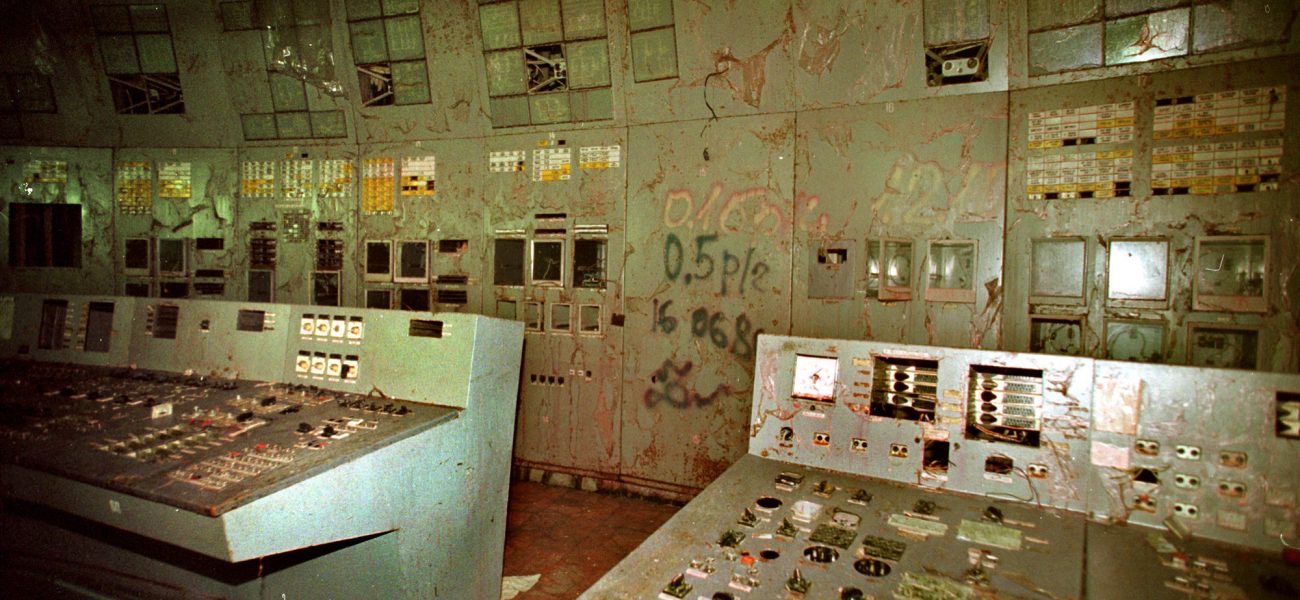
Through compelling visual storytelling, the photographer explores the vast and haunting Chernobyl Exclusion Zone, a landscape frozen in time, reflecting the cataclysmic event that irrevocably altered lives and environments. The work serves as a poignant reminder of the incident’s far-reaching human and ecological costs.
The Silent City of Pripyat and Human Cost
The abandoned city of Pripyat, once a vibrant home to thousands of power plant workers and their families, stands as a stark monument to abrupt abandonment. The AP photo essay vividly portrays deserted buildings, personal belongings left behind, and the unsettling quiet that now pervades its streets, symbolizing the hasty evacuation following the explosion at Reactor Number 4.
Beyond the ghost towns, the series also delves into the lives of those who bravely confronted the immediate aftermath – the ‘liquidators’ who risked their health and lives. Their immense sacrifices were made to contain the fallout, limiting the spread of radioactive contamination, and preventing an even greater catastrophe.
Enduring Environmental and Societal Impact
Decades on, the invisible threat of radiation continues to shape the region, presenting ongoing challenges for scientists and local communities. The long-term governmental and societal impact, often requiring complex policy decisions, echoes in various local challenges, much like the recent halting of a pedestrian underpass study by the Edina City Council due to cost concerns.
The photographer’s lens captures the paradoxical beauty of nature reclaiming concrete structures, yet also underscores the pervasive danger of the residual radioactive materials. This stark contrast highlights the slow, arduous path to recovery in a land forever marked by humanity’s most severe nuclear accident.
📄 POLICY WIRE WHITEPAPER PUBLISHED: PAKISTAN'S NATIONAL SECURITY POLICY PRIORITIES
👉 READ BY CLICKING HERE“The images convey a powerful message about the fragility of modern technology and the catastrophic ripple effects of a single misstep, impacting generations and reshaping our understanding of environmental safety.”
Lessons and Remembrance
The comprehensive photo essay aims to preserve the memory of the event and its victims, ensuring that the lessons learned from Chernobyl are not forgotten. It underscores the critical importance of nuclear safety protocols and robust emergency preparedness in a globalized world.
Through this significant body of work, the AP photographer offers a critical perspective on the enduring scars of the disaster, documenting both the physical desolation and the spiritual resilience of a region grappling with its painful past and uncertain future.
Read More: Historic Lindy’s Diner Abruptly Shut Down by Albuquerque City Officials Over Structural Concerns