


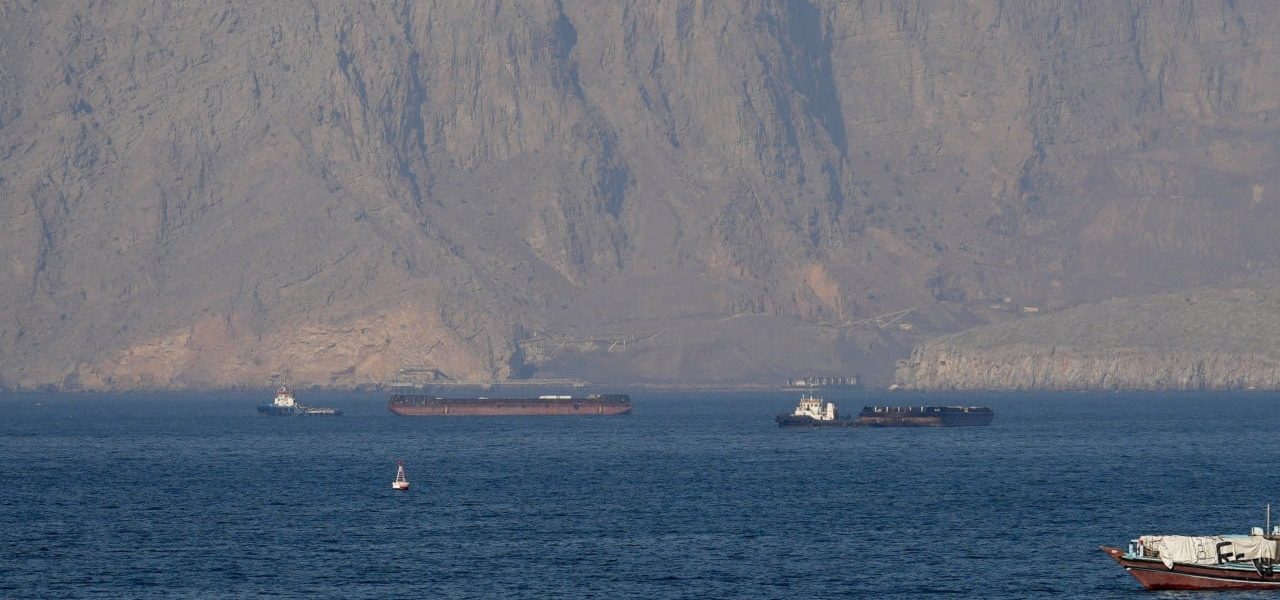
Strait of Hormuz Attack: Indian Tankers Hit, Iran’s Maritime Security Under Scrutiny
POLICY WIRE — Dubai, UAE — Recent actions by Iran, involving the targeting of two Indian-flagged oil tankers in the strategic Strait of Hormuz, have ignited significant concerns regarding...

POLICY WIRE — Dubai, UAE — Recent actions by Iran, involving the targeting of two Indian-flagged oil tankers in the strategic Strait of Hormuz, have ignited significant concerns regarding Tehran’s capacity to safeguard allied maritime traffic amidst escalating regional instability.
This specific incident, which occurred over the weekend, presents a particularly delicate situation for the Iranian government. New Delhi is notably not considered an adversary of Tehran, and the two nations continue to uphold functional diplomatic and economic relations, exemplified by recent agreements on oil procurement, facilitated by a provisional waiver from U.S. sanctions.
Industry observers and geopolitical analysts suggest that the assault on vessels identified as the Jag Arnav and the Sanmar Herald was likely an unintended consequence of broader regional tensions. The exact motivations behind the incident remain under investigation, adding to the complexity of maritime operations in the critical waterway.
Geopolitical Ramifications and Diplomatic Ties
The incident underscores the precarious nature of shipping lanes vital to global trade, highlighting how regional conflicts can unexpectedly impact international partners. Such events compel a re-evaluation of established maritime security protocols and diplomatic assurances.
India’s proactive engagement on the global stage, including significant diplomatic efforts with key economic partners, aims to stabilize its international standing and ensure economic continuity. For more on India’s evolving global relationships, read about the recent South Korea-India Summit and ‘Selfie Diplomacy’.
Global Maritime Security Concerns
The Strait of Hormuz remains a crucial choke point for a substantial portion of the world’s oil supply. Any disruption or perceived threat in this area triggers immediate international alarm, affecting global energy markets and insurance premiums for shipping.
📄 POLICY WIRE WHITEPAPER PUBLISHED: PAKISTAN'S NATIONAL SECURITY POLICY PRIORITIES
👉 READ BY CLICKING HERE“The recent attack serves as a stark reminder that even nations with cordial relations can find their commercial interests entangled in the volatile geopolitical landscape of the Middle East,” stated a maritime security expert.
The broader implications of such incidents extend to global economic stability, prompting nations to reassess trade routes and supply chain vulnerabilities. As countries navigate these complex dynamics, economic shifts continue to reshape international business, much like how German automakers are confronting market shifts and losing dominance in China’s EV landscape.