

After 80 Years: New Mexico WWII POW Cpl. Richard A. Veal Identified by DPAA
POLICY WIRE — Washington, D.C. — A soldier from New Mexico who served in World War II has finally been identified more than eight decades after his capture and death as a prisoner of war. The Defense...

POLICY WIRE — Washington, D.C. — A soldier from New Mexico who served in World War II has finally been identified more than eight decades after his capture and death as a prisoner of war.
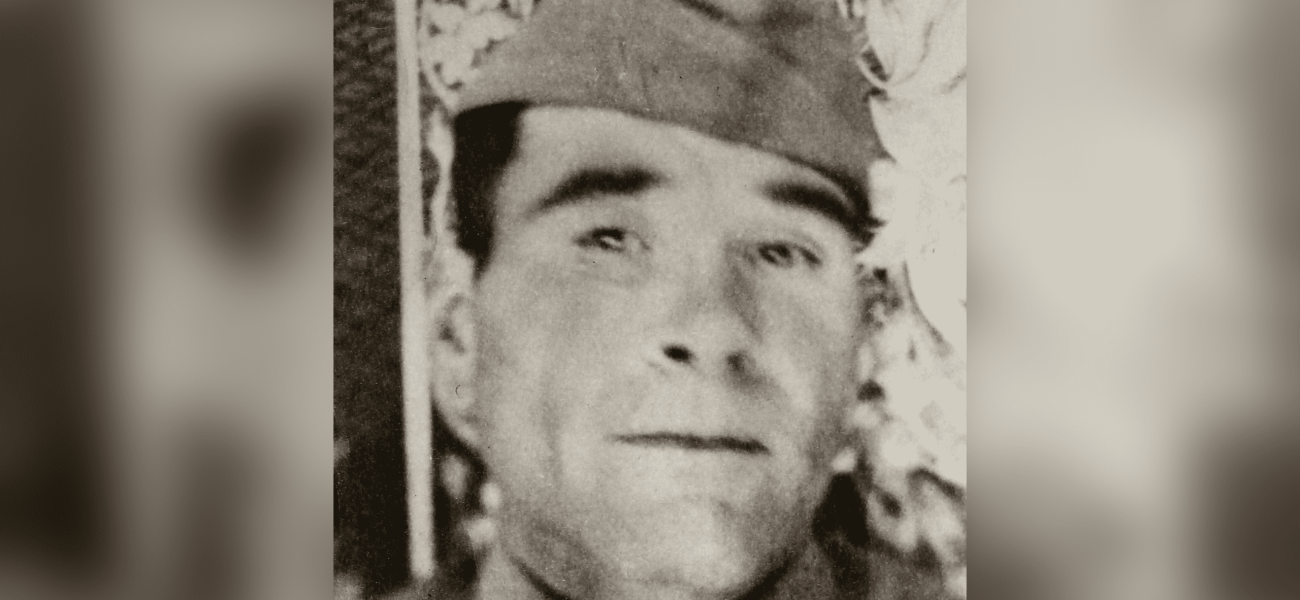
The Defense POW/MIA Accounting Agency (DPAA) announced Monday, September 29, 2025, the successful accounting of U.S. Army Corporal Richard A. Veal. His family in Albuquerque, New Mexico, received a comprehensive briefing on his identification before the public announcement.
Cpl. Veal, who was 36 years old at the time of his capture, will be laid to rest in Santa Fe this coming Friday, marking the end of a long journey for his loved ones.
The Ordeal of Bataan and Captivity
Corporal Veal was a dedicated member of Battery C, 200th Coast Artillery Regiment, when Japanese forces initiated their invasion of the Philippine Islands in December 1941. Fierce combat persisted for several months, culminating in the surrender of the Bataan Peninsula on April 9, 1942, followed by Corregidor Island on May 6, 1942.
Thousands of American and Filipino service personnel, including Veal, became prisoners and were interned in harsh POW facilities. He was officially recorded as captured following the surrender of U.S. forces on Bataan.
These prisoners endured the infamous 65-mile Bataan Death March before being confined at Cabanatuan POW Camp No. 1. Tragic records indicate that over 2,500 prisoners perished at this camp throughout the war.
Historical documents from the prison camp confirm that Cpl. Veal died on December 27, 1942, and was interred alongside other deceased captives in Common Grave 837 at the local Cabanatuan Camp Cemetery.
Read More: IDF Chief Urges Haredi Enlistment at Western Wall During Israel’s Remembrance Day
📄 POLICY WIRE WHITEPAPER PUBLISHED: PAKISTAN'S NATIONAL SECURITY POLICY PRIORITIES
👉 READ BY CLICKING HEREDecades-Long Search and Identification
After the conclusion of World War II, personnel from the American Graves Registration Service (AGRS) undertook the exhumation of remains from the Cabanatuan cemetery. They subsequently relocated these remains to a temporary U.S. military mausoleum situated near Manila.
The AGRS recovered two sets of remains from Common Grave 837; however, identification proved impossible at that time. Consequently, these remains were classified as unidentifiable and buried as “Unknowns” at the Manila American Cemetery and Memorial (MACM).
A significant breakthrough occurred in December 2020, as part of the ongoing Cabanatuan Project. The DPAA exhumed the remains linked to Common Grave 837 for advanced forensic examination at their specialized laboratory. DPAA scientists employed a combination of dental and anthropological analysis, alongside compelling circumstantial evidence, to conclusively identify Corporal Richard A. Veal.
Despite his original interment as an Unknown at MACM, the American Battle Monuments Commission diligently maintained Veal’s grave for over seven decades. With his identification now complete and official, a commemorative rosette will be affixed next to Veal’s name on the Walls of the Missing at the Manila American Cemetery and Memorial in the Philippines.
Read More: Mexico City Pyramids Shooting: Canadian Tourist Killed, Six Injured in Attack