
US Supreme Court to Hear Colorado Religious Preschool Case on State Funding and LGBTQ+ Rights
POLICY WIRE — Washington, D.C., USA — The nation’s highest court has agreed to review a case brought by Catholic preschools alleging that Colorado unlawfully infringed upon their religious...

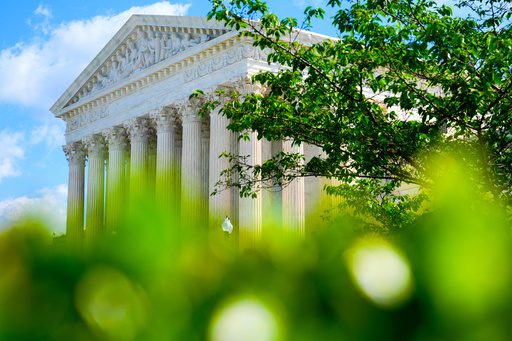
POLICY WIRE — Washington, D.C., USA — The nation’s highest court has agreed to review a case brought by Catholic preschools alleging that Colorado unlawfully infringed upon their religious liberties by disallowing their participation in a publicly funded initiative due to their specific enrollment criteria.
On Monday, the Court announced its decision to hear the appeal originating from St. Mary Catholic Parish, an institution that previously received backing from the previous Trump administration. These facilities, supported by the Archdiocese of Denver, contend that their exclusion from a taxpayer-supported universal preschool program solely on the basis of their faith-driven admissions policies, which include restrictions concerning LGBTQ+ families and children, constitutes an unconstitutional act.
Religious Freedom vs. Nondiscrimination: The Core Dispute
Conversely, the state of Colorado maintains that while religious educational facilities are welcome to enroll in the program, they must adhere to established nondiscrimination statutes. This particular initiative, established via a 2020 ballot measure, channels public funds to provide complimentary preschool education at various centers, allowing parents to choose their preferred location.
This case marks another significant religious rights dispute for the Supreme Court, which is currently composed of a conservative majority. This majority has historically shown support for claims of religious discrimination while frequently exhibiting a more critical stance on LGBTQ+ rights.
Read More: Supreme Court Upholds Massachusetts School Gender Identity Policy, Declines Review
Implications for Landmark Precedent
A key aspect of this impending legal challenge involves the Court potentially limiting the scope of the pivotal 1990 ruling, *Employment Division v. Smith*. This landmark decision addressed the ceremonial use of peyote, a cactus containing the hallucinogenic compound mescaline.
Authored by the esteemed conservative Justice Antonin Scalia, that prior opinion stipulated that religious practices do not inherently grant exemptions from generally applicable legal frameworks. The justices previously rejected efforts by the complaining schools, alongside a Catholic family in Colorado, to outright overturn the *Smith* precedent. Arguments for this critical case are scheduled to commence in the upcoming fall term, potentially reshaping the legal landscape for religious institutions and state-funded programs.